Feeling overwhelmed by clutter at home? I’ve been there. You know, when you can’t find a single clear surface to rest your coffee mug. minimalist home design comes into play.
Who doesn’t crave a space that feels open, clean, and calming? It’s not just about aesthetics; it’s about creating a sanctuary. But let’s be real: minimalism isn’t just tossing out everything you own.
It’s about intentional choices.
Does it spark joy or just dust?
I’ve dived deep into this topic, consulting designers and home experts to bring you practical takeaways. We’ll explore how to balance functionality with simplicity. There’s a science to it, and I’ll guide you through it.
Expect tips on integrating smart home tech without the clutter, and routines that promote wellness. Stick with me, and by the end, you’ll know how to transform your living space into a haven of tranquility. Ready for a change?
Let’s get started.
Beyond Minimalism: The True Essence of Simple Home Decor
What does “simple” actually mean in home decor? It’s not just about stripping things down to the bare bones. Minimalism can feel like you’re living in an art gallery (cold and sparse).
Simple decor, on the other hand, is all about comfort and intentionality. It’s warm. It’s lived-in.
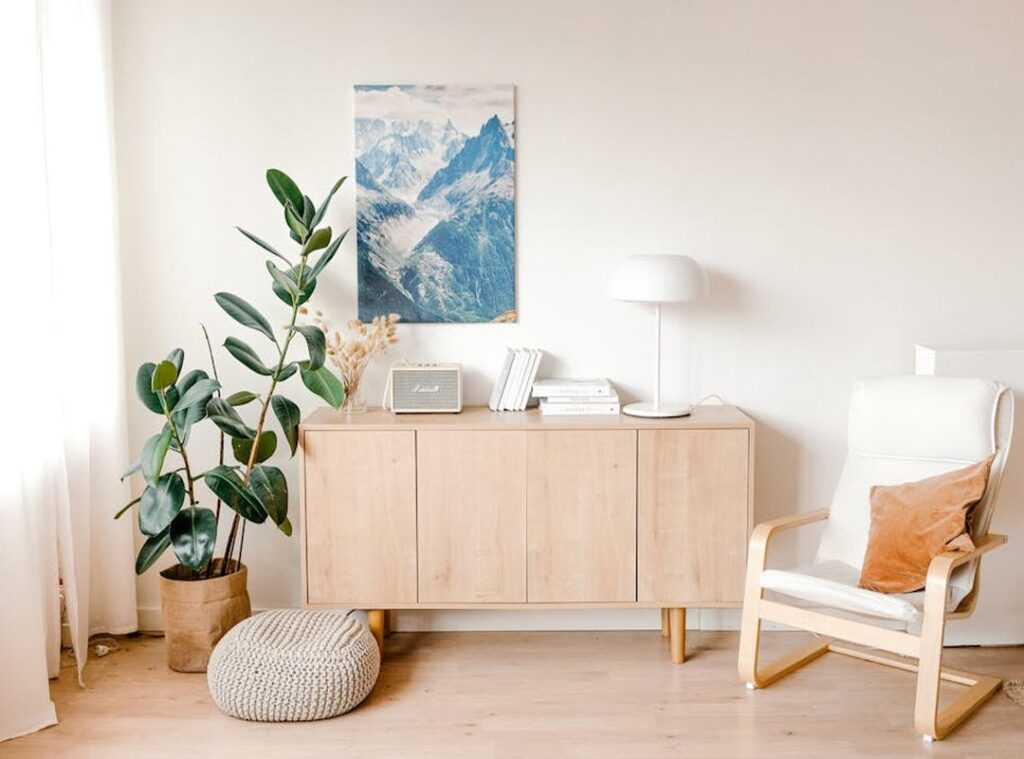
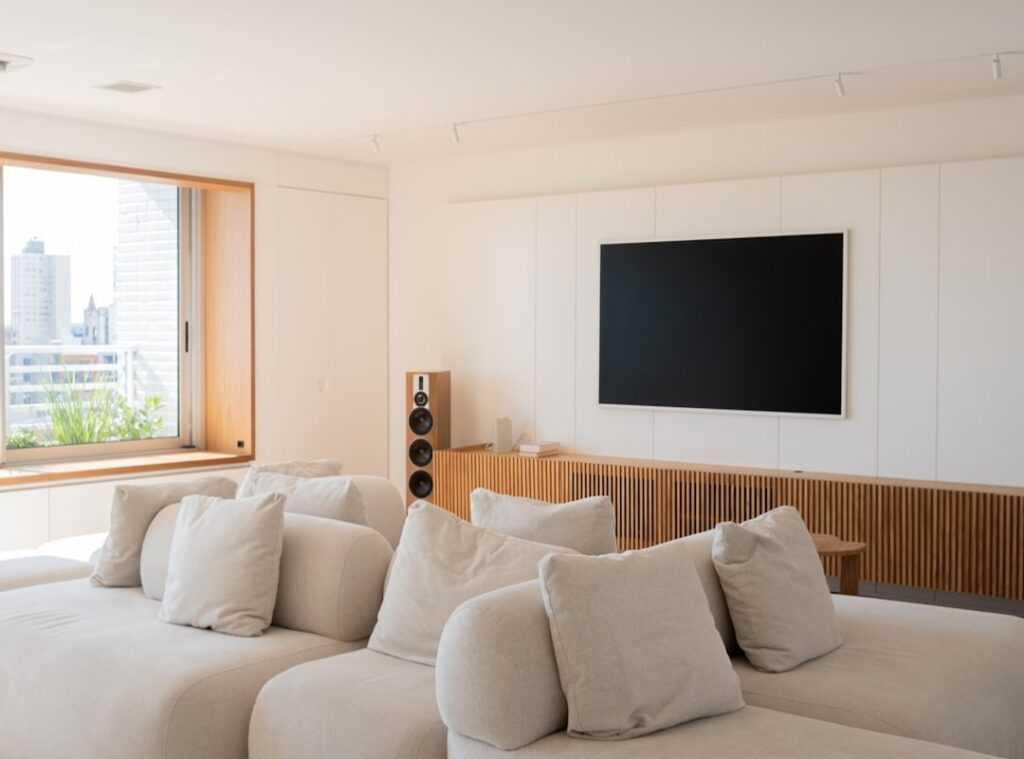
Let’s start with color. A cohesive palette is important. Stick to neutral bases like whites, grays, and beiges, then add a couple of accent colors.
This creates harmony without overwhelming the senses.
Texture plays a starring role too. Natural materials like wood, linen, wool, and ceramic bring warmth and interest. They add layers without adding clutter.
This is where simple style shines: it feels cozy, not chaotic.
Surfaces should be uncluttered. Keep countertops and tables clear, decorated with a few meaningful items. It’s about quality, not quantity.
And don’t forget functionality. Furniture should serve a purpose, blending beauty with utility. Each piece should have a reason for being there.
For those thinking about blending this style with safety, check out home security basics every owner. Because a simple home should feel secure too.
In essence, simple home decor is more than just minimalist home design. It’s about creating spaces that are both inviting and functional.
The Four Pillars of Effortless Simplicity
Ever feel like your home is one giant episode of “Hoarders”? Yeah, me too. Pillar 1: Declutter with Purpose. It’s not about tossing everything out like a bad ’90s sitcom. Instead, think “functional decluttering.” If it doesn’t serve a clear purpose or spark joy (hey, Marie Kondo fans), it’s out.
Here’s a trick: adopt the “one in, one out” rule. Buy a new lamp? Out goes the old one.
Keeps things in check.
Next, let’s talk light. Pillar 2: Embrace Natural Light. Forget heavy drapes. Sheer curtains let that glorious sunshine in. Mirrors opposite windows?
Game changer. And, for heaven’s sake, keep window sills clear. It’s like having an Instagram filter for your whole space (instant) warmth and openness.
I bet even the best minimalist interior designers on Architectural Digest would approve.
Now, onto colors. Pillar 3: Build a Thoughtful Color Scheme. The 60-30-10 rule is your cheat sheet. Sixty percent main color, thirty secondary, and ten for those pops of accent. Think of it like crafting a wardrobe (neutral) base, some coordinating layers, and a splash of personality.
Finally, Pillar 4: Prioritize Quality Over Quantity. Invest in timeless pieces. Skip the cheap, trendy stuff. A solid oak table beats a flimsy particleboard one anytime.
It’s how minimalist home design stays classy, not chaotic.
It’s the difference between a classic film and the latest cheesy blockbuster. Trust me, quality never goes out of style.
Simple Decor Principles: Create Spaces You Love
When I first started with minimalist home design, I was overwhelmed. So many rules, right? But it doesn’t have to be complicated.
Let’s break it down room by room.
The Living Room: Ever walked into a room and just knew where to sit? That’s the goal here. A comfortable sofa is key. Pair it with a textured rug and simple wall art. But here’s the trick. Hidden storage. Ottomans with storage are lifesavers. You can toss in everything from blankets to remote controls, so the space stays tidy.
The Bedroom: This should feel like a hug . Layered, neutral bedding in natural fabrics like linen or cotton can make your bed a sanctuary. Pro tip: keep nightstands minimal. A lamp and a book. Maybe some flowers if you’re fancy. That’s it. Less clutter means more calm.
The Kitchen: It’s all about clear countertops. Attractive canisters can hide the packaging mess and bring some style. Use vertical space for storage. Trust me, your surfaces will thank you. I’ve even started learning biophilic design concepts. It adds a natural touch inside while saving surface space.
Mistakes? I’ve made plenty. Like thinking more storage means more stuff.
It doesn’t. Keep it simple, keep it real. Minimalism isn’t about emptiness; it’s about clarity.
So, which room will you tackle first?
The Modern Touch: Smart Tech’s Simple Elegance
Let’s face it, minimalist home design is all about simplicity. But technology? Often the opposite.
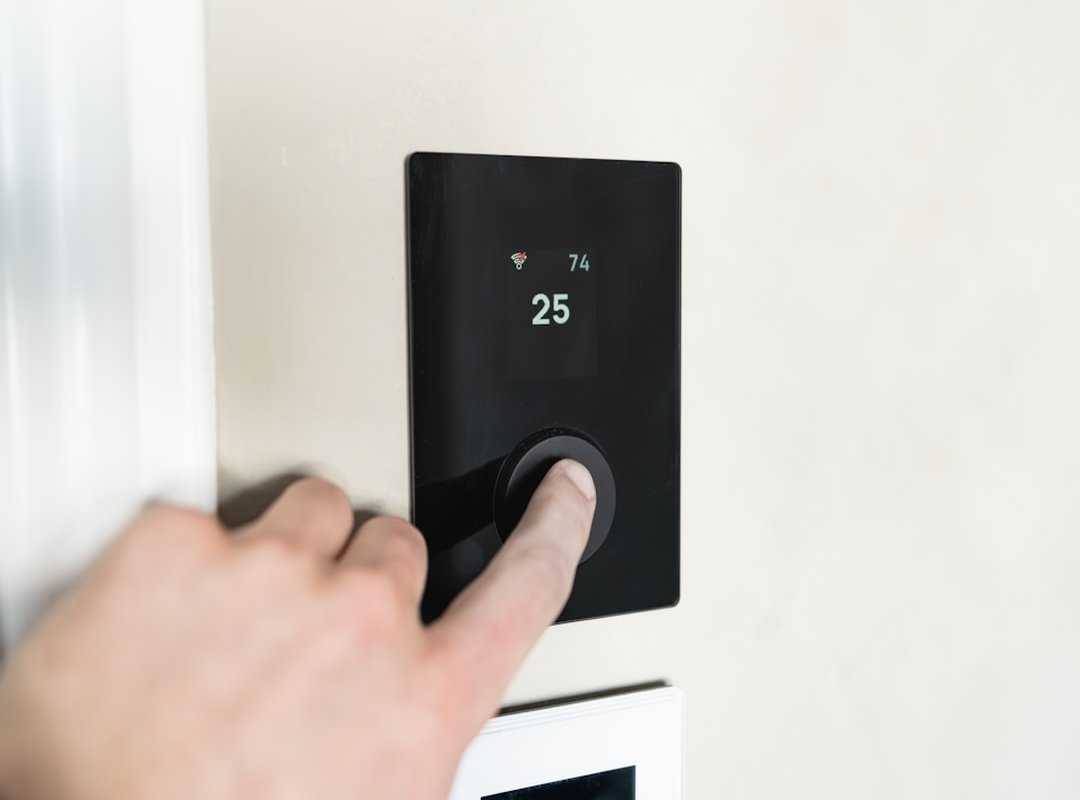
Yet, it doesn’t have to be. Take smart lighting, like Philips Hue. It can replace all those lamps cluttering your space.
Just a voice command and you’re setting a mood. No more fiddling with switches or crowding your room with fixtures.
Ever thought your nightstand could use less mess? Enter smart speakers and displays. Devices like the Google Nest Hub aren’t just speakers.
They’re clocks, photo frames, and news sources too. One gadget, less clutter. Your nightstand looks like you didn’t just wake up in a tornado.
And don’t get me started on automated blinds. No more tangled cords or clunky rods. They slide up and down on cue, maximizing natural light effortlessly.
Who knew you could have such control without lifting a finger? It’s like magic. But real.
Pro tip: Don’t underestimate the power of invisibility. The less you see, the more you enjoy. Tech can blend into your decor, not disrupt it.
That’s the real beauty of integrating smart tech into your home. Simplicity meets sophistication. Who’d have thought tech could be the new minimalist’s best friend?
From Decor to Wellness: Simple Homes, Calm Minds
Ever notice how a cluttered room can make you feel overwhelmed? It’s like your brain is competing with the mess. A minimalist home design changes that.
By choosing simplicity, you reduce stress and decision fatigue. Fewer items mean fewer choices, less cleaning, and more peace. This isn’t just about aesthetics; it’s about living better.
Imagine waking up in a space that doesn’t scream chaos. Your mind follows suit, embracing tranquility. This style isn’t a trend.
It’s a lifestyle that connects deeply with wellness. You live intentionally, and every item has a purpose.
So, why not try it? Create a home that doesn’t just look good but feels good too. Your well-being might just thank you.
Transform Your Space with Minimalist Design
Feeling overwhelmed by the chaos at home? You’re not alone. But here’s the truth: the key to a peaceful sanctuary lies in embracing minimalist home design.
By honing in on intentionality, natural elements, and functionality, you create a space that nourishes your well-being. Focus on one room and one pillar. Declutter your kitchen counters, for example.
Start small but think big. This journey isn’t just about aesthetics. It’s about transforming your living space into a haven.
Ready to take control? Dive into our guide, and start building your serene environment today. Your simpler home awaits.
 Valyssa Esthova writes the kind of wellness and home living routines content that people actually send to each other. Not because it's flashy or controversial, but because it's the sort of thing where you read it and immediately think of three people who need to see it. Valyssa has a talent for identifying the questions that a lot of people have but haven't quite figured out how to articulate yet — and then answering them properly.
They covers a lot of ground: Wellness and Home Living Routines, Home Organization Hacks, Current Highlights, and plenty of adjacent territory that doesn't always get treated with the same seriousness. The consistency across all of it is a certain kind of respect for the reader. Valyssa doesn't assume people are stupid, and they doesn't assume they know everything either. They writes for someone who is genuinely trying to figure something out — because that's usually who's actually reading. That assumption shapes everything from how they structures an explanation to how much background they includes before getting to the point.
Beyond the practical stuff, there's something in Valyssa's writing that reflects a real investment in the subject — not performed enthusiasm, but the kind of sustained interest that produces insight over time. They has been paying attention to wellness and home living routines long enough that they notices things a more casual observer would miss. That depth shows up in the work in ways that are hard to fake.