
Creating a home that supports your well-being, productivity, and peace of mind isn’t just a trend—it’s a necessity. If you’re searching for practical ways to refresh your space, build sustainable wellness routines, or integrate smarter organization systems, this guide is designed with you in mind. We break down the core home concepts that actually make a difference, from simple decluttering strategies to seamless smart home upgrades and the science-backed benefits of indoor plants for wellness.
Many homeowners feel overwhelmed by conflicting advice and endless product recommendations. That’s why this article focuses on practical, research-informed insights and real-world solutions that are easy to implement. We’ve analyzed proven home organization methods, consulted credible wellness research, and explored emerging smart home innovations to ensure every recommendation is purposeful and effective.
By the end, you’ll have clear, actionable steps to create a healthier, more organized, and thoughtfully connected living space.
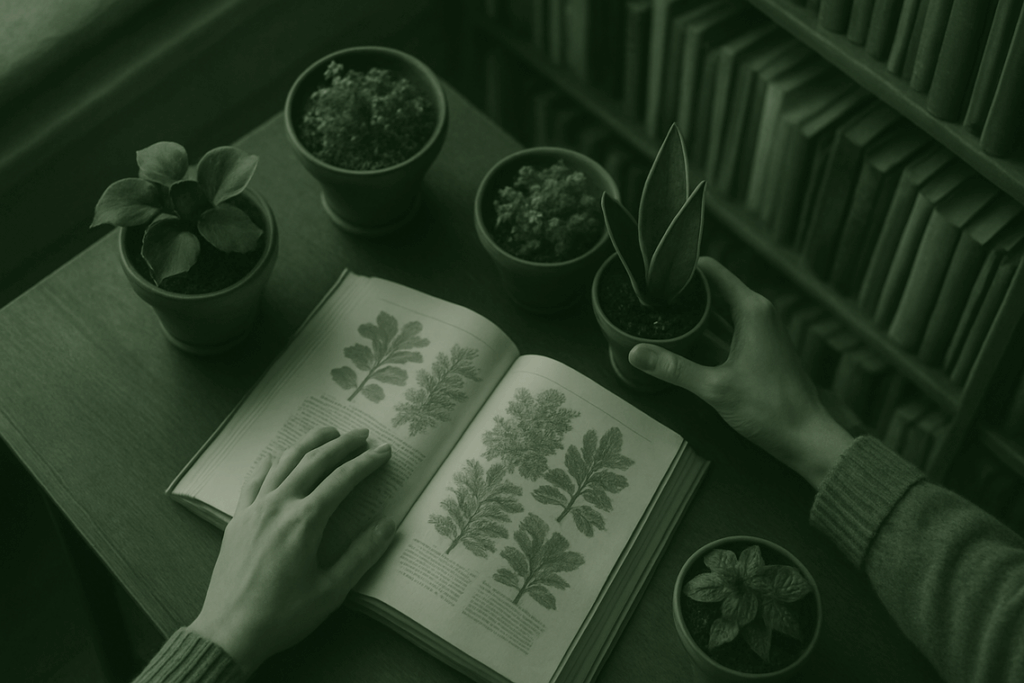
Breathe easier and think clearer by inviting nature inside. Modern rooms can feel sterile; plants restore balance. Science shows houseplants may reduce stress and improve perceived air quality (NASA Clean Air Study, 1989). Try this: start with a low-maintenance snake plant, place it near indirect light, and water every two weeks. Group three pots at varying heights for visual depth (yes, it’s instant hygge). Use indoor plants for wellness by creating a small “green corner” beside your desk to lower daily anxiety. Pro tip: set a calendar reminder for watering. Small steps, real calm. Watch new leaves signal progress daily.
Purify Your Air, Sharpen Your Mind
Let’s start with what you can’t see. Many homes contain volatile organic compounds (VOCs)—a technical term for gases released from everyday items like paint, pressed-wood furniture, and cleaning sprays. Common VOCs include formaldehyde (often found in adhesives and flooring) and benzene (present in some plastics and detergents). In simple terms, these chemicals evaporate into your air and linger there (yes, even after the “new furniture smell” fades). Over time, exposure may irritate your eyes, throat, or lungs (EPA).
So how do plants help? Through their leaves and roots, plants absorb airborne pollutants and break them down into less harmful substances. This process was notably highlighted in NASA’s Clean Air Study, which showed certain houseplants could reduce indoor air pollutants in controlled environments. In other words, plants act like living air filters—quietly working in the background.
For example, Snake Plants are effective against formaldehyde, Spider Plants help reduce carbon monoxide and benzene, and Peace Lilies target ammonia and formaldehyde. These are beginner-friendly and widely available.
Cleaner air doesn’t just feel fresher—it supports sharper thinking. Research links improved indoor air quality to better concentration and productivity (Harvard T.H. Chan School of Public Health). That’s why many people incorporate indoor plants for wellness in home offices.
Additionally, plants release moisture through transpiration—the natural process of water vapor exiting their leaves—helping ease dry air and reduce dust. Clearer air, clearer mind.
A Natural Mood Booster for Stress and Anxiety
The Science of Calm (Biophilia)
First, let’s define biophilia—the idea that humans have an innate tendency to seek connections with nature. Researchers suggest that even brief exposure to greenery can lower cortisol (the body’s primary stress hormone) and reduce blood pressure (Ulrich, 1984; Lee et al., 2015). In practical terms, that means a simple glance at a leafy plant can signal your nervous system to relax. Some skeptics argue that a houseplant can’t possibly compete with clinical treatments for anxiety. Fair point. Plants aren’t a replacement for therapy—but they are a powerful, evidence-backed complement (and far more affordable than a weekend spa retreat).
Mindful Plant Care Routines
Meanwhile, watering, pruning, and checking leaves for new growth function as active meditation—a practice that anchors attention to the present moment. This routine offers structure, sensory engagement, and visible progress. Pro tip: schedule plant care at the same time each week to build consistency. Over time, these small rituals create a steady rhythm that supports emotional regulation.
Creating a Restorative Sanctuary
Design matters. A cluster of plants near a reading chair or bathtub can soften harsh lines, absorb sound, and subtly increase humidity—features that make a space feel restorative. Using indoor plants for wellness works best when you group varying leaf shapes and heights to mimic natural landscapes (think less showroom, more secret garden).
Combating Mental Fatigue
Finally, Attention Restoration Theory suggests natural forms help replenish cognitive energy after intense focus (Kaplan & Kaplan, 1989). So instead of scrolling, try gazing at greenery—or pair it with evening wind down rituals for better sleep quality for a layered reset.
A Practical Guide to Choosing Your Green Companions
Before you bring home that lush fiddle-leaf fig you saw on Instagram (we’ve all been tempted), pause. First, assess your environment. Light is the make-or-break factor for plant survival. Low light means rooms with small windows or north-facing exposure. Medium light gets steady but indirect sun. Bright indirect light? Think near a sunny window, but not in the harsh beam. In my opinion, most “black thumbs” are really just light mismatches.
Now, if you want a stress-free start, I’d go with a low-maintenance starter pack. The ZZ Plant thrives in low light and is extremely drought-tolerant—perfect if you forget watering (no judgment). Pothos handles medium light, grows quickly, and literally droops when thirsty. Drama, but helpful. The Cast Iron Plant tolerates low light and irregular watering; it’s nearly indestructible. And the Snake Plant? Low to bright indirect light, minimal water, and famously resilient.
Placement matters more than people think. A Snake Plant in the bedroom may support overnight oxygen production, according to NASA Clean Air Study findings (1989). A Pothos on a high shelf creates a waterfall of green. A small succulent on your desk becomes a calming focal point—one simple way to use indoor plants for wellness.
Finally, make care easy. Self-watering pots, moisture meters, or simple phone reminders remove guesswork. Pro tip: consistency beats enthusiasm every time.
Your Home, A Thriving Ecosystem
Think about what you want your home to feel like. Calm. Clear. Restorative. Not just a place to sleep, but a space that actively supports your well-being.
Here’s the good news: it’s simpler than you think.
Plants act as natural air purifiers (NASA research highlights certain species for removing indoor pollutants), gentle stress reducers (studies show interaction with plants can lower cortisol levels), and quiet focus enhancers for work or study sessions. In short, they help you BREATHE, THINK, and RESET.
Many people assume creating a healthy home requires expensive renovations or high-tech gadgets. Others argue that one or two plants can’t possibly make a measurable difference. And yes, greenery won’t magically solve poor ventilation or chronic stress. But it’s a practical, affordable starting point that shifts your environment in a positive direction.
You don’t need a jungle.
- One well-placed snake plant in the bedroom
- A pothos near your desk
- A peace lily in the living room
That single step matters. Use indoor plants for wellness as a foundation, not a finishing touch.
Ready to begin? Revisit the practical guide above, choose one plant that fits your light and lifestyle, and let your home evolve into a LIVING ECOSYSTEM that nurtures you back.
By creating a serene space filled with indoor plants, you not only boost your mood and air quality but also lay the groundwork for a more organized environment that complements your wellness plan, much like the Closet Organization Systems That Actually Work to declutter your life.
Bring Calm, Clarity, and Balance Into Your Home
You came here looking for simple, practical ways to make your home feel healthier, calmer, and more organized. Now you have the strategies to do exactly that — from smarter layouts to sustainable habits and the power of indoor plants for wellness to transform both your space and your state of mind.
A cluttered, disconnected home can quietly drain your energy every day. But with intentional organization, supportive routines, and thoughtful design choices, your space can start working for you instead of against you.
Now it’s time to take action. Choose one room. Add greenery. Reset one routine. Implement one smart upgrade. Small changes create real momentum.
If you’re ready to create a home that supports your well-being instead of stressing you out, explore more of our proven home and wellness insights today. Join thousands of readers who trust our guidance to simplify their spaces and elevate their everyday living. Start transforming your home now.
 Susan Andersonickova has opinions about current highlights. Informed ones, backed by real experience — but opinions nonetheless, and they doesn't try to disguise them as neutral observation. They thinks a lot of what gets written about Current Highlights, Core Home Concepts and Essentials, Home Organization Hacks is either too cautious to be useful or too confident to be credible, and they's work tends to sit deliberately in the space between those two failure modes.
Reading Susan's pieces, you get the sense of someone who has thought about this stuff seriously and arrived at actual conclusions — not just collected a range of perspectives and declined to pick one. That can be uncomfortable when they lands on something you disagree with. It's also why the writing is worth engaging with. Susan isn't interested in telling people what they want to hear. They is interested in telling them what they actually thinks, with enough reasoning behind it that you can push back if you want to. That kind of intellectual honesty is rarer than it should be.
What Susan is best at is the moment when a familiar topic reveals something unexpected — when the conventional wisdom turns out to be slightly off, or when a small shift in framing changes everything. They finds those moments consistently, which is why they's work tends to generate real discussion rather than just passive agreement.
Susan Andersonickova has opinions about current highlights. Informed ones, backed by real experience — but opinions nonetheless, and they doesn't try to disguise them as neutral observation. They thinks a lot of what gets written about Current Highlights, Core Home Concepts and Essentials, Home Organization Hacks is either too cautious to be useful or too confident to be credible, and they's work tends to sit deliberately in the space between those two failure modes.
Reading Susan's pieces, you get the sense of someone who has thought about this stuff seriously and arrived at actual conclusions — not just collected a range of perspectives and declined to pick one. That can be uncomfortable when they lands on something you disagree with. It's also why the writing is worth engaging with. Susan isn't interested in telling people what they want to hear. They is interested in telling them what they actually thinks, with enough reasoning behind it that you can push back if you want to. That kind of intellectual honesty is rarer than it should be.
What Susan is best at is the moment when a familiar topic reveals something unexpected — when the conventional wisdom turns out to be slightly off, or when a small shift in framing changes everything. They finds those moments consistently, which is why they's work tends to generate real discussion rather than just passive agreement.