
Creating a secure living space shouldn’t feel overwhelming. With so many gadgets and systems on the market, it’s hard to tell which products are truly necessary and which are just clever marketing. This guide simplifies the process by focusing only on home safety essentials that form the foundation of a protected, well-prepared household. Drawing from years of hands-on testing and real-world home system integration, we take a practical, layered approach to safety. Below, you’ll find a carefully curated list of must-have products—organized by function—so you can safeguard your home and loved ones confidently, effectively, and without overspending.
The Unseen Guardians: Environmental Hazard Protection
Before smart locks and video doorbells, start with the threats you can’t see. Environmental hazards are silent—and that’s precisely why they’re deadly. According to the CDC, over 400 Americans die annually from unintentional carbon monoxide poisoning (CDC). Yet some homeowners still treat detectors as optional upgrades.
Let’s challenge that. Dual-sensor smoke and carbon monoxide detectors aren’t “nice to have”—they’re non-negotiable. Ionization sensors detect fast-flaming fires, while photoelectric sensors respond better to slow, smoldering ones (think: an overheated wire inside a wall). A dual-sensor CO combo unit covers both fire types and invisible gas leaks. Install them on every level and near sleeping areas. Skipping one floor to save a few dollars? Risky math.
Fire extinguishers matter just as much. An ABC-rated model handles Class A (ordinary combustibles), Class B (flammable liquids), and Class C (electrical) fires. Keep one in the kitchen, garage, and workshop. And yes—learn how to use it before you need it (PASS: Pull, Aim, Squeeze, Sweep).
Radon test kits are often dismissed as overkill. They shouldn’t be. Radon is a leading cause of lung cancer among non-smokers (EPA). Basements and ground-floor rooms are especially vulnerable.
If you’re serious about home safety essentials, start here—not with gadgets, but with guardians.
The Digital Perimeter: Smart Security Essentials
A locked door used to be enough. Not anymore. Today’s digital perimeter is about PROACTIVE DETERRENCE and clear, usable evidence (because grainy footage that could be “a raccoon… or maybe a person?” doesn’t help anyone).
Video Doorbells: Your First Line of Defense
Video doorbells aren’t just for greeting guests in sweatpants. They act as visible deterrents—research from the University of North Carolina at Charlotte found that 60% of convicted burglars said security cameras influenced their target selection (UNC Charlotte, 2012).
Key features to prioritize:
- Motion detection zones that reduce false alerts
- 1080p or higher resolution for identifiable footage
- Two-way audio for real-time interaction
Competitors often focus on convenience. What’s overlooked is delivery chain-of-custody: recorded drop-offs reduce disputes and package theft claims. Pro tip: angle the camera slightly downward to capture faces and parcels together in-frame.
Outdoor Security Cameras: Coverage Is Strategy
Placement matters more than quantity. Focus on entry points, garages, and blind spots created by fencing or landscaping. Wired cameras offer continuous power and reliability. Battery-powered options provide flexible placement—ideal for renters—but require maintenance discipline.
Look for:
- WEATHER-RESISTANT housing (IP65 or higher)
- Infrared or color night vision
- Cloud and local storage redundancy
Many brands skip discussing overlapping fields of view. Creating layered visibility eliminates gaps intruders exploit.
Smart Locks: Reinventing Access Control
Smart locks replace physical keys with encrypted credentials. Benefits include temporary codes for cleaners or guests, activity logs, and auto-lock features that eliminate the “did I lock the door?” spiral.
Critics argue smart locks can be hacked. Fair point. But modern models use AES-128 or higher encryption—the same standard used in online banking (NIST guidelines). Pairing them with two-factor authentication dramatically reduces risk.
When integrated thoughtfully, these tools move beyond gadgets. They become coordinated home safety essentials that deter, document, and defend—before a threat becomes a headline.
Beyond Break-Ins: Products for Everyday Emergencies
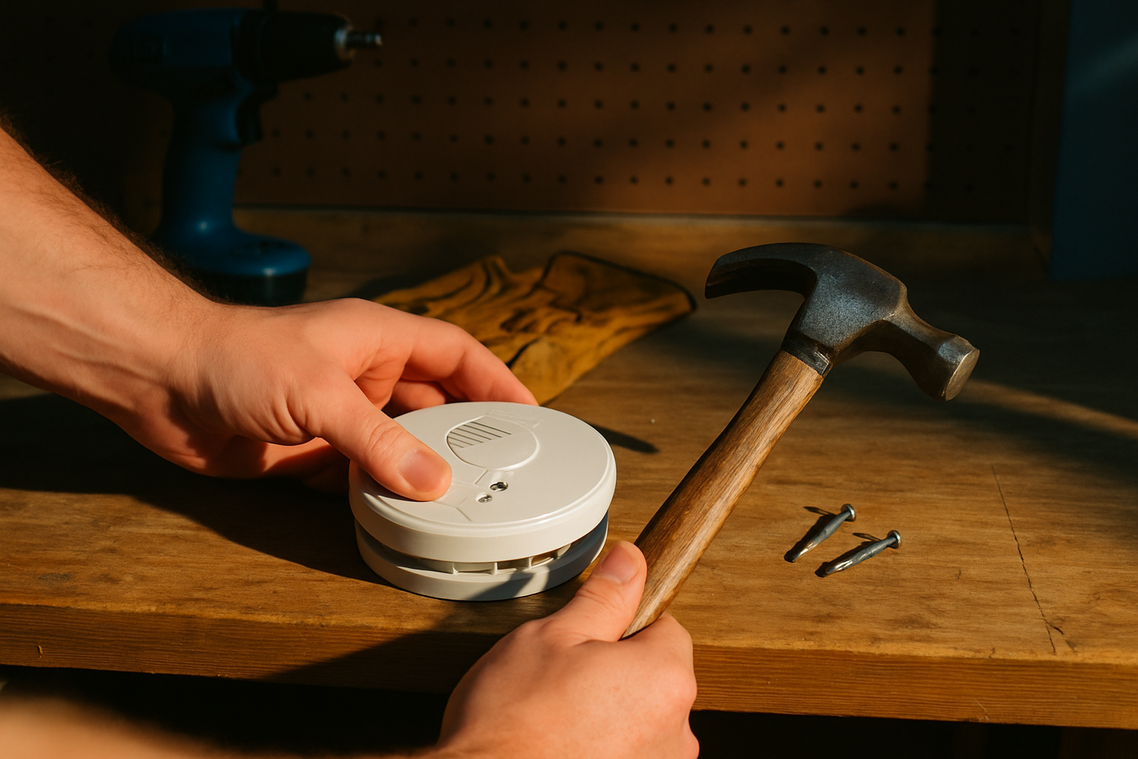
When people think about home safety, they picture alarms and cameras. Fair. But real preparedness goes further. It’s about health, water damage, and staying connected when the lights go out. In other words, true home safety essentials cover the everyday “what ifs” (because life rarely sends a calendar invite).
A Well-Stocked First-Aid Kit
Think of this as an organizational hack for wellness. A proper kit goes beyond cartoon bandages. Stock:
- Antiseptic wipes (to reduce infection risk; CDC stresses proper wound cleaning)
- Sterile gauze pads
- Medical tape
- Pain relievers like acetaminophen or ibuprofen
- Personal prescription medications
Some argue a quick pharmacy run works just fine. Until it’s 11 p.m. or roads are iced over. Prepared beats panicked every time.
Water Leak and Freeze Detectors
These small smart devices sit quietly under sinks, near water heaters, or in basements. If moisture or freezing temps are detected, they send phone alerts. Considering that water damage is one of the most common home insurance claims (Insurance Information Institute), early detection can mean thousands saved.
| Device | Ideal Placement | Why It Matters |
|---|---|---|
| Leak Detector | Under sinks |
Catches slow drips early |
| Freeze Sensor | Near pipes | Prevents burst pipes |
Emergency Weather Radio & Power Bank
During outages, information is power—literally. A hand-crank or solar-powered radio keeps you updated when Wi-Fi fails. Pair it with a reliable power bank to charge essentials.
You might wonder, what’s next? Start by reviewing your layout and even your must have furniture pieces for functional living spaces to ensure clear emergency access paths. Preparedness isn’t dramatic. It’s practical (and quietly empowering).
Putting It All Together: A Layered Safety Strategy
A secure home isn’t a fantasy reserved for gated communities or high-tech mansions. It’s achievable—and surprisingly straightforward—when you follow a layered plan.
The real issue isn’t just crime or accidents. It’s the nagging feeling that something could go wrong and you wouldn’t be ready. That uncertainty fades when you build protection step by step.
Start with environmental basics: sturdy locks, trimmed hedges, motion lights. These small upgrades reduce risk immediately (burglars prefer easy targets, according to the U.S. Department of Justice).
Next, create a smart perimeter. Install doorbell cameras, window sensors, or a monitored alarm system. Think of it as your home’s early warning radar.
Finally, strengthen your emergency readiness. Keep first-aid kits stocked, test smoke alarms monthly, and review evacuation plans. These home safety essentials form your backup layer.
Recommendation: Do a simple home audit this weekend. Pick one category—replace smoke detector batteries or order a first-aid kit—and take action. Small steps compound into real peace of mind.
Make Your Home Safer and Smarter Starting Today
You came here looking for clarity on how to create a safer, more organized, and smarter living space—and now you have the roadmap to do it. From practical upgrades to daily wellness routines, you understand how small, intentional changes can transform your environment and protect what matters most.
Ignoring home safety essentials can leave you vulnerable to preventable risks, unnecessary stress, and costly setbacks. But when you take proactive steps, you create a home that supports your peace of mind instead of disrupting it.
Now it’s time to act. Walk through your home, identify one safety gap, and fix it today. Then build from there. Thousands of readers rely on our proven tips and trusted guidance to simplify their spaces and strengthen their homes—so don’t wait.
Start upgrading your home safety essentials now and turn your space into the secure, organized haven you deserve.
 Valyssa Esthova writes the kind of wellness and home living routines content that people actually send to each other. Not because it's flashy or controversial, but because it's the sort of thing where you read it and immediately think of three people who need to see it. Valyssa has a talent for identifying the questions that a lot of people have but haven't quite figured out how to articulate yet — and then answering them properly.
They covers a lot of ground: Wellness and Home Living Routines, Home Organization Hacks, Current Highlights, and plenty of adjacent territory that doesn't always get treated with the same seriousness. The consistency across all of it is a certain kind of respect for the reader. Valyssa doesn't assume people are stupid, and they doesn't assume they know everything either. They writes for someone who is genuinely trying to figure something out — because that's usually who's actually reading. That assumption shapes everything from how they structures an explanation to how much background they includes before getting to the point.
Beyond the practical stuff, there's something in Valyssa's writing that reflects a real investment in the subject — not performed enthusiasm, but the kind of sustained interest that produces insight over time. They has been paying attention to wellness and home living routines long enough that they notices things a more casual observer would miss. That depth shows up in the work in ways that are hard to fake.
Valyssa Esthova writes the kind of wellness and home living routines content that people actually send to each other. Not because it's flashy or controversial, but because it's the sort of thing where you read it and immediately think of three people who need to see it. Valyssa has a talent for identifying the questions that a lot of people have but haven't quite figured out how to articulate yet — and then answering them properly.
They covers a lot of ground: Wellness and Home Living Routines, Home Organization Hacks, Current Highlights, and plenty of adjacent territory that doesn't always get treated with the same seriousness. The consistency across all of it is a certain kind of respect for the reader. Valyssa doesn't assume people are stupid, and they doesn't assume they know everything either. They writes for someone who is genuinely trying to figure something out — because that's usually who's actually reading. That assumption shapes everything from how they structures an explanation to how much background they includes before getting to the point.
Beyond the practical stuff, there's something in Valyssa's writing that reflects a real investment in the subject — not performed enthusiasm, but the kind of sustained interest that produces insight over time. They has been paying attention to wellness and home living routines long enough that they notices things a more casual observer would miss. That depth shows up in the work in ways that are hard to fake.