
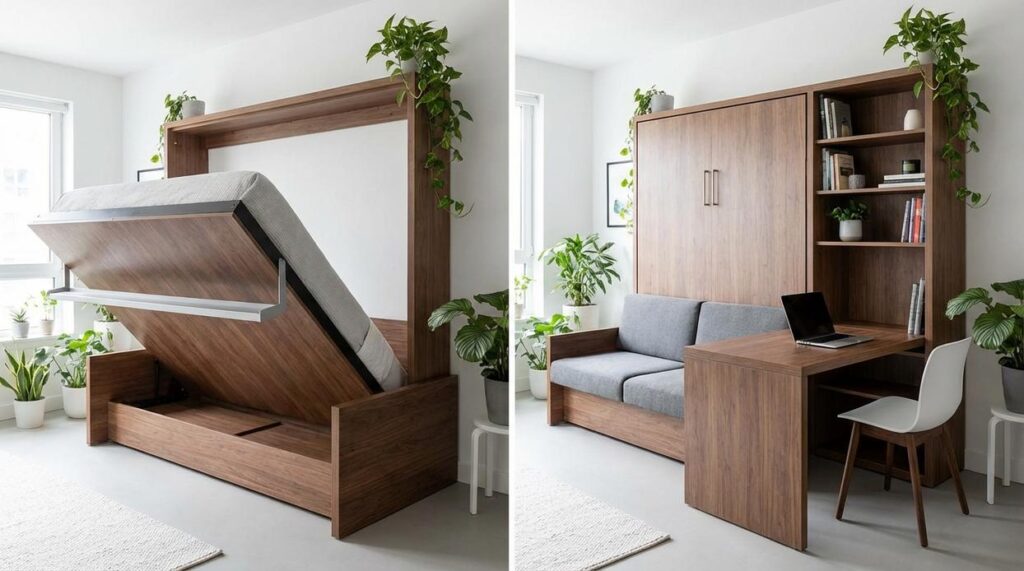
If you’re searching for practical ways to make your home feel calmer, smarter, and more functional, you’re in the right place. Modern living often means balancing limited space, busy schedules, and the desire for a home that supports your wellness—not adds to your stress. This article is designed to help you simplify your routines, optimize your layout, and make thoughtful upgrades that truly improve everyday life.
From small room storage solutions that instantly free up space to easy wellness habits you can build into your mornings, we’ll cover actionable ideas you can apply right away. We’ll also explore smart home integrations that enhance comfort and efficiency without overwhelming your setup.
Every recommendation is grounded in practical experience, research-backed wellness principles, and proven organization strategies that work in real homes. Whether you want to declutter, streamline your routines, or create a more intentional living environment, this guide will show you how to do it with clarity and confidence.
Small rooms test everyone. When square footage shrinks, clutter seems to multiply (funny how that works). This guide delivers practical, actionable small room storage solutions you can use today—no contractors, no sledgehammers. These are tested, real-world fixes that go beyond ‘buy more bins.’
What you’ll do next:
- Rethink vertical space with floating shelves and over-door racks.
- Choose double-duty furniture like storage ottomans or lift-top beds.
- Edit ruthlessly so only what you love earns a spot.
You might wonder, what about style or future upgrades? Start here. Once function improves, layering decor and smart systems becomes simple afterward.
Go Vertical: Unlocking Your Room’s Hidden Height
I once lived in a studio where the ceiling felt like wasted potential. My books were stacked in teetering piles, yet an entire wall above eye level sat empty. That’s when I learned the core principle of small spaces: think vertically. The space above your line of sight is prime real estate—often ignored, almost shy. When you shift your focus upward, the room suddenly feels bigger (like discovering a secret level in a video game).
Floor-to-ceiling shelving is the fastest way to create that effect. Tall, narrow bookcases draw the eye up, making ceilings appear higher while multiplying storage. Vertical lines create the illusion of height, a principle designers often use in compact apartments (Architectural Digest notes this visual trick frequently). Pro tip: anchor shelves securely to avoid wobble.
Wall-mounted solutions—floating shelves, fold-down desks, mounted nightstands—free up floor space and reduce visual clutter. I swapped a bulky desk for a wall-mounted version and instantly gained breathing room.
Don’t overlook over-the-door organizers. They’re not just for shoes. I use one in my pantry for spices and another in the bathroom for toiletries. These small room storage solutions turn overlooked inches into everyday function. Sometimes, the answer isn’t more space—it’s higher ambition.
Furniture That Works Harder: The Power of Dual-Purpose Pieces
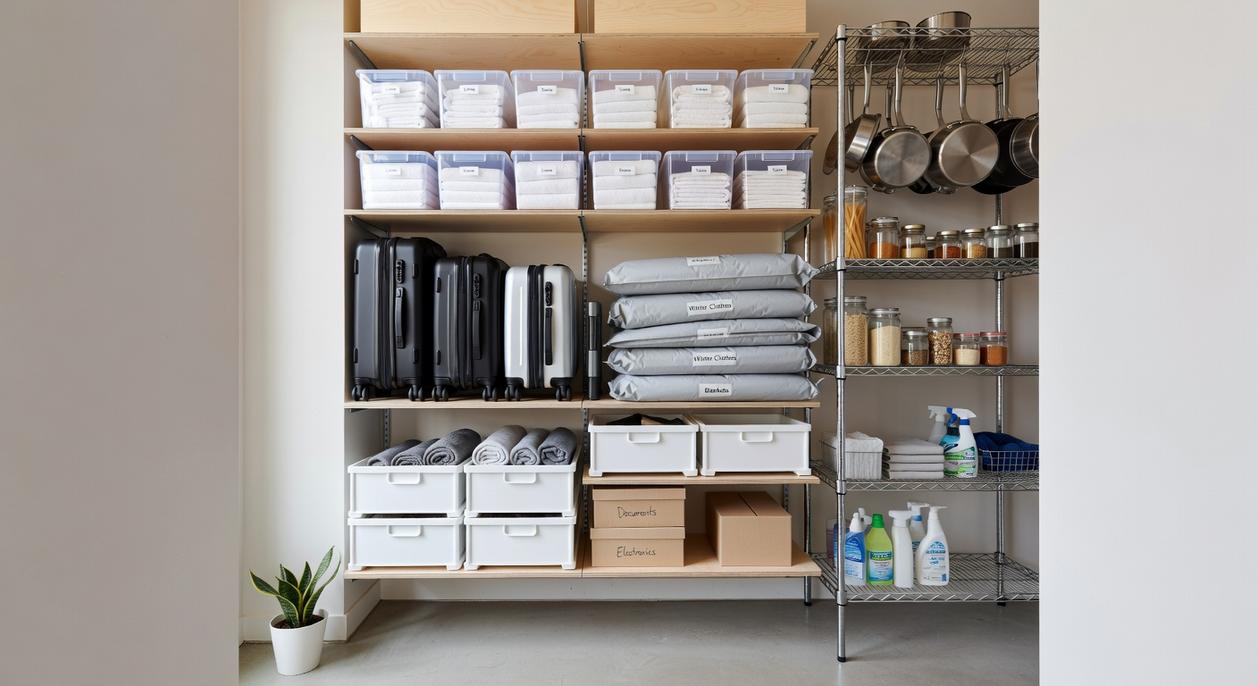
I learned the hard way that square footage is expensive. My first apartment had charm (read: barely enough room to stretch), and after tripping over a bulky coffee table one too many times, I realized my furniture needed to WORK HARDER.
That’s the multi-functional mindset: choosing pieces that serve at least two purposes. Dual-purpose furniture means one item performs multiple roles—like seating plus storage. In smaller homes, this isn’t just smart; it’s survival.
Living Room Essentials
In my living room, two pieces changed everything:
- Storage ottoman: Holds blankets, magazines, and the board games I swear I’ll host again.
- Lift-top coffee table: Functions as a desk by day and hides chargers, notebooks, and remotes by night.
Some argue traditional furniture looks more elegant. Maybe. But when your space doubles as an office, dining room, and movie theater (hello, Friday night streaming), elegance without function feels impractical.
Bedroom Game-Changers
A standard bed frame wastes prime real estate. I upgraded to one with built-in drawers, and later tried a hydraulic lift model that revealed massive under-bed storage. It easily fits seasonal clothes and extra linens. According to the National Association of Home Builders, storage remains a top priority for buyers in smaller homes (NAHB Housing Trends Report).
Pro tip: Store items in labeled bins underneath to avoid the “out of sight, out of mind” trap.
Smart Seating
Benches with hidden compartments are underrated heroes. Mine sits in the entryway, holding shoes and bags while offering a place to sit. It’s one of my favorite small room storage solutions.
Dual-purpose furniture isn’t about cramming more in. It’s about making every piece earn its place.
Reclaiming “Dead” Space: Corners, Nooks, and Crannies
Walk through your home and notice what you don’t use. Corners collecting dust. That skinny gap beside the fridge. The awkward space above cabinets. According to a 2023 National Association of Professional Organizers survey, over 54% of homeowners say they lack storage—yet many overlook usable square footage hiding in plain sight. In other words, the space is there (it’s just playing hide-and-seek).
The Magic of Corners
Corners often feel architecturally inconvenient. However, corner shelving units can turn that void into a vertical showcase for books, plants, or framed photos. A well-styled corner shelf draws the eye upward, creating the illusion of height—an approach frequently used in small-apartment staging case studies by real estate firms to boost perceived value.
Underneath and In-Between
Meanwhile, slim rolling carts fit neatly between washers and dryers or beside refrigerators. These carts maximize inches you normally ignore and are a staple in small room storage solutions because they add function without visual clutter.
- Store spices beside the fridge
- Tuck cleaning supplies by the washer
- Organize canned goods in narrow pantry gaps
Above and Beyond
Finally, use decorative baskets or boxes on top of cabinets or wardrobes. Research from UCLA’s Center on Everyday Lives of Families found visible clutter increases stress levels—so containing infrequently used items keeps them dust-free and mentally “out of sight.” For more practical tips, explore how to organize your kitchen for maximum efficiency.
Last spring, I opened my kitchen cabinet and a lid avalanche nearly crowned me. Within a weekend, I tested a few fast fixes that changed everything. In the kitchen, magnetic spice racks on the fridge freed shelves, while a simple tension rod under the sink let me hang spray bottles. I slipped slim organizers inside cabinet doors for pot lids—no more metal clatter. The bathroom followed: tiered trays doubled my counter, and adhesive wall pods tucked cotton swabs out of sight. In the closet, drawer dividers separated socks from shirts, and vacuum-seal bags shrank winter coats dramatically. Some friends argue these tricks feel temporary, preferring custom cabinetry. I disagree—smart, small room storage solutions prove that tiny tweaks can deliver instant calm (and save your head). Pro tip: label everything so the reset sticks. Organization, I’ve learned, isn’t about perfection; it’s about momentum. That first quick win sparks the rest today.
Your home doesn’t have to feel cramped to be cozy. A small space does not have to be a cluttered space. Instead, with intentional shifts, you can create breathing room and calm. Start by going vertical, using walls and doors to free up floor space. Next, choose multi-functional furniture that works twice as hard—think storage ottomans or fold-out desks. Then, reclaim “dead” zones like corners and under-bed areas with smart small room storage solutions. The benefit? More clarity, easier cleaning, and a home that supports your routine. So today, pick one room—or even one corner—and apply one tip to see results.
To maximize every inch of your small space, consider these imaginative storage solutions that not only keep your belongings tidy but also enhance your room’s aesthetics; and once you’ve created physical order, don’t forget to check out our guide on digital decluttering to tackle your home office files – for more details, check out our Digital Declutter: Organizing Your Home Office Files.
Make Every Square Foot Work Smarter
You came here looking for practical ways to make your space feel bigger, calmer, and more functional. Now you have the strategies to declutter with purpose, build smarter routines, and implement small room storage solutions that actually fit your lifestyle.
When space feels cramped, it affects everything — your focus, your mood, and even your daily productivity. The good news? You don’t need more square footage. You need smarter systems. By combining intentional organization, wellness-focused layouts, and smart home integrations, you can transform even the tightest room into a space that feels open and effortless.
Now it’s time to take action. Start with one drawer, one shelf, or one corner today. Apply these strategies consistently and watch your space — and stress levels — shift.
If you’re ready for proven, modern organization ideas trusted by thousands of home enthusiasts, explore more of our expert-backed tips and start redesigning your home with confidence. Your smarter, clutter-free space starts now.
 John Powellorins writes the kind of smart home integrations content that people actually send to each other. Not because it's flashy or controversial, but because it's the sort of thing where you read it and immediately think of three people who need to see it. John has a talent for identifying the questions that a lot of people have but haven't quite figured out how to articulate yet — and then answering them properly.
They covers a lot of ground: Smart Home Integrations, Browse and Learn, Home Organization Hacks, and plenty of adjacent territory that doesn't always get treated with the same seriousness. The consistency across all of it is a certain kind of respect for the reader. John doesn't assume people are stupid, and they doesn't assume they know everything either. They writes for someone who is genuinely trying to figure something out — because that's usually who's actually reading. That assumption shapes everything from how they structures an explanation to how much background they includes before getting to the point.
Beyond the practical stuff, there's something in John's writing that reflects a real investment in the subject — not performed enthusiasm, but the kind of sustained interest that produces insight over time. They has been paying attention to smart home integrations long enough that they notices things a more casual observer would miss. That depth shows up in the work in ways that are hard to fake.
John Powellorins writes the kind of smart home integrations content that people actually send to each other. Not because it's flashy or controversial, but because it's the sort of thing where you read it and immediately think of three people who need to see it. John has a talent for identifying the questions that a lot of people have but haven't quite figured out how to articulate yet — and then answering them properly.
They covers a lot of ground: Smart Home Integrations, Browse and Learn, Home Organization Hacks, and plenty of adjacent territory that doesn't always get treated with the same seriousness. The consistency across all of it is a certain kind of respect for the reader. John doesn't assume people are stupid, and they doesn't assume they know everything either. They writes for someone who is genuinely trying to figure something out — because that's usually who's actually reading. That assumption shapes everything from how they structures an explanation to how much background they includes before getting to the point.
Beyond the practical stuff, there's something in John's writing that reflects a real investment in the subject — not performed enthusiasm, but the kind of sustained interest that produces insight over time. They has been paying attention to smart home integrations long enough that they notices things a more casual observer would miss. That depth shows up in the work in ways that are hard to fake.