Waking up to blinding lights? It’s a nightmare. And let’s not even talk about trying to set the perfect evening vibe with static bulbs that just don’t get it.
Our lives are changing, but our lighting? Not so much. automated smart lighting flips the script. This isn’t just about fancy bulbs; it’s about systems that tune into your life.
As someone who’s spent years diving into smart home tech, I’ve seen these systems transform spaces. They’re not just gadgets; they boost wellness and security. Stick around, and I’ll show you how intelligent lighting can redefine your home experience.
Lighting: More Than Flicking a Switch
Intelligent lighting solutions are not just about buying a few smart bulbs. It’s an integrated system that focuses on automation, sensing, and adapting to your needs. Smart lighting is the toddler in this story, while intelligent lighting is the wise elder. Confused?
Let me break it down.
Think of a smart bulb as a light switch on your phone. You control it manually. Turning it on and off.
But an intelligent lighting system acts like a personal lighting assistant. It knows when you wake up, adjusts while you watch a movie, and even simulates presence when you’re away.
Now, here’s where the magic happens: sensors, scheduling, automation, and integration. These are the core concepts that make lighting “intelligent”. Sensors detect movement or changes in natural light and adjust accordingly.
Schedules let lights operate even when you’re not paying attention.
Automation is real-time adaptation. An intelligent system learns your habits (kind of like how The Jetsons predicted the future). Integration with other smart devices takes it all a step further.
You can link your lighting with voice assistants or security systems for a smooth experience.
Now, you might wonder, how does it tie into home security? Well, intelligent lighting can help mimic activity when you’re not home. Curious about more ways to boost home security?
Check out the Top Security Features Smart Home for some fresh takeaways.
Incorporating automated smart lighting doesn’t just make life easier; it makes home smarter. If you haven’t started, now’s a good time to try. After all, why just light up a room when you can transform it?
The Tangible Benefits: More Than Just Convenience
Enhanced Wellness & Productivity
Ever heard of circadian rhythm lighting? It’s a game changer. This concept mimics natural daylight, using cooler tones in the morning to kickstart your day and warmer tones in the evening to help you unwind.
Imagine waking up to a gentle sunrise in your bedroom and winding down with a cozy sunset glow. That’s not just good for your mood; it’s great for your sleep too. Your body will thank you.
Significant Energy Savings
Forget the old “LEDs save money” line. We’ve moved past that. With motion sensors, lights turn off automatically in empty rooms.
Not just that, ambient light sensors adjust the brightness when there’s enough sunlight streaming in. You’re not just saving energy; you’re automating the entire process. It’s like having your own energy-saving assistant.
Who wouldn’t want that?
Improved Home Security
Worried about home security? Automated smart lighting can help. Enter ‘Vacation Mode.’ It mimics human presence by randomly turning lights on and off.
Pair it with security cameras or door sensors, and lights will automatically flick on when there’s motion outside. It’s like your home is looking out for itself. Peace of mind?
Check.
Creating the Perfect Ambiance
Scene setting is where the magic happens. Movie night? Dim those lights to a soft glow.
Hosting a dinner party? Brighten up with warm, inviting tones. Need to focus on work?
Crisp, cool lighting is your friend. With a simple command, you can switch between these settings. It’s not just about convenience; it’s about creating the perfect atmosphere for every moment.
For more on how these benefits come together, check out automated smart lighting. It’s not just a trend; it’s a practical, everyday solution that transforms your space.
Building Your Smart Lighting System: Simplified
Ever wonder how automated smart lighting really works? Let’s break it down. It’s not as complicated as you might think.

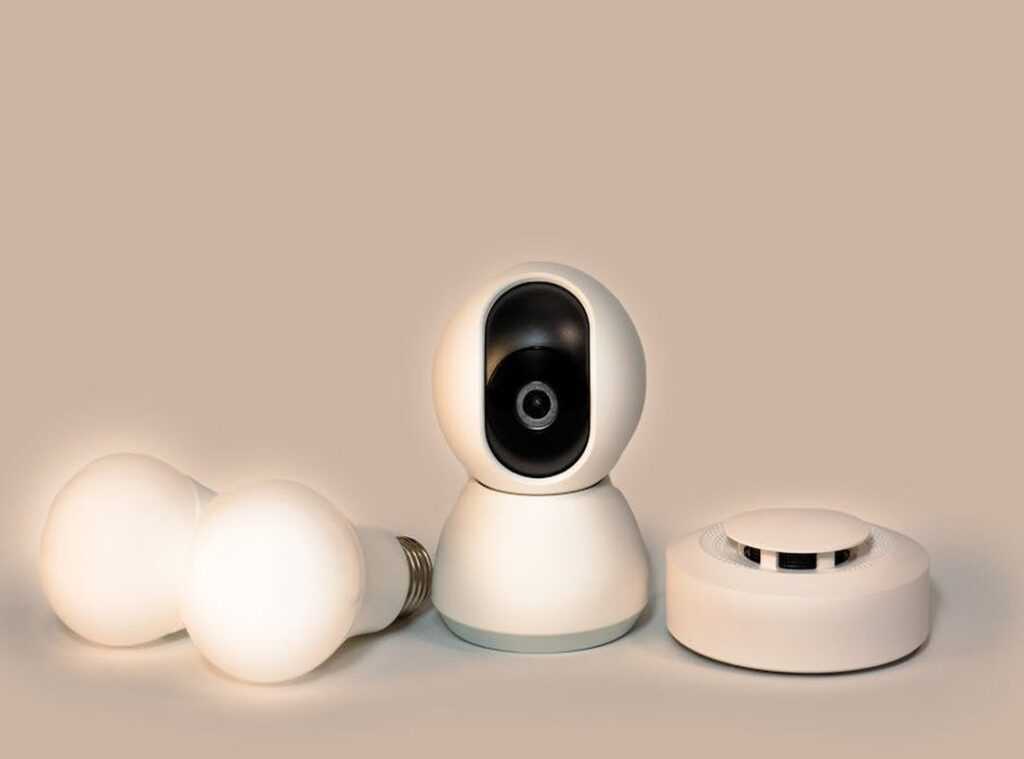
First, let’s talk about the lights themselves. You’ve got smart bulbs, LED strips, and integrated fixtures. Each has its perks.
Smart bulbs are fantastic for retrofitting existing lamps. Easy swap, right? LED strips, though, add that cool accent lighting.
Perfect for under cabinets or behind your TV. Integrated fixtures? They’re a bit more complex but offer smooth design.
But lights alone aren’t enough. You need the brains of the operation. This is where hubs and bridges come in.
Think of them as the central nervous system. They connect everything, making automation possible. Ever heard of Zigbee or Z-Wave?
They’re popular protocols that make sure all your devices talk to each other.
Now, sensors. They’re the senses of your system. Motion sensors automate lighting when you enter a room.
Control is key. Smart switches and dimmers give you physical control. But don’t forget the convenience of a smartphone app.
Contact sensors are great for closets and doors. And ambient light sensors? They adjust brightness based on natural light, saving energy.
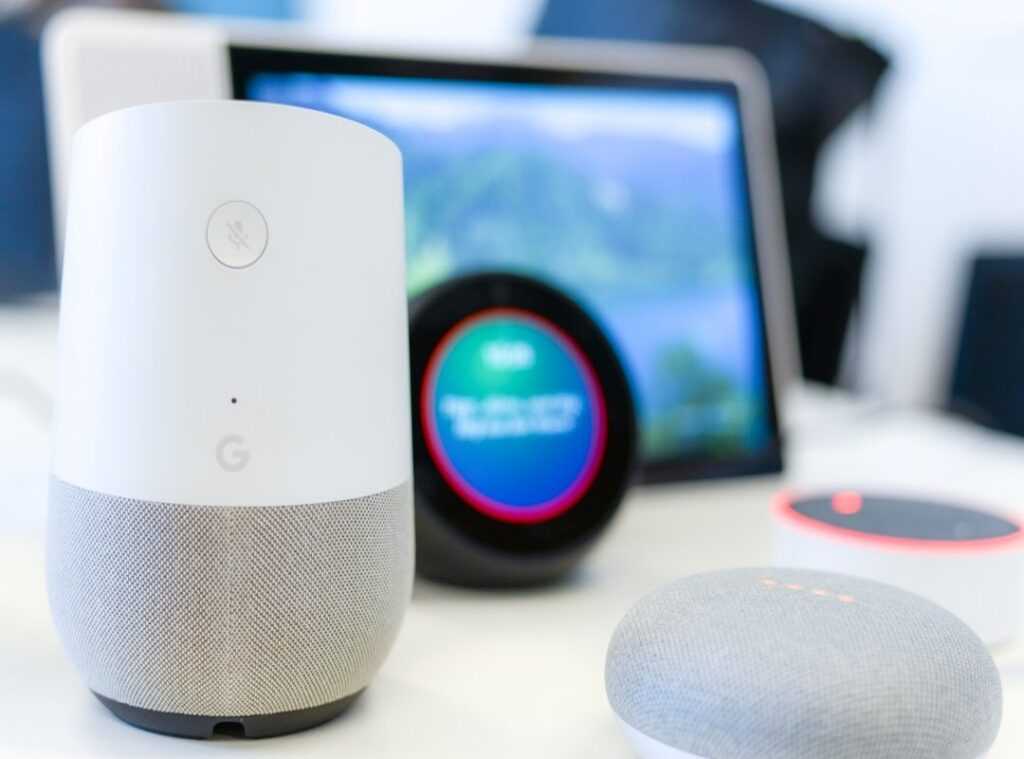
Or even better, use a voice assistant to make home life easier. Imagine controlling your lights with just your voice. How cool is that?
So, what are you waiting for? Start building your automated smart lighting system today. You’ll wonder how you ever lived without it.
Light It Up: Your Guide to Automated Smart Lighting
Wondering how to dive into automated smart lighting? Let’s start with your “why.” What’s the goal here? Are you aiming for better sleep in your bedroom or boosting security at the front door?
Maybe you want a changing living room setup (because, who doesn’t?). Pin down your primary goal to focus your investment.
Next, choose your space. Why not keep it simple and stick to one brand? Philips Hue, Lutron Caséta, or Wyze are decent options.
Staying within one space makes setup less of a headache and ensures compatibility with smart speakers like Alexa or Google Assistant. Nobody wants tech that doesn’t talk to each other.
This way, you’ll get hands-on experience and see real benefits before you go all out. It’s like testing the waters without diving straight in.
Ok, let’s get practical. Start with just one room. Pick a high-impact area like the living room or master bedroom.
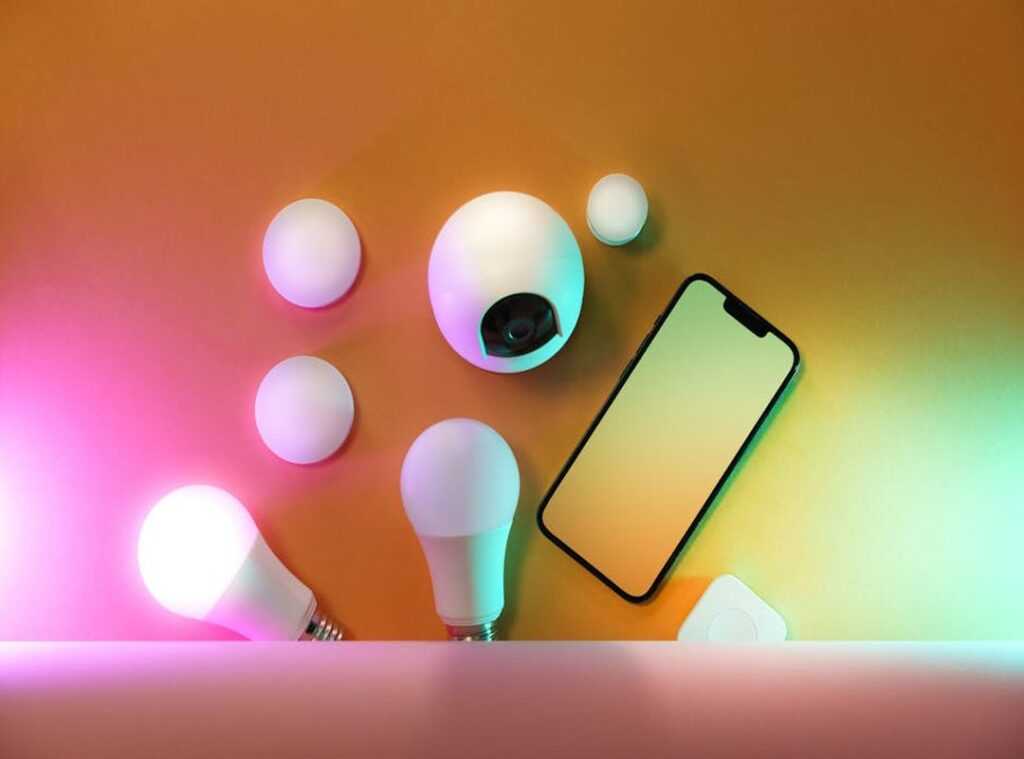
Here’s a pro tip: a “Starter Kit” might save the day. For a wellness-focused bedroom, try two color-changing bulbs, a smart dimmer switch, and a hub. These basics give you a taste of what’s possible without overwhelming you.
Remember, the aim’s to boost your space, not just to add fancy gadgets. Once you see the benefits, you can expand. It’s a smart way to integrate technology into your life seamlessly.
Need more ideas? Think about what enhances your daily routine. Automated smart lighting should feel like a natural extension of your lifestyle.
That’s the real win.
Light Up Your Life
You get it now. Stuck with outdated lighting? Not anymore.
You’ve seen how automated smart lighting transforms your space. It’s about comfort, energy efficiency, and creating the perfect mood without lifting a finger. Feeling overwhelmed?
You don’t have to be. Start small. One room.
One scene. Then watch the magic unfold. Why settle for “just okay” lighting?
It’s time for changing, smart solutions. Make your home brighter and smarter. Begin your journey into intelligent lighting today.
Don’t just light your home. Bring it to life. Plan your first smart lighting scene now.
Your future self will thank you.
 Valyssa Esthova writes the kind of wellness and home living routines content that people actually send to each other. Not because it's flashy or controversial, but because it's the sort of thing where you read it and immediately think of three people who need to see it. Valyssa has a talent for identifying the questions that a lot of people have but haven't quite figured out how to articulate yet — and then answering them properly.
They covers a lot of ground: Wellness and Home Living Routines, Home Organization Hacks, Current Highlights, and plenty of adjacent territory that doesn't always get treated with the same seriousness. The consistency across all of it is a certain kind of respect for the reader. Valyssa doesn't assume people are stupid, and they doesn't assume they know everything either. They writes for someone who is genuinely trying to figure something out — because that's usually who's actually reading. That assumption shapes everything from how they structures an explanation to how much background they includes before getting to the point.
Beyond the practical stuff, there's something in Valyssa's writing that reflects a real investment in the subject — not performed enthusiasm, but the kind of sustained interest that produces insight over time. They has been paying attention to wellness and home living routines long enough that they notices things a more casual observer would miss. That depth shows up in the work in ways that are hard to fake.
Valyssa Esthova writes the kind of wellness and home living routines content that people actually send to each other. Not because it's flashy or controversial, but because it's the sort of thing where you read it and immediately think of three people who need to see it. Valyssa has a talent for identifying the questions that a lot of people have but haven't quite figured out how to articulate yet — and then answering them properly.
They covers a lot of ground: Wellness and Home Living Routines, Home Organization Hacks, Current Highlights, and plenty of adjacent territory that doesn't always get treated with the same seriousness. The consistency across all of it is a certain kind of respect for the reader. Valyssa doesn't assume people are stupid, and they doesn't assume they know everything either. They writes for someone who is genuinely trying to figure something out — because that's usually who's actually reading. That assumption shapes everything from how they structures an explanation to how much background they includes before getting to the point.
Beyond the practical stuff, there's something in Valyssa's writing that reflects a real investment in the subject — not performed enthusiasm, but the kind of sustained interest that produces insight over time. They has been paying attention to wellness and home living routines long enough that they notices things a more casual observer would miss. That depth shows up in the work in ways that are hard to fake.