Ever look around your modern living room and think, “Is this it?” It’s all sleek and shiny, sure, but where’s the soul? We crave character, something that whispers stories from the past. Enter the world of vintage home decor.
But how do you bring in retro charm without turning your space into a museum or thrift shop chaos? That’s what we’re tackling here.
Let’s face it: combining old-school cool with modern flair can feel like a minefield. But it doesn’t have to be. We focus on core home concepts that make a space truly yours.
You’ll get practical advice on mixing retro pieces with contemporary design, creating a curated look that reflects you. By the end, you’ll have a roadmap to transform your space into a timeless haven.
Decoding the Lingo: Retro vs. Vintage vs. Antique
Ever get lost in the jargon of vintage home decor? Happens to the best of us. Let’s break it down.
Retro, vintage, antique (what’s) the difference?
Retro is about style. It’s all about imitating the past (think 1950s-1970s) but not actually being from there. Like a 1960s style armchair made yesterday.
Yep, vintage. Then there’s antique, which sounds fancy because it is. 100 years old or older. Now that’s old.
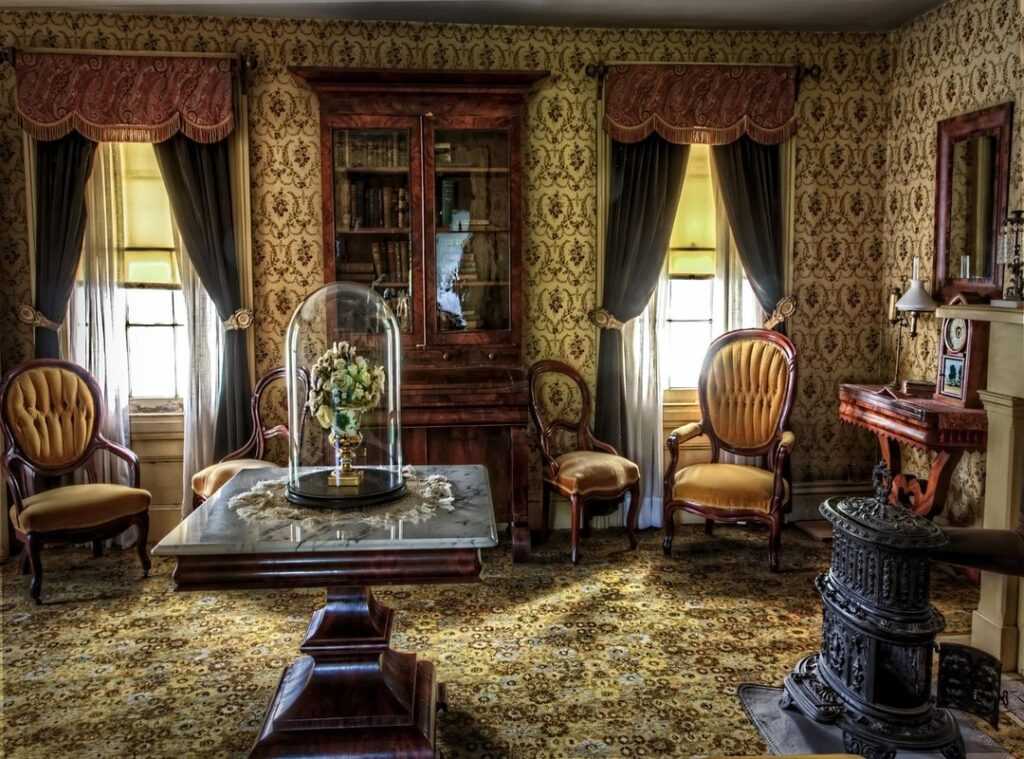
Vintage, though, is the real deal. If an item is between 20 to 99 years old, it’s vintage. That chair built in 1972?
Why does this matter? Shopping, of course! These distinctions affect price, quality, and where you shop.
A retro item might be cheaper but lacks history. Vintage offers authenticity without the antique price tag. Antiques are investment pieces, often pricier but with stories to tell.
Shopping smart means knowing what you want and where to find it. Hunting for antiques? Check estate sales and specialized shops.
For vintage, you might browse second-hand stores or auctions. Feeling retro? Hit modern retailers with a throwback vibe.
I once bought a “vintage” lamp that was just cleverly retro. Lost money and pride. Learn from me.
Need more on decor? Dive into learning biophilic design concepts. It’s a game-changer for integrating nature into your home.
A Journey Through Time: Retro Style’s Best Hits
Feeling nostalgic? Dive into the past with me. Retro style is more than just old furniture; it’s a feeling, a vibe.
And it’s all about what resonates with your soul. Let’s start with the Optimistic 50s. This era oozes post-war hope.
You see it in Atomic Age motifs, those quirky starbursts and boomerangs. Furniture mimicked nature too, with biomorphic shapes. Kidney tables come to mind.
Light-grained woods like birch paired with pastel pinks and mint greens. Ever heard of chrome finishing? It’s the cherry on top.
Move next to the Rebellious 60s. A decade where change was in the air (and in the living rooms). Pop Art and the Space Race collided, creating a burst of bold colors like avocado green and harvest gold.
Psychedelic patterns ruled the day, while modular furniture screamed future. Advances in materials brought us plastic and fiberglass (think) the iconic Panton Chair. It’s a time when homes looked like they were gearing up for a galactic adventure.
Now, the Earthy 70s. This decade swapped futuristic visions for nature’s embrace. Earth tones warmed the home, with browns, rusts, and mustard yellows.
Texture was everything: shag carpets and macramé hung around, while velvet added a plush feel. Dark woods like teak and walnut dominated. Bold geometric patterns appeared on every textile.
Thanks to this era, the home felt like a cozy retreat.
Want more inspiration? Check out some vintage home decor. It’s not just about the pieces; it’s about creating spaces that tell your story.
So which era calls to you? Each decade has its charm. Find yours and let your home reflect it.
The Art of the Mix: Retro Meets Modern
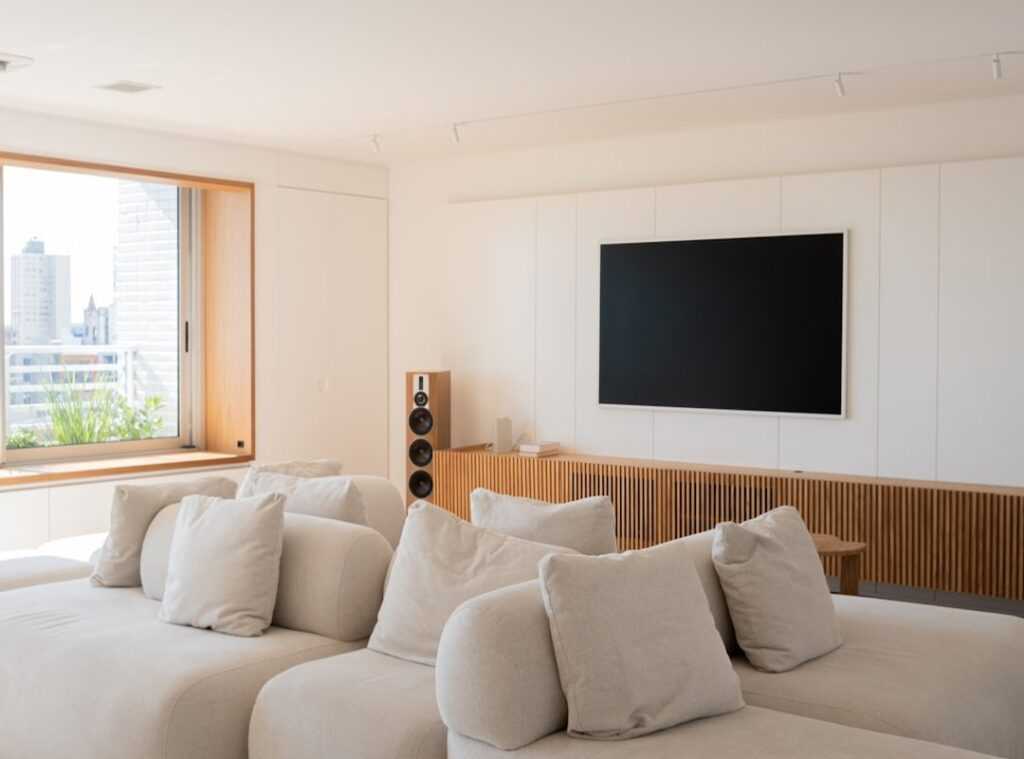
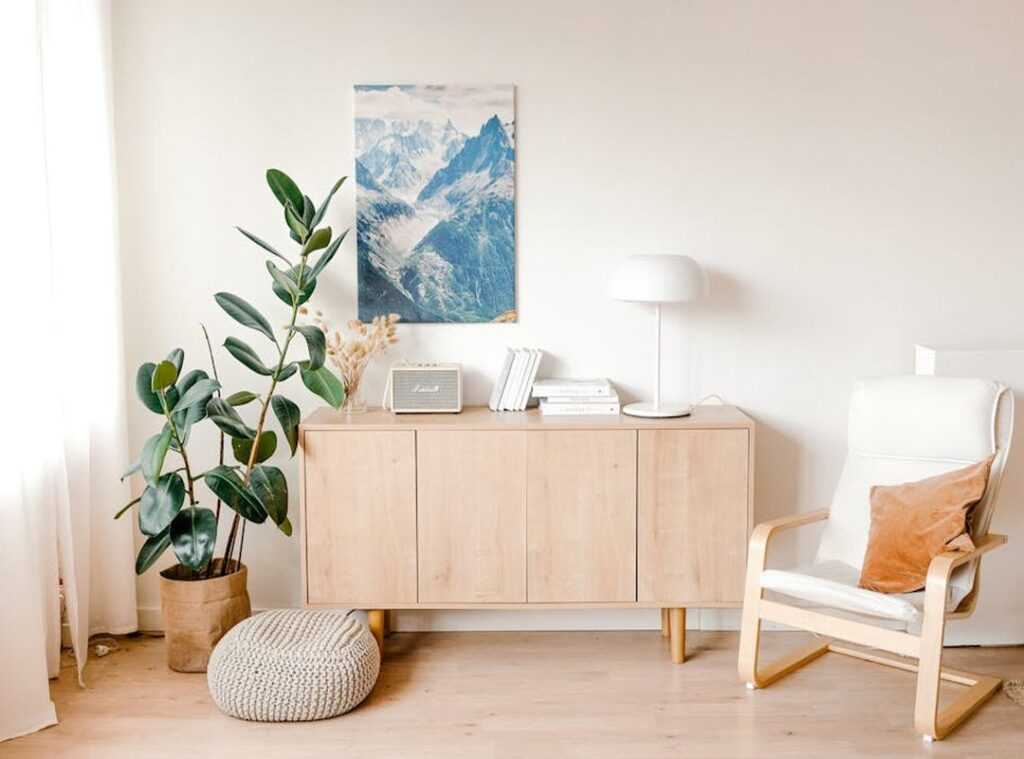
Integrating retro finds into a modern home might sound daunting, but it’s really all about balance. The 80/20 Rule is key here. Keep your room 80% modern and neutral (think walls, large sofas, flooring) and use the remaining 20% for those vintage treasures.

It’s not just achievable; it’s big.
Start with a statement piece. Whether it’s a sculpted teak credenza or a lively armchair, one significant item can anchor your space. Why scatter small, disconnected objects around when you can have a focal point that ties everything together?
Color is your best friend when bridging eras. Pick a retro color, like mustard yellow, from a vintage piece and splash it through modern pillows, art, or a throw. This trick creates cohesion without effort.
Simple, right?
Now, let’s talk materials and lines. Pair the clean lines of a modern sofa with the organic curves of a retro coffee table. Or place a warm, vintage wood cabinet against a cool, contemporary wall.
Balance is what makes this pairing work like magic.
Here’s a pro-tip. Scale matters. Avoid oversized 70s furniture in a small, modern apartment.
It’ll overwhelm the space. Instead, opt for sleeker 50s or 60s pieces. They complement modern simplicity without overpowering it.
Learn more about how this approach aligns with the benefits minimalist home design.
So, what’s the takeaway? Mixing vintage home decor with modern elements isn’t just about aesthetics. It’s about expressing who you are.
Use these guidelines, and you’ll create a space that’s stylish but uniquely yours. Feeling inspired? You should be.
Now go out there and start blending those eras like a pro. You’ll turn heads with every room you design.
Hunting for Retro Treasures: Finds You’ll Love
So you’re on the hunt for vintage home decor. Who isn’t these days? For authentic vintage finds, start with local estate sales.
Honestly, it’s like treasure hunting. Then there are flea markets where you can haggle (don’t be shy) and score hidden gems. Consignment stores are also goldmines for unique pieces.
Online, Etsy, Chairish, and 1stDibs are curated hotspots. A key tip? Look for maker’s marks.
Minor imperfections? They add character.
But maybe you’re into the retro-inspired new pieces. No shame in that. Stores like West Elm, Article, and Joybird nail that retro vibe with modern perks.
Think: cool look, no restoration drama. It’s like having your cake and eating it too (without the crumbs).
What’s better? Authentic pieces carry history. They’ve got stories, and you can’t beat that.
But the new stuff? It’s convenient and reliable. No creaky chairs or wobbly tables.
Consider your priorities.
Are you a storyteller or a convenience lover? That choice defines your hunt. It’s future thinking, really.
What will your home say about you? Whatever you decide, the hunt for the perfect piece is half the fun. So, where will your next find be?
Your Home, Your Story
Worried about your home feeling like a showroom or a cluttered antique shop? You’re not alone. Finding the sweet spot between modern and classic is easier than you think.
The magic lies in a thoughtful mix (use) the ’80/20′ rule (80% timeless, 20% trend) to guide you. Want a space that’s uniquely yours? Start small.
Pick a room, choose one statement piece you adore, and let it anchor your style. It’s the first step in crafting a home that tells your story. Need inspiration?
Explore vintage home decor solutions that reflect your personality. Ready to transform your space? Start today!
 Valyssa Esthova writes the kind of wellness and home living routines content that people actually send to each other. Not because it's flashy or controversial, but because it's the sort of thing where you read it and immediately think of three people who need to see it. Valyssa has a talent for identifying the questions that a lot of people have but haven't quite figured out how to articulate yet — and then answering them properly.
They covers a lot of ground: Wellness and Home Living Routines, Home Organization Hacks, Current Highlights, and plenty of adjacent territory that doesn't always get treated with the same seriousness. The consistency across all of it is a certain kind of respect for the reader. Valyssa doesn't assume people are stupid, and they doesn't assume they know everything either. They writes for someone who is genuinely trying to figure something out — because that's usually who's actually reading. That assumption shapes everything from how they structures an explanation to how much background they includes before getting to the point.
Beyond the practical stuff, there's something in Valyssa's writing that reflects a real investment in the subject — not performed enthusiasm, but the kind of sustained interest that produces insight over time. They has been paying attention to wellness and home living routines long enough that they notices things a more casual observer would miss. That depth shows up in the work in ways that are hard to fake.
Valyssa Esthova writes the kind of wellness and home living routines content that people actually send to each other. Not because it's flashy or controversial, but because it's the sort of thing where you read it and immediately think of three people who need to see it. Valyssa has a talent for identifying the questions that a lot of people have but haven't quite figured out how to articulate yet — and then answering them properly.
They covers a lot of ground: Wellness and Home Living Routines, Home Organization Hacks, Current Highlights, and plenty of adjacent territory that doesn't always get treated with the same seriousness. The consistency across all of it is a certain kind of respect for the reader. Valyssa doesn't assume people are stupid, and they doesn't assume they know everything either. They writes for someone who is genuinely trying to figure something out — because that's usually who's actually reading. That assumption shapes everything from how they structures an explanation to how much background they includes before getting to the point.
Beyond the practical stuff, there's something in Valyssa's writing that reflects a real investment in the subject — not performed enthusiasm, but the kind of sustained interest that produces insight over time. They has been paying attention to wellness and home living routines long enough that they notices things a more casual observer would miss. That depth shows up in the work in ways that are hard to fake.