
If you’re exploring smarter ways to protect your home, streamline daily routines, and stay connected no matter where you are, you’re in the right place. As more households embrace smart technology, connected home security cameras have quickly become one of the most impactful upgrades for modern living. But with so many options, features, and integrations available, it’s hard to know what truly matters.
This article is designed to help you cut through the noise. We’ll break down how these systems work, what features actually improve safety and convenience, and how they fit into a well-organized, wellness-focused home environment. From real-time alerts to seamless smart home integration, you’ll learn what to look for and how to make a confident choice.
Our insights are grounded in hands-on testing, in-depth product research, and careful analysis of evolving smart home trends—so you can rely on practical, up-to-date guidance that puts your home’s security and simplicity first.
Managing multiple security cameras across different apps sounds simple—until alerts start overlapping, passwords get forgotten, and footage hides in five separate dashboards. In other words, clutter creates risk. Instead of juggling disconnected tools, a unified system brings all connected home security cameras into one smart, responsive network. That means centralized control, real-time automation, and streamlined notifications. More importantly, it shifts you from passive monitoring to proactive protection. So what should you look for? Prioritize device compatibility, encrypted storage, motion intelligence, and remote access. With thoughtful planning, you’ll replace app chaos with seamless security—and finally gain genuine peace of mind.
What Does “Integrated Surveillance” Actually Mean?”
Integrated surveillance refers to a security ecosystem where cameras, motion sensors, door locks, alarms, and smart devices communicate within a single platform. Instead of operating in isolation, each component shares data and triggers coordinated responses. For example, if a motion sensor detects movement at night, lights can switch on and cameras can begin recording automatically. According to MarketsandMarkets, the global smart home security market is projected to grow significantly through 2028, largely due to demand for unified systems that improve response time and efficiency.
By contrast, non-integrated setups require juggling separate apps for a doorbell, indoor monitor, and outdoor camera (which, frankly, feels like hunting for three different TV remotes). This fragmentation can delay alerts and increase user error.
Think of it like a smart home where lights, thermostats, and speakers sync seamlessly versus controlling each device separately. Connected home security cameras amplify this harmony, making the whole system smarter—and far more effective—than its individual parts.
The Key Benefits: Why a Unified System is Superior
Centralized Control & Monitoring
First and foremost, a unified system gives you a single source of truth. Instead of juggling multiple apps, passwords, and alert settings, you manage everything from one dashboard. That means viewing live feeds, adjusting motion sensitivity, and receiving alerts in one place. In practice, this reduces response time (and frustration). Many competitors talk about convenience; however, they rarely highlight how centralized logs also improve incident review. When every device reports to one timeline, you see the full story—not fragmented clips.
Smarter Context-Aware Alerts
More importantly, integration dramatically reduces false alarms. For example, if a door sensor trips, the nearest camera can instantly record and tag the event. You immediately know whether it’s a delivery, your teenager sneaking in, or a real threat. In other words, the system verifies before you panic. While some argue standalone devices are “good enough,” they miss how connected home security cameras paired with sensors create context, not just noise.
Automated Security Routines
Additionally, automation turns security from reactive to proactive. With geofencing (a feature that uses your phone’s location), your system arms itself when you leave. If motion is detected at night, porch lights switch on automatically. For deeper resilience, consider future proofing your house with scalable automation.
Layered & Proactive Deterrence
Finally, layered deterrence sets unified systems apart. A camera detecting motion can trigger a smart speaker warning or activate a siren. Lights, sound, and recording work together—because real security isn’t one device. It’s choreography.
Must-Have Features for Your Integrated Cameras
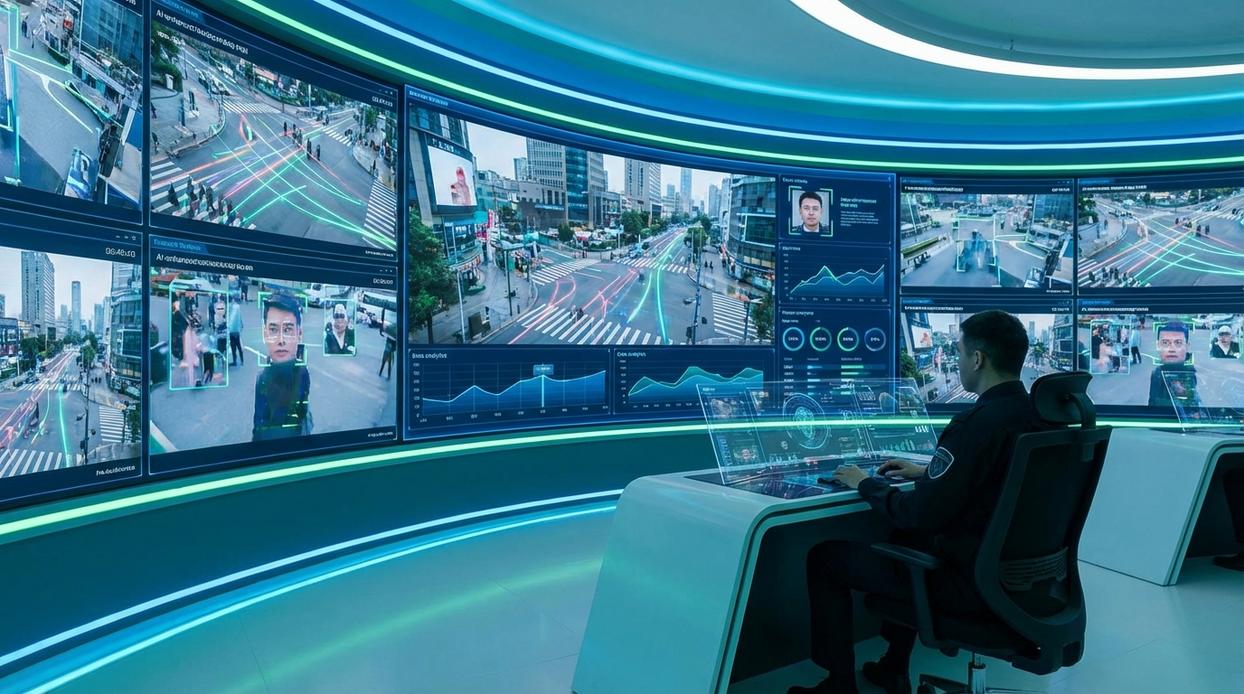
Choosing integrated cameras isn’t just about specs—it’s about how those specs perform in real life (because no one reviews footage for fun). Let’s cover what truly matters—and what competitors often gloss over.
Video Quality & Field of View
At minimum, look for 1080p resolution. If you want facial detail or readable license plates, step up to 2K or 4K. Higher resolution means more pixels (tiny dots that make up an image), which equals clearer evidence. Pair that with a wide field of view—ideally 130° or more—so you cover more space with fewer devices. Fewer cameras, fewer blind spots, fewer headaches.
Advanced Motion Detection
Basic motion detection reacts to any movement—tree branches, shadows, the neighbor’s cat. AI-powered detection uses machine learning (systems trained to recognize patterns) to differentiate between people, animals, packages, and vehicles. That means fewer false alerts and faster response times. Some argue AI is overkill, but when your phone buzzes at 2 a.m., precision matters.
Reliable Night Vision
Infrared night vision captures black-and-white footage in total darkness. Color night vision requires ambient light but delivers more identifying detail. If your porch has lighting, color is a competitive edge. If not, strong infrared is non-negotiable.
Data Storage Options
- Cloud storage: convenient, off-site backup, subscription required.
- Local storage (SD/NVR): private, no monthly fees, but vulnerable to theft.
Pro tip: hybrid systems offer redundancy.
Ecosystem Compatibility
The best connected home security cameras integrate seamlessly with Apple HomeKit, Google Home, or Amazon Alexa. Competitors mention compatibility—but rarely stress automation potential. Imagine lights activating when motion is detected or locking doors via voice command. That’s not just security. That’s strategy.
Planning Your System for Maximum Coverage and Efficiency
If you ask me, most security mistakes happen before a single camera is installed. Placement is everything. Start with key entry points: front and back doors, ground-floor windows, and gates. If someone can enter there, you should see it—no exceptions.
Then think about high-traffic areas:
- Driveways (vehicle activity doesn’t lie)
- Porches for package deliveries
- Backyards that feel “out of sight, out of mind”
I’m a big believer in connected home security cameras because visibility only works if footage is easy to access. Still, wired systems tend to be more reliable, while wireless models win for simpler installation. Choose based on your tolerance for maintenance (and crawling through attics).
Finally, design with privacy in mind. Create privacy zones to block a neighbor’s window, and use indoor cameras with physical shutters. Security should feel empowering—not invasive.
Ultimately, building a smarter, more secure home comes down to integration. You can juggle separate apps, mismatched alerts, and overlapping subscriptions (the digital equivalent of carrying five remote controls), or you can rely on a single, intelligent system. In an A vs. B scenario, scattered devices create noise; an integrated setup creates clarity. That’s where connected home security cameras shine: they unify monitoring, automation, and storage under one ecosystem. In other words, complexity drops while control rises. Pro tip: map entry points, blind spots, and daily routines first, then choose a platform that works with your existing smart devices today.
Bring Smarter Security Into Your Home Today
You started this guide looking for a smarter, simpler way to protect your home without adding stress to your daily routine. Now you understand how connected home security cameras fit seamlessly into modern living—offering real-time monitoring, mobile access, smart alerts, and total peace of mind.
The real pain point isn’t just security—it’s uncertainty. Not knowing what’s happening when you’re away. Wondering if a package is safe. Hoping your family and property are protected. Smart, connected solutions eliminate that doubt and give you control from anywhere.
The next step is simple: choose a system that integrates effortlessly with your existing smart home setup and start monitoring your space in real time. Thousands of homeowners are already upgrading to smarter protection and experiencing fewer worries and greater confidence every day.
Don’t wait for a security scare to take action. Upgrade to connected home security cameras now and turn your home into the safe, streamlined space it was meant to be.