If you’ve been searching for practical ways to organize kitchen efficiently, you’re likely tired of cluttered counters, overstuffed drawers, and never finding what you need when you need it. A well-organized kitchen isn’t just about aesthetics—it saves time, reduces stress, and makes daily routines smoother.
This article is designed to give you clear, actionable strategies that simplify your space without requiring a full renovation. From smart storage solutions and layout optimization to small habit shifts that maintain order long-term, you’ll find guidance that fits real homes and real schedules.
Our approach is rooted in proven organization principles, smart home integration insights, and practical wellness-focused routines that prioritize function over perfection. Instead of quick fixes that don’t last, you’ll learn sustainable systems that make cooking, cleaning, and hosting feel effortless.
If your goal is a kitchen that works with you—not against you—you’re in the right place.
From Cluttered to Calm: A New Approach to Kitchen Flow
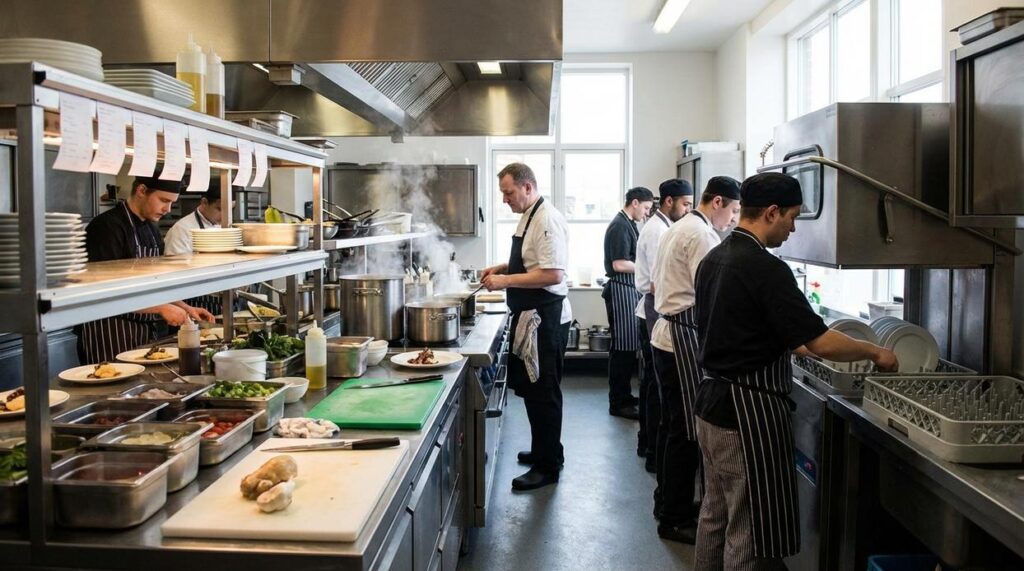
A chaotic kitchen wastes minutes and patience. In contrast, a flow-focused layout turns cooking into a smooth routine. Think A vs. B: knives buried in random drawers versus tools stored near prep space. One creates friction; the other builds momentum.
To organize kitchen efficiently, group items by task—prep, cook, clean. Then, place each zone within easy reach of where it’s used.
Skeptics argue aesthetics matter more than systems, yet ergonomics—designing for natural movement—proves otherwise. Clear counters reduce cognitive load, meaning less stress and faster meals. Ultimately, shifts create calm.
Step 1: Establish Your Kitchen’s Core Zones
Before you label a single jar or buy matching baskets, pause. First, try the “Everything Out” Method. Yes, everything. Empty the cabinets. Clear the drawers. Pull it all onto the counter and confront your collection of mystery lids and duplicate spatulas (we all have them).
At first, it may look like chaos. That’s normal. In fact, it’s the point. You can’t organize what you can’t see. By laying it all out, you’ll quickly spot what you actually use—and what’s just been camping in your cabinets rent-free.
Why Zoning Changes Everything
Now, here’s where it gets strategic. The foundation of an efficient kitchen is zoning—creating designated areas for specific tasks. Think of it like a movie set: every actor has a mark to hit. Your blender shouldn’t be wandering into the silverware’s spotlight.
To organize kitchen efficiently, map out these five essential zones:
- Consumables Zone – Your pantry and refrigerator. All food lives here.
- Non-Consumables Zone – Plates, glasses, silverware. The dining MVPs.
- Cleaning Zone – Around the sink and dishwasher. Soap, sponges, trash.
- Preparation Zone – Your main counter space for chopping and mixing.
- Cooking Zone – The stove and oven area, plus nearby pots and pans.
As a result, everything has a home. And when everything has a home, cleanup stops feeling like a scavenger hunt (and more like a victory lap).
Step 2: The “Work Triangle” and Item Placement

The kitchen work triangle is a classic design principle that connects the sink, stove, and refrigerator—the three busiest spots in your kitchen. The idea is simple: minimize unnecessary steps. In older Boston brownstones or compact city apartments, this layout can be the difference between smooth cooking and constant sidestepping. The National Kitchen & Bath Association (NKBA) recommends keeping each leg of the triangle between 4 and 9 feet for optimal flow (NKBA Guidelines).
Some critics argue the work triangle is outdated, especially in open-concept homes with oversized islands. And yes, modern kitchens often include multiple cooks and extra appliances. But even in a sprawling suburban layout, you still rely on those three anchors daily. The triangle isn’t rigid doctrine—it’s ergonomic common sense (your feet will thank you).
Mapping Items to Zones
To organize kitchen efficiently, assign items to functional zones based on use—not habit.
- Cooking Zone: Store pots, pans, oils, and spices within arm’s reach of the stove. Vertical dividers are ideal for pan lids and baking sheets (no more clattering avalanches at 6 p.m.).
- Preparation Zone: Keep cutting boards, mixing bowls, and knives near your primary prep counter. In smaller galley kitchens, a slim drawer insert can transform tight quarters.
- Cleaning Zone: Place soaps, sponges, and trash or recycling bins under or beside the sink for quick access.
Some people prefer grouping items by category instead of zone. That works in theory. In practice, zoning reduces friction during real-life cooking—especially on busy weeknights when efficiency beats aesthetics.
Step 3: Optimizing Cabinets and Drawers
I once spent 15 frantic minutes searching for a spatula while pancakes burned (not my finest culinary moment). That was the day I realized cabinet placement isn’t random—it’s strategy.
Prime Real Estate Rule means storing everyday items—plates, favorite mugs, silverware—between waist and shoulder height. This “golden zone” reduces bending and reaching, which ergonomics experts say minimizes strain and speeds up routine tasks (American Chiropractic Association). In real life, it just means fewer morning grumbles.
Some people argue everything should be hidden away for a minimalist look. I get it. Open space feels calm. But if you have to drag a chair over just to grab coffee filters, aesthetics are costing you time.
Grouping “Like with Like” is exactly what it sounds like: baking tools together, coffee and tea supplies in one zone, food storage containers corralled in their own drawer. When you organize kitchen efficiently this way, you create “task zones” (a term professional organizers use for grouping by activity).
Drawer Organization Hacks like adjustable dividers prevent the dreaded junk-drawer avalanche. Pro tip: measure drawer interiors before buying inserts—most returns happen because of wishful sizing.
For cabinets, try turntables (often called Lazy Susans) in corners, tiered shelves for spices, and clear stackable bins for pantry goods. Visibility matters—studies show we’re more likely to use what we can see (Journal of Consumer Research).
If you love smart storage, you might also explore closet organization systems that actually work.
Think Up, Not Out
Advanced order is about using space creatively. Install wall-mounted magnetic knife strips, pot racks, or under-cabinet hooks to reclaim crowded drawers (yes, gravity is your friend). Create a single “landing strip” for groceries and mail so clutter stops at the door instead of spreading. Add under-cabinet lighting or a compact smart display to keep recipes off your prep zone and VISIBLE.
Prediction & Speculation: As homes get smaller and tech gets smarter, kitchens will become HYPER-MODULAR, with adjustable racks and AI-guided layouts that help you organize kitchen efficiently before mess even starts. Plan for flexibility.
Your Blueprint for an Effortless Kitchen
You now have a complete, zone-based system to organize kitchen efficiently and keep it running smoothly. Instead of hunting for spatulas or clearing counters before every meal, you move through clear, logical work zones. That shift eliminates daily frustration and makes cleanup almost automatic.
Some argue organizing by item type is enough. However, workflow-based placement mirrors how you actually cook, which is why it sticks.
So, start small: choose one zone this weekend, reset it, and test the difference. Then, adjust what feels off. Pro tip: label shelves temporarily to reinforce new habits. Today.
Bring Calm and Function Back to Your Kitchen
You started this guide because your kitchen felt cluttered, chaotic, or simply harder to use than it should be. Now you have practical strategies, smarter storage ideas, and workflow adjustments that help you organize kitchen efficiently without overcomplicating your space.
The real benefit isn’t just a cleaner countertop — it’s less daily stress, faster meal prep, and a home that feels lighter and more in control. When your kitchen works with you instead of against you, everything from busy mornings to family dinners becomes easier.
Don’t let clutter slowly creep back in. Take 15 minutes today to reset one drawer, one cabinet, or one surface using the systems you just learned. Small, consistent actions create lasting order.
If you’re ready for even simpler routines, smarter home ideas, and proven organization strategies trusted by thousands of readers, explore more of our practical guides now and start transforming your home one space at a time.