
If you’re looking to create a home that feels calmer, more efficient, and easier to manage, you’re in the right place. Modern living isn’t just about aesthetics — it’s about building smart systems, supportive routines, and organized spaces that genuinely improve your day-to-day life.
This article explores practical ways to upgrade your home environment, from simple wellness-focused habits to seamless tech integrations that work quietly in the background. Whether you’re curious about optimizing your routines, decluttering effectively, or understanding the real smart lighting benefits that enhance mood and productivity, you’ll find actionable insights you can implement right away.
Our guidance is grounded in hands-on testing, practical application, and research-backed home and wellness strategies — not trends that fade in a month. The goal is simple: help you create a space that supports your energy, focus, and comfort without adding complexity. Let’s simplify your home and elevate how it works for you.
Beyond the Switch: How Smart Lighting Redefines Your Home
A traditional light switch does one thing: on or off. That’s it. No nuance. No adaptation. In a world of voice assistants and automated thermostats, that simplicity feels almost quaint (and a little stubborn).
Traditional lighting is static, meaning it doesn’t adjust to time of day, mood, or activity. It’s often inefficient and disconnected from how modern households actually function.
Intelligent lighting changes that. It uses connected bulbs, sensors, and apps to automate brightness, color, and schedules.
The real smart lighting benefits include:
- Better sleep support
- Enhanced security
- Daily convenience
- Energy efficiency
- Personalized ambiance
This guide breaks down these five advantages clearly and simply.
Advantage 1: Slash Energy Bills and Reduce Your Footprint
Imagine walking into a softly lit room where the glow feels warm, calm, and intentional—not harsh, not glaring, just RIGHT. That comfort isn’t just aesthetic; it’s efficient. Most smart bulbs are LEDs (light-emitting diodes, a technology that converts electricity into light with minimal heat loss). LEDs use up to 80% less energy than traditional incandescent bulbs, according to the U.S. Department of Energy. That means lower bills and fewer carbon emissions humming into the night.
But savings don’t stop at the bulb itself. Control is where the real magic happens. Dimming, scheduling, and motion sensors ensure lights are only on when needed. Dimming a light to 75% is barely noticeable to the eye but cuts energy use by nearly 20%. The room still looks bright, the colors still pop—you just waste less power (and money).
Try this ORGANIZATION HACK: set an automated “All Off” scene when you leave the house. One tap, total darkness, zero second-guessing. No more phantom glow from forgotten lamps.
Some argue the upfront cost outweighs savings. Fair point. But over time, those steady monthly reductions stack up quietly—like a whisper instead of a shout. That’s one of the most practical smart lighting benefits you’ll actually feel.
Advantage 2: Craft the Perfect Atmosphere for Any Moment
The Core Benefit: Unmatched control over the look and feel of your living space.
Understand Color Temperature First
Color temperature refers to how warm (golden) or cool (bluish) a white light appears, measured in Kelvin (K). Warm light (around 2700K) mimics sunset and signals your brain to relax. Cool light (4000K–5000K) feels like daylight and boosts alertness—ideal for focus and productivity. Research shows cooler light can improve concentration, while warmer tones encourage calm (Harvard Health Publishing).
Recommendation: Use warm light in bedrooms and living rooms. Switch to cooler tones in kitchens or home offices. (Yes, lighting really can change your mood that fast.)
Go Bold with Full-Spectrum Color
Modern systems offer millions of hues. That’s not just for fun—it’s functional. Soft amber for dinner parties. Deep blue for movie night. Team colors during the big game (tasteful, of course).
Pro tip: Start subtle. Accent lighting behind shelves or under cabinets adds personality without overwhelming the room.
Create Scenes That Work for You
Program “Cooking,” “Reading,” or “Movie Night” scenes and activate them with one tap or voice command. Think of it as painting your room with light—without lifting a brush.
Among the many smart lighting benefits, the biggest is control. My recommendation? Design three core scenes today and refine from there.
Advantage 3: Automate Your Routines for Ultimate Convenience
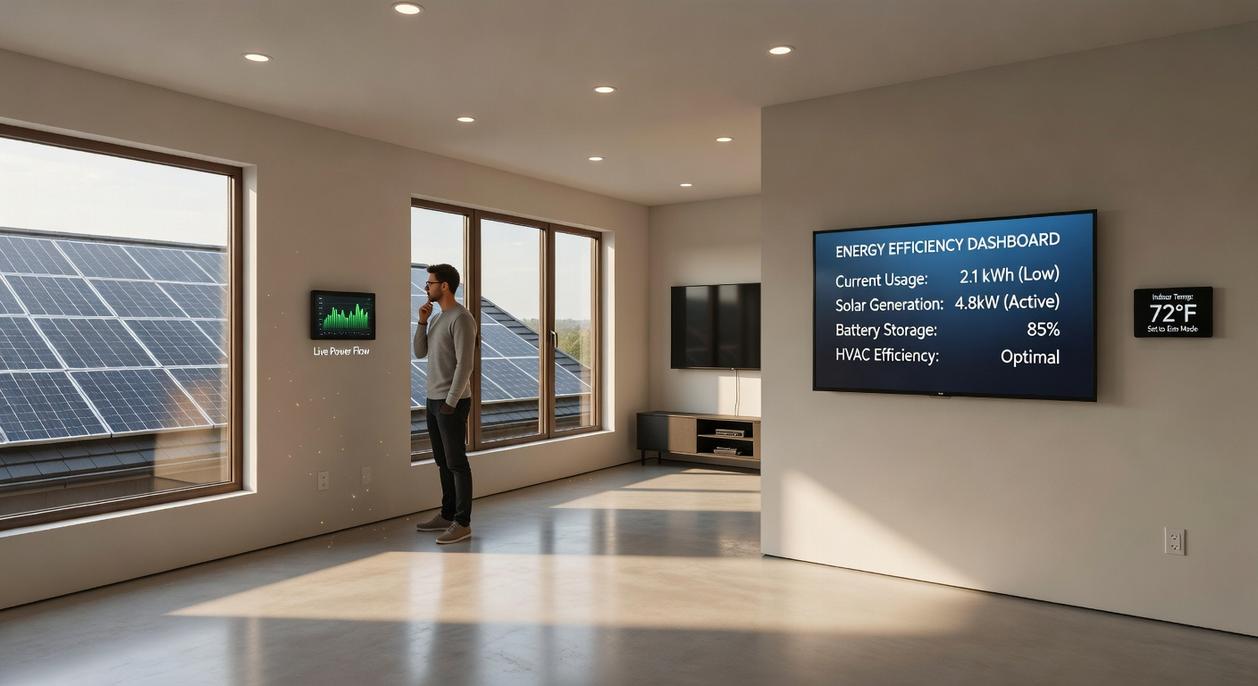
The real power of automation is simple: LESS THINKING, MORE LIVING. When your lighting runs itself, you reclaim time and mental energy for things that actually matter.
Start with voice control. Connect your lights to Alexa, Google Assistant, or Siri and you can turn off the kitchen without leaving the couch (we’ve all had that moment). It’s not just flashy tech — it’s frictionless control. I recommend setting up two default scenes first: “Morning” and “Wind Down.” Keep it SIMPLE.
Scheduling is where automation shines. Program lights to brighten gradually at 6:30 a.m. for a gentle wake-up, then dim automatically at 9:30 p.m. to cue bedtime. Research shows consistent light cues support healthy sleep cycles (Sleep Foundation). That’s one of the most practical smart lighting benefits.
Geofencing takes it further. Your lights switch on as you pull into the driveway and turn off when the last person leaves. No reminders needed.
For maximum impact, create synergy. Pair lighting with smart locks so entryway lights activate when the door unlocks. If you’re already integrating security cameras into a connected home (https://lwtc148.com/integrating-security-cameras-into-a-connected-home/), extend that ecosystem to lighting for TOTAL CONTROL.
Pro tip: Automate gradually. Master one routine before stacking more.
Advantage 4: Enhance Home Security and Peace of Mind
Lighting isn’t just decorative—it’s a frontline defense. When used strategically, it becomes an active deterrent (burglars prefer darkness, not spotlights).
Simulating occupancy is one of the simplest upgrades. Set “Vacation Mode” or randomized schedules so lights turn on and off naturally throughout the evening. A living room lamp at 7 p.m., a hallway light at 10 p.m.—it signals someone’s home. Pro tip: vary timing slightly each day to avoid predictable patterns.
Motion-activated lighting adds another layer. Connect indoor or outdoor sensors to key fixtures so movement instantly triggers brightness. Sudden illumination startles trespassers and highlights entry points like garages or back doors.
For maximum protection, integrate lighting with alarms and smoke detectors. Program lights to flash red or switch to full brightness if triggered. Neighbors notice. You react faster.
If you want practical smart lighting benefits, start with:
- Exterior motion lights
- Vacation scheduling
- Alarm-linked scenes
Small upgrades. Serious peace of mind.
Advantage 5: Support Your Natural Wellness and Sleep Cycle
Your body runs on a circadian rhythm—a 24-hour internal clock that tells you when to feel awake and when to feel sleepy. Light is the main signal that keeps this clock on time (think of it as your body’s built-in sunrise and sunset system).
Human-centric lighting simply means using artificial light to mimic natural daylight patterns so your brain stays in sync.
• Daytime: Bright, cool-toned light (more blue in appearance) can increase alertness and focus. Studies show blue-enriched light improves attention and reaction times (Harvard Health Publishing). It’s like giving your brain a gentle nudge that says, “It’s go time.”
• Evening: Warm, dim, amber-toned light reduces blue wavelengths that may suppress melatonin—the hormone that supports sleep (Sleep Foundation). This signals your body to unwind.
Some argue lighting changes are minor. But small daily cues add up. These smart lighting benefits create a passive, consistent way to support energy, mood, and better sleep.
Is Intelligent Lighting the Right Upgrade for Your Home?
First, consider the payoff. Intelligent lighting delivers cost savings, personalized ambiance, seamless automation, enhanced security, and wellness support. Over time, lower energy bills and automated schedules mean less effort and more control. Meanwhile, customizable scenes help you focus, relax, or entertain with a tap. In other words, you gain practical smart lighting benefits without overhauling your home. Rather than viewing lights as static fixtures, you transform them into a dynamic system that adapts to your lifestyle. To get started, upgrade one room—perhaps your living room or home office—and experience difference firsthand.
Bring Smarter Comfort Into Your Home Today
You started this guide looking for practical ways to improve your home with smarter, healthier, and more efficient solutions. Now you understand how small upgrades—especially through smart lighting benefits—can transform your daily routines, energy use, and overall comfort.
A cluttered space, inconsistent lighting, and inefficient systems don’t just affect your home—they affect your mood, focus, and well-being. The good news? You don’t need a full renovation to fix it. With the right smart integrations and simple organization strategies, you can create a space that works for you instead of against you.
The next step is simple: start with one upgrade. Choose a room, install smart lighting, automate one routine, or reset one high-traffic area. Small changes compound quickly.
If you’re ready to simplify your routines, lower energy waste, and build a home that feels effortlessly organized, explore our proven smart home and wellness guides today. Thousands of readers rely on our practical, easy-to-follow strategies to upgrade their spaces—now it’s your turn. Take the first step and transform your home into a smarter, calmer place to live.