
Creating a home that supports your well-being isn’t just about aesthetics—it’s about building systems that make daily life healthier, smarter, and more organized. If you’re searching for practical ways to upgrade your space, this guide brings together proven strategies across core home concepts, wellness routines, smart home integrations, and organization hacks to help you design a space that truly works for you.
Many homeowners feel overwhelmed by conflicting advice and endless product recommendations. We cut through the noise by drawing on evidence-based practices, expert-backed wellness principles, and real-world testing of tools and routines that actually deliver results. From implementing healthy home cleaning habits to automating everyday tasks with smart technology, you’ll discover actionable steps that are easy to apply and sustainable long term.
Whether your goal is a calmer environment, improved indoor health, or better household efficiency, this article will show you exactly how to make meaningful improvements—without overcomplicating the process.
Start with Safe, Simple Swaps
First, clear out harsh cleaners that contain ammonia or bleach—both can irritate lungs and skin (especially for kids and pets). Instead, mix equal parts white vinegar and water for glass and counters. For tougher grime, sprinkle baking soda, then spray vinegar to create a fizzing reaction that loosens buildup.
Next, improve air quality by opening windows during cleaning and using washable microfiber cloths to trap dust.
These small shifts build healthy home cleaning habits that protect your space long term. Pro tip: label homemade solutions to avoid mix-ups. Consistency makes cleanliness feel effortless and sustainable.
Building Your Natural Cleaning Toolkit
The Foundation: You don’t need a cabinet crammed with specialty sprays promising miracle results (most are just clever marketing). A streamlined toolkit built on a few non-toxic staples can handle nearly every mess in your home. Think of it as the capsule wardrobe of cleaning.
Essential Ingredients
- Distilled white vinegar: A mild acid that cuts grease and helps dissolve mineral buildup. It’s often called a “disinfectant,” though the CDC notes it’s not effective against all pathogens—so reserve it for everyday grime rather than hospital-grade sanitizing.
- Baking soda: A gentle abrasive that scrubs sinks and tubs without scratching. It also neutralizes odors by balancing pH.
- Castile soap: A plant-based, concentrated soap that works on floors, counters, and even dishes.
- Hydrogen peroxide: A proven stain remover and disinfectant (EPA-backed for certain microbes) when used properly.
Aromatic & Antimicrobial Boost
Add a few drops of lemon, tea tree, or lavender essential oil for scent and mild antimicrobial properties. But are essential oils truly necessary? Not always—they’re optional enhancements, not magic bullets.
The Right Tools
Microfiber cloths trap dust effectively (studies show superior particle capture), glass spray bottles prevent chemical leaching, and a sturdy scrub brush tackles grout. Pro tip: wash microfiber separately to maintain performance.
With these basics, healthy home cleaning habits become simpler, cheaper, and far more sustainable.
A Room-by-Room Guide to a Sparkling Home
A clean home doesn’t require a cabinet full of mystery chemicals. In fact, once you understand a few simple formulas, you can mix powerful cleaners with everyday ingredients (yes, the same baking soda sitting by your fridge).
The Kitchen Hub
First, let’s clarify what an all-purpose spray really is: a balanced solution that cuts grease, lifts grime, and disinfects lightly without damaging surfaces. Mix equal parts white vinegar and water, then add a few drops of dish soap. Vinegar is acidic, which helps dissolve mineral buildup and grease (CDC notes that vinegar can reduce some household bacteria, though it’s not a hospital-grade disinfectant).
For sinks and stovetops, make a paste with baking soda and water. Baking soda is a mild abrasive—meaning it scrubs without scratching. Think of it as exfoliation for your countertops.
To degrease oven doors naturally, spread baking soda paste, spray lightly with vinegar, let it fizz (that’s an acid-base reaction), then wipe clean. Pro tip: let it sit at least 15 minutes for stubborn buildup.
The Bathroom Sanctuary
Mold and mildew thrive in damp spaces. A simple spray of vinegar with 10–15 drops of tea tree oil works well because tea tree oil has antifungal properties (National Institutes of Health studies support its antimicrobial effects). Spray, wait 30 minutes, then rinse.
For toilets, pour baking soda into the bowl, add vinegar, let it fizz, scrub, and flush. The fizzing action helps loosen grime.
For streak-free mirrors and chrome, use diluted vinegar and wipe with a microfiber cloth. Streaks often come from residue, not the cleaner itself.
Living Areas & Bedrooms
A DIY dusting spray (water, vinegar, and a teaspoon of olive oil) helps repel dust by lightly conditioning surfaces. For floors, use gentle soap and water for hardwood, but a vinegar solution for tile. Different materials need different care—that’s not fussiness; it’s chemistry.
Finally, mix water, a splash of rubbing alcohol, and essential oils for a natural fabric spray. Pair these routines with healthy home cleaning habits and even consider incorporating indoor plants into your daily wellness plan for fresher air and calmer spaces.
Work Smarter: Habits for Effortless Upkeep
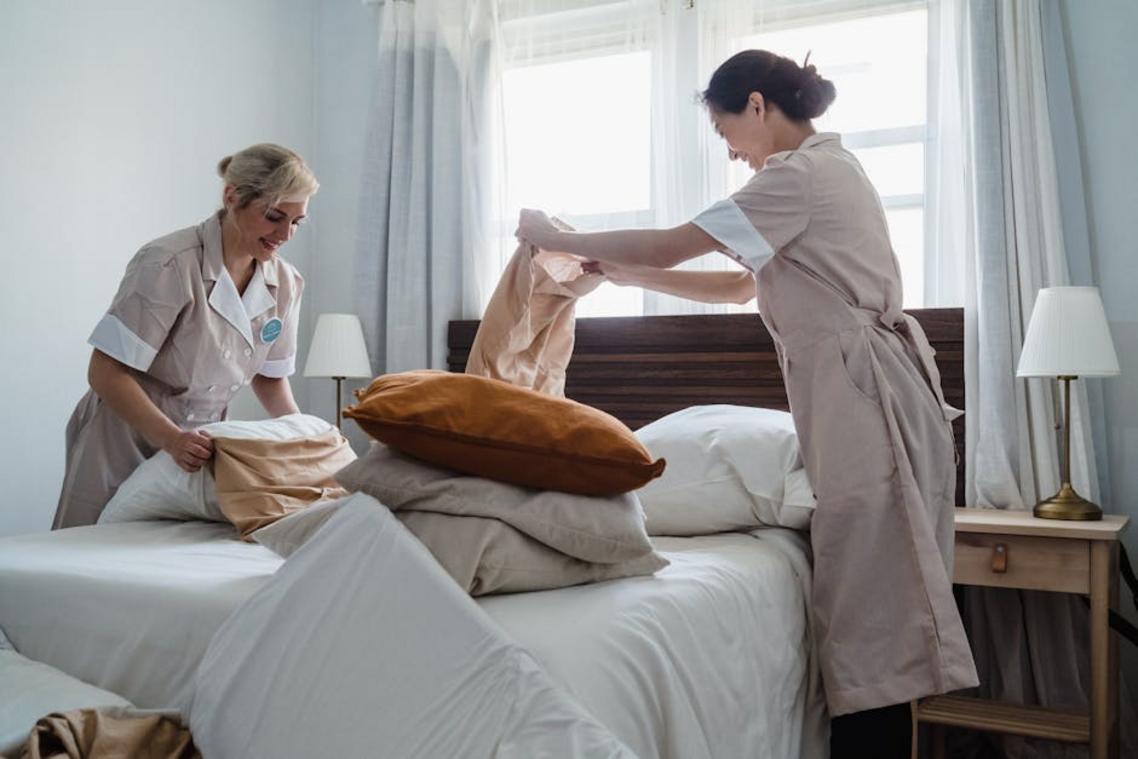
Ever wonder why some homes feel effortlessly tidy while others spiral into weekend-long cleaning marathons? The difference usually isn’t effort—it’s timing.
The “Clean as You Go” Philosophy
What if you wiped the counter right after chopping vegetables instead of “later”? The clean as you go method simply means handling small messes immediately so they never become big ones. A quick swipe today prevents hardened grime tomorrow (future you will be grateful). Restaurants use this system for a reason: constant micro-resets keep chaos from building up.
The 15-Minute Daily Reset
Now, ask yourself—could you spare just 15 minutes? Set a timer and target high-traffic zones like the kitchen or entryway. Research from Princeton University shows clutter competes for your attention, reducing focus. A short reset restores visual calm and reinforces healthy home cleaning habits without overwhelm.
Automating Cleanliness
Why not let tech pitch in? Robotic vacuums maintain floors daily, while air purifiers reduce airborne dust and allergens, according to the EPA. It’s like having a quiet assistant humming in the background (no coffee breaks required).
The Power of a Weekly Schedule
Finally, assign tasks to days—bathrooms Tuesday, floors Thursday. Doesn’t that feel more manageable than “clean everything Saturday”? Small, consistent steps win every time.
Critical Safety Rules & Common Mistakes to Avoid
First, the non-negotiable: never mix bleach with ammonia or vinegar. Bleach alone disinfects; bleach plus ammonia creates chloramine gas, a vapor that can burn lungs and eyes (CDC). A vs B: separate bottles, safe results; combined fumes, emergency room.
Next, surface protection. Vinegar works on glass, but on marble or granite it etches stone, dulling finish. Gentle pH-neutral cleaners vs acidic shortcuts—choose wisely.
Finally, more isn’t better. Extra soap leaves sticky residue that traps dirt. Think rinse vs grimy buildup (like over-seasoning a cast-iron pan).
Follow healthy home cleaning habits and measure.
Embracing a Healthier, Cleaner Lifestyle
You now have the tools to reset your routine with confidence. Swap harsh sprays for simple, proven ingredients like vinegar, baking soda, and castile soap. These aren’t just substitutes; they’re smarter solutions (and your lungs will thank you).
Start small: choose one DIY recipe tonight and commit to one new habit this week—maybe wiping counters daily or airing out rooms. Consistency prevents buildup before it becomes overwhelming.
If you doubt natural methods, remember that healthy home cleaning habits reduce exposure without sacrificing results. Focus on prevention, stock the right tools, and keep it simple. Done.
Create a Healthier, Smarter Home Starting Today
You came here looking for practical ways to make your home cleaner, calmer, and easier to manage. Now you have the tools—from smarter organization systems to simple wellness upgrades—to turn your space into one that truly supports your daily life.
A cluttered, inefficient home drains your time and energy. Inconsistent routines and outdated systems make it harder to relax, focus, and feel in control. By committing to healthy home cleaning habits, integrating smart solutions, and refining your routines, you remove the friction that’s been holding your home back.
Don’t let overwhelm reset your progress. Start with one room, one routine, or one upgrade today—and build momentum from there. Thousands of readers rely on these proven home strategies to simplify their spaces and improve daily living.
Take the first step now: choose one habit to implement this week and commit to it. Your healthier, more organized home begins with that single action.