
A beautiful home means little if it doesn’t support the way you actually live. This guide to creating spaces that work offers a practical blueprint for designing rooms that are both stylish and efficient. Many homeowners struggle with cluttered layouts, mismatched furniture, or rooms that look appealing but feel impractical. By applying functional interior design principles exactly as they’re meant to be used, you can eliminate chaos and create spaces that flow effortlessly. Drawing on proven space-planning strategies and organization expertise, this article walks you through a clear, step-by-step process to analyze, plan, and refine every room with purpose.
The First Principle: Defining Your Space’s Core Purpose
Before you move a single chair, pause. Defining your room’s primary and secondary functions is the foundation of a layout that actually works. When you’re clear about purpose, you eliminate guesswork—and instantly reduce visual and mental clutter (which, let’s be honest, no one needs more of).
Start with the “Activity Zoning” method. In other words, map out specific areas for distinct tasks: a reading nook by the window, a conversation zone centered around seating, or a focused work corner. This approach creates intuitive order and supports functional interior design principles without making your home feel staged or stiff.
Next, ask the key questions: Who uses this space and when? What activities are non-negotiable? What mood should it evoke—calm, energetic, cozy? By answering these, you design with intention instead of impulse. The benefit? A room that supports your routines instead of sabotaging them.
For open-plan living, define “rooms within a room.” Use area rugs to anchor furniture, group seating to signal purpose, and layer lighting to shift energy. As a result, your space feels cohesive—not like a furniture showroom mid-reset.
Ultimately, clarity creates comfort. And comfort makes everything else flow.
Mastering Flow and Layout: The Art of Effortless Movement
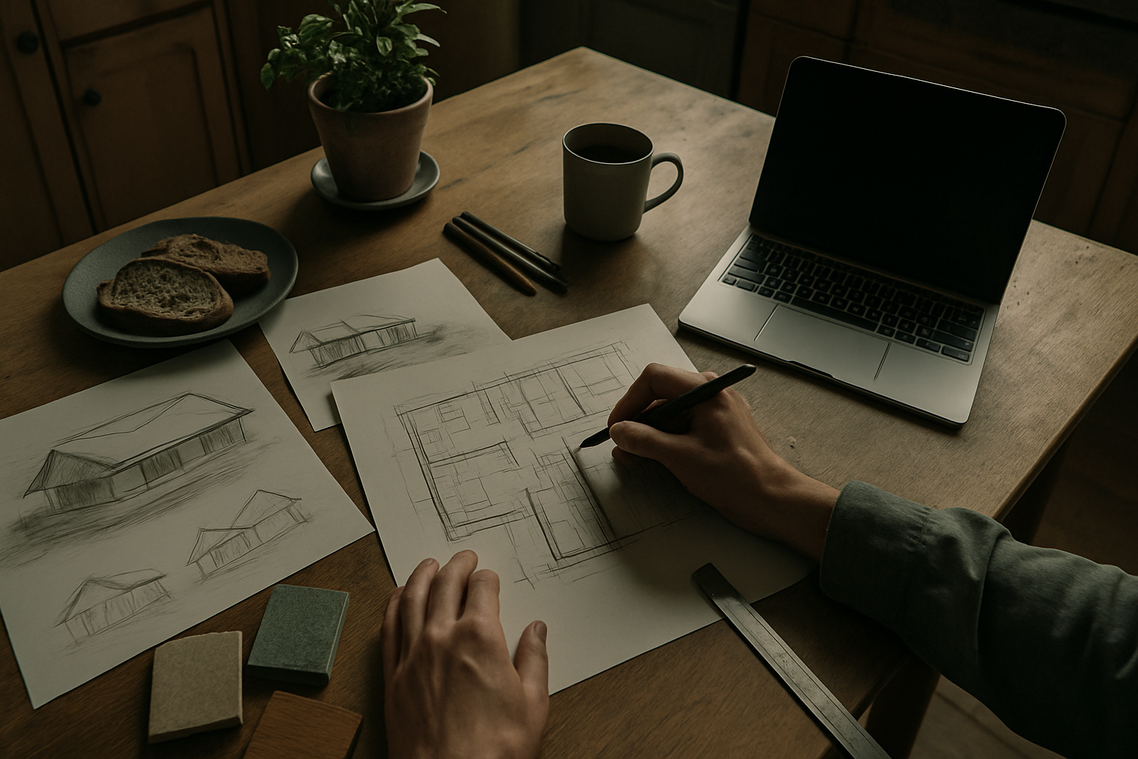
I once rearranged my living room three times in one weekend because something felt… off. The sofa looked great against the wall, but every time someone walked in, they had to sidestep a chair like they were in an obstacle course (not exactly the grand entrance I imagined). That’s when I realized flow isn’t about aesthetics alone—it’s about ease.
A well-structured space allows for easy movement. The goal is to create an intuitive and uncluttered environment. Start by establishing clear traffic paths—main walkways should measure 30–36 inches wide. These paths, especially from entryways to seating areas, must remain unobstructed. Think of them as the highways of your home.
Next, anchor the room with a focal point. A focal point is the visual centerpiece that naturally draws attention, like a fireplace, large window, or bold artwork. Arrange primary furniture to complement it. When I shifted my sofa to face the window instead of the TV, the entire room felt intentional rather than accidental.
Furniture grouping builds connection. Keep sofas and chairs within 8 feet of each other to encourage conversation. (No one wants to shout across the room like they’re on stage.) In my space, a simple U-shaped setup around the media center made gatherings feel instantly cozier.
Using functional interior design principles ensures beauty and usability work together. If you’re still setting up your space, this beginners guide to setting up a new home offers a helpful starting framework.
Flow isn’t complicated. When movement feels natural, everything else clicks into place.
Layering Elements for Depth, Function, and Ambiance
Once the layout is set, layering light, texture, and storage transforms a space from a simple floor plan into a home that feels intentional and lived-in. Think of it like cooking: the structure is the recipe, but the layers are the seasoning (and no one remembers a bland meal).
The Three Tiers of Lighting
First, let’s clarify a term designers use often: lighting tiers. This simply means using different types of light for different purposes.
- Ambient lighting is your overall illumination—the ceiling fixture or recessed lights that make the room usable.
- Task lighting focuses on specific activities, like a reading lamp beside a chair or under-cabinet lights in a kitchen.
- Accent lighting highlights features, such as artwork or textured walls.
Some argue overhead lighting alone is enough. Technically, yes—you’ll see. But layered lighting creates dimension and mood, which is why functional interior design principles emphasize all three tiers working together.
Smart Home Integration for Functionality
Next, smart technology simplifies control. Smart bulbs adjust brightness and color temperature throughout the day, while automated blinds respond to sunlight. In plain terms, your room adapts without constant manual effort. Pro tip: schedule warmer light in the evening to support better sleep cycles (Harvard Health notes blue light can disrupt melatonin production).
Using Texture to Add Visual Interest
Texture means how a surface feels or appears to feel. Combine soft textiles, smooth wood, cool metal, and plants to create contrast. Without variation, a room can feel flat—even if it’s beautifully furnished.
Organization Hacks for a Tidy Aesthetic
Finally, hidden storage reduces visual noise. Ottomans with interior compartments, vertical shelving, and multi-functional furniture keep essentials accessible yet out of sight. In other words, depth doesn’t require clutter—just smarter layering.
The final layer is where personality earns its place. I believe a calm room should feel lived-in, not staged. Wellness-centered design matters: plants, wood tones, and natural light genuinely shift mood (science backs that up). When you curate, don’t collect, you’re editing your story.
• Display with intention—group smaller objects, let statement pieces breathe.
• Follow the ‘One-In One-Out’ rule to avoid quiet clutter creep.
Use functional interior design principles to balance beauty and flow. Some argue minimalism feels sterile, but I think restraint highlights what you love. Pro tip: rotate decor seasonally instead of overfilling shelves. Less, truly, lands.
Your Home, Reimagined and Restructured
You came here looking for a way to make your home both beautiful and practical—and now you know you don’t have to choose between the two. The frustration of living in a space that feels cluttered, awkward, or disconnected can quietly drain your energy every single day. By applying Purpose, Flow, and Layering, you replace chaos with clarity and create a home that truly supports your lifestyle.
But insight only matters if you act on it.
Start today. Choose one room and define its core purpose before changing anything else. That single decision sets everything in motion.
If you’re ready to eliminate frustration and create a space that finally works for you, take the first step now. Thousands of homeowners are already transforming their spaces—yours can be next.