
If you’re looking for smarter ways to create a healthier, more efficient home, you’re in the right place. Modern homeowners aren’t just decorating—they’re optimizing. From streamlined organization systems to wellness-focused daily routines and intuitive smart home integrations, today’s core home concepts are designed to make life simpler, calmer, and more sustainable.
This article explores practical strategies that actually work, including the latest residential energy efficiency breakthroughs that can lower utility costs while improving comfort. We break down what’s worth your attention, what’s just hype, and how small, intentional upgrades can make a measurable difference in your space.
Our insights are grounded in hands-on research, industry data, and tested home optimization methods—not trends pulled from social media. Whether you want to declutter with purpose, upgrade your home tech, or build wellness routines that stick, you’ll find clear, actionable guidance to help you create a home that truly supports your lifestyle.
Last winter, my energy bill shocked me into action. I had sealed drafts before, but this time I explored residential energy efficiency breakthroughs reshaping modern homes. Here’s what worked:
- Smart thermostats that learn routines (mine cut heating costs within weeks).
- Phase-change insulation materials that store and release heat.
- High-performance windows with low‑E coatings to block infrared loss.
Energy efficiency means using less power for the same comfort. Upgrading felt expensive upfront, yet utility savings and rebates offset costs faster than expected. If you’re serious about lower bills and sustainability, start small, track results, then scale strategically. The payoff surprised me.
Intelligent Climate Control: AI-Powered Thermostats and Advanced Zoning
Thermostats have come a long way from basic programmable models. Those older devices followed fixed schedules—set it and hope your routine never changed. In contrast, AI-powered thermostats use machine learning (systems that analyze data to predict behavior) to study occupancy patterns and adjust temperatures proactively. So instead of blasting heat all afternoon, your system learns when you’re actually home (finally, a device that pays attention).
However, some argue these systems are expensive and overly complex. That’s fair. Upfront costs can be higher. Yet studies from the U.S. Department of Energy show smart thermostats can cut heating and cooling costs by about 10% annually. Over time, savings often offset installation.
Meanwhile, smart vents and zoning take efficiency further. Zoning divides a home into climate-controlled areas, while sensor-based vents open or close based on room usage. The result? Micro-climates that reduce HVAC waste—one of the biggest residential energy efficiency breakthroughs in recent years.
To see if zoning fits your home, start here:
- Do you have multiple stories?
- Do some rooms get intense sun exposure?
- Are certain spaces rarely used?
Finally, these systems generate detailed energy reports, empowering smarter decisions—and proof your savings aren’t just hot air.
The Building Envelope Revolution: Next-Generation Insulation and Air Sealing
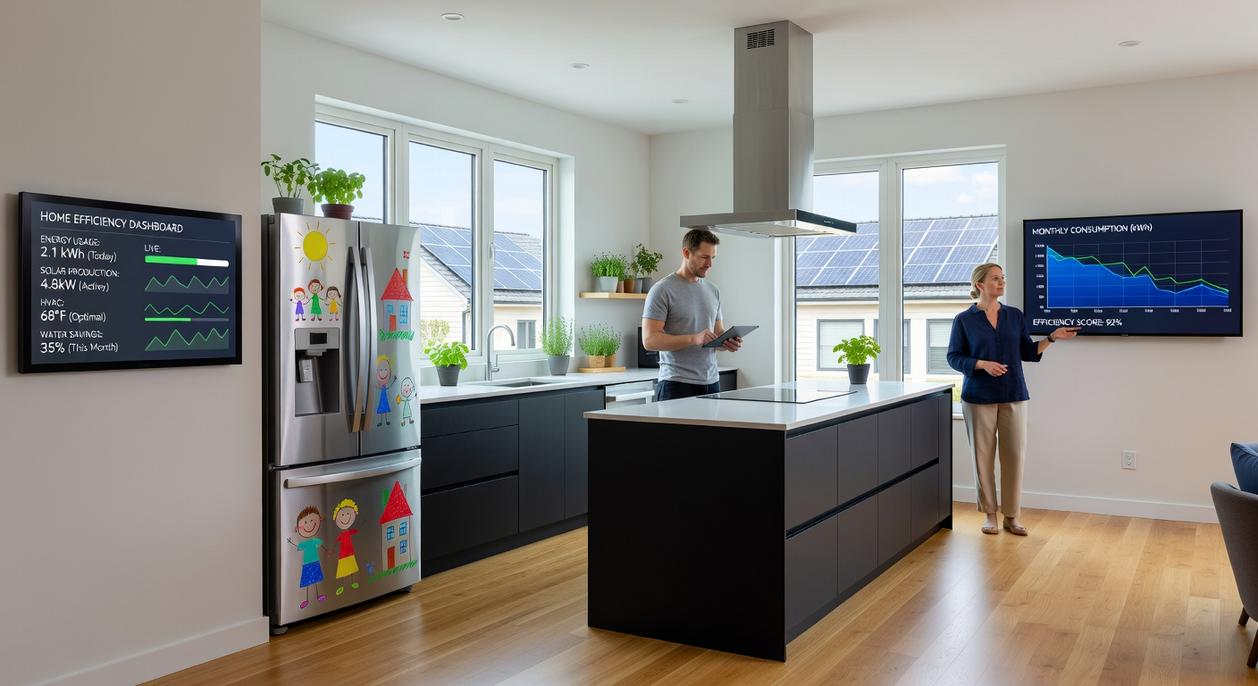
“Fiberglass is fine… right?” a homeowner asked during a renovation consult.
“Fine isn’t the same as FUTURE-PROOF,” the contractor replied.
That exchange captures the shift happening in building science. Traditional fiberglass batts (the pink, fluffy rolls you see in attics) slow heat transfer, but they don’t stop air movement. Next-generation systems like Structural Insulated Panels (SIPs)—prefabricated panels with rigid foam cores—and Insulated Concrete Forms (ICFs), which sandwich concrete between insulation layers, dramatically reduce thermal bridging (when heat sneaks through framing). High-performance spray foam now includes lower-global-warming-potential formulas, addressing environmental concerns raised by critics (and rightly so, given older foam’s impact; see EPA guidance).
Still, some argue these upgrades are overkill. “Isn’t this just expensive hype?” one skeptic told me. Not quite. The U.S. Department of Energy notes air leaks can account for up to 30% of heating and cooling costs.
The Air Barrier Imperative
Insulation without air sealing is like wearing a winter coat unzipped. Liquid-applied air barriers—sprayed or rolled coatings that dry into seamless membranes—create a continuous seal across walls and sheathing. No gaps. No drafts. REAL PERFORMANCE.
• Seamless coverage
• Durable adhesion
• Long-term moisture control
Finding the Leaks
A blower door test depressurizes the home using a calibrated fan, revealing exactly where outside air infiltrates. “You can literally feel the leaks,” an energy auditor said. It’s diagnostic, not guesswork.
Think of air sealing as the ultimate organization hack—defining your home’s thermal boundary for maximum ROI before solar or smart tech upgrades (a cornerstone of residential energy efficiency breakthroughs). For broader context, explore top home living trends shaping modern spaces in 2026.
Windows and Glazing Get Smart: Dynamic Glass and Superior Frames
Modern windows are no longer passive panes of glass—they’re active players in home performance.
Dynamic glass (also called electrochromic glass, meaning it changes tint when electricity is applied) adjusts automatically to sunlight. On bright afternoons, it darkens to reduce solar heat gain—the amount of heat entering your home—cutting glare and lowering air-conditioning demand. The benefit? More consistent indoor temperatures and measurable energy savings (U.S. Department of Energy notes that heat gain and loss through windows account for 25%–30% of residential heating and cooling energy use).
Frames matter just as much. Fiberglass and composite frames outperform vinyl or aluminum by limiting thermal bridging—heat transfer through conductive materials. That translates to better insulation and long-term durability with less warping.
Then there’s the power of panes. Triple-pane windows, filled with inert gases like argon or krypton, reduce heat transfer even further, setting a new bar for residential energy efficiency breakthroughs.
The modern home is starting to feel less like The Jetsons fantasy and more like a practical upgrade. First, consider adaptive lighting systems. These go far beyond basic LED bulbs by using occupancy and vacancy sensors—technology that detects whether someone is in a room. Pair that with daylight harvesting, which automatically dims fixtures when sunlight is sufficient, and you have lighting that adjusts itself like a well-trained stage crew. As a result, energy waste quietly disappears.
Next, energy monitoring smart plugs tackle so-called vampire loads—electricity drawn by devices on standby. Think game consoles or coffee makers glowing all night. By tracking real-time consumption, these plugs reveal hidden costs and let you schedule full shutdowns. It’s a small tweak, yet it delivers measurable savings, much like canceling subscriptions you forgot you had.
Finally, smart grid integration connects major appliances to utility signals. Washers, dryers, and EV chargers can run during off-peak hours, when electricity is cheaper and often cleaner. In other words, your home collaborates with the grid, contributing to residential energy efficiency breakthroughs without constant micromanaging. Together, these systems turn everyday routines into effortless, intelligent upgrades. It’s efficiency with a sci-fi twist, minus the robot butler we all want.
You now understand how residential energy efficiency breakthroughs—from advanced insulation to AI-driven climate control—transform daily living. These systems target the pain point: wasted energy that inflates bills and increases emissions. By integrating a tighter building envelope, smart thermostats, and balanced ventilation, you create a healthier, quieter, lower-cost home. Features like zoned heating and real-time usage tracking deliver measurable savings (and fewer thermostat arguments).
| Feature | Benefit |
| Smart Thermostat | Cuts 8–10% heating costs (Energy Star) |
Start small: book a home energy audit or install one smart device this month. Pro tip: seal air leaks first for payback.
Make Your Home Work Smarter, Not Harder
You came here looking for practical ways to improve your home, simplify your routines, and create a space that truly supports your well-being. Now you have clear, actionable strategies—from smarter organization systems to wellness-focused design and residential energy efficiency breakthroughs—that can transform how your home feels and functions every day.
The frustration of cluttered spaces, rising energy bills, and disconnected tech setups doesn’t have to continue. Small, intentional upgrades compound quickly, saving you time, money, and mental energy while making your home more aligned with your lifestyle.
Here’s your next step: choose one high-impact change and implement it this week. Whether it’s optimizing a daily routine, integrating a smart device, or upgrading for better efficiency, action creates momentum.
If you’re ready to eliminate inefficiencies and build a smarter, healthier home without the overwhelm, start applying these strategies today. The sooner you act, the sooner your home starts working for you—not against you.