If you’ve been searching for practical ways to create a calmer, more functional home, you’re in the right place. From simplifying your daily routines to integrating smart solutions that actually make life easier, this article is designed to help you bring structure and intention into your living space. We’ll walk through core home concepts, sustainable wellness habits, and smart upgrades that support both comfort and efficiency—without overwhelming your schedule or your budget.
You’ll also discover how small shifts—like optimizing storage with closet organization systems, refining your morning routine, or automating key areas of your home—can have a measurable impact on your productivity and peace of mind. Our guidance is grounded in hands-on research, real-world testing, and proven organizational strategies that prioritize function over trends.
Whether you’re refreshing one room or rethinking your entire home flow, this guide will give you clear, actionable steps to create a space that truly works for you.
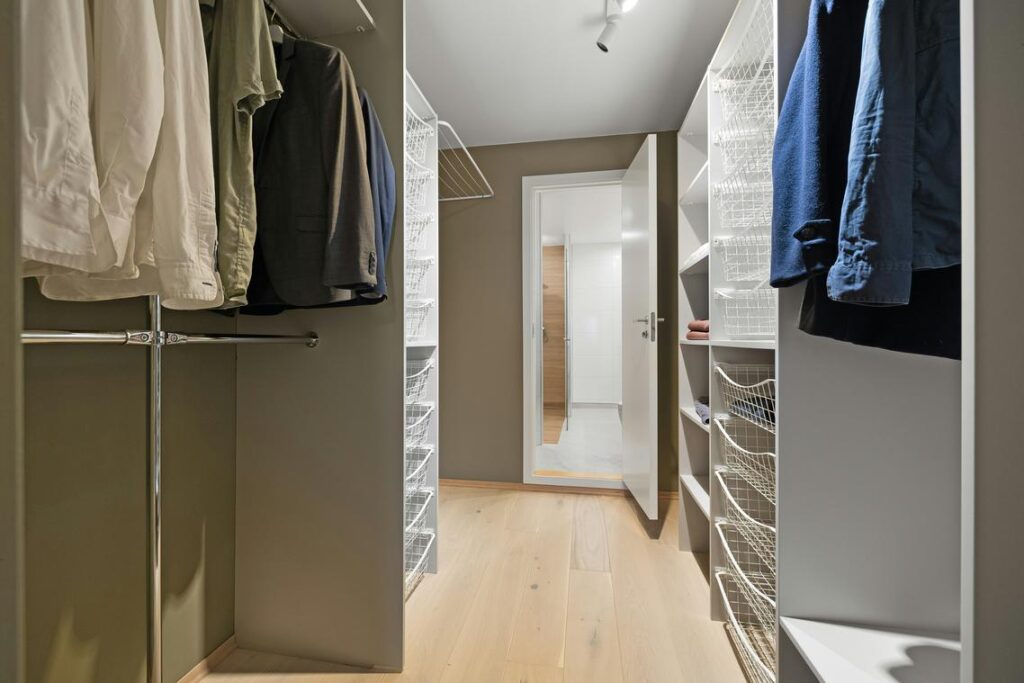
Your closet shouldn’t feel like a CRAMMED subway car at rush hour. When hangers scrape and sweaters spill onto the floor, mornings start with stress instead of calm. Most homes rely on a single rod and lonely shelf—fine in theory, useless in real life. Modern wardrobes need closet organization systems built on principles:
• Double hanging zones
• Vertical dividers
• Clear bins you can see and touch
Pro tip: measure twice; your tape measure should glide cool against the wall before you buy anything. This step-by-step reset creates breathing room, sightlines, and a smoother start to each day.
Before You Build: The 3-Step Closet Audit
Before you buy bins or install shelves, pause. A strategic audit saves money, time, and future frustration (yes, even that impulse container set).
1. The Wardrobe Edit
Declutter before you organize. Sort every item into:
1) Keep
2) Donate
3) Store elsewhere
4) Discard
This step creates instant breathing room and ensures you’re not designing space for clothes you don’t even wear. According to UCLA’s Center on Everyday Lives of Families, cluttered homes elevate stress levels—less stuff literally feels better.
2. Inventory Your Lifestyle
Study your “keep” pile. More heels than hoodies? Stacks of sweaters? Your habits dictate storage. This is where smart closet organization systems shine—built around your wardrobe, not a showroom sample.
3. Measure for Potential
Measure height, corners, and full wall space—not just width. Vertical storage often doubles capacity (pro tip: most closets waste upper thirds).
Do this well, and you’ll gain efficiency, clarity, and a closet that finally works for you.
The Power of Double-Hanging
If your closet has a single rod, you’re wasting prime airspace. Installing a second rod below the first—known as double-hanging—instantly doubles storage for shirts, folded pants, skirts, and lightweight jackets. Place the top rod about 80–84 inches from the floor and the lower rod around 40–42 inches. This spacing fits most standard garments without crowding (and yes, breathing room matters).
Some argue double-hanging limits long garments. True—but that’s why a small section can remain single-hang for coats or dresses. The competitive edge? Adjustable rods that shift seasonally, something most guides skip.
Floor-to-Ceiling Storage
Look up. That empty space near the ceiling is valuable real estate. Add high shelving at 84 inches or above for:
- Off-season clothing
- Luggage
- Keepsake boxes
This frees eye-level space for daily essentials. Pro tip: Use clear, labeled bins so you’re not playing “mystery box” every winter.
Accessory Walls That Work
Blank walls are missed opportunities. Install slatwall or pegboards with hooks and mini shelves to organize belts, scarves, hats, and jewelry. It turns storage into display—think boutique, not bargain bin.
While many closet organization systems focus only on rods and drawers, vertical wall mapping creates zones: grab-and-go, seasonal, and statement pieces. It’s strategic layering, not just stacking (your future self will thank you).
The Power of Modular: Building a Closet That Adapts to You
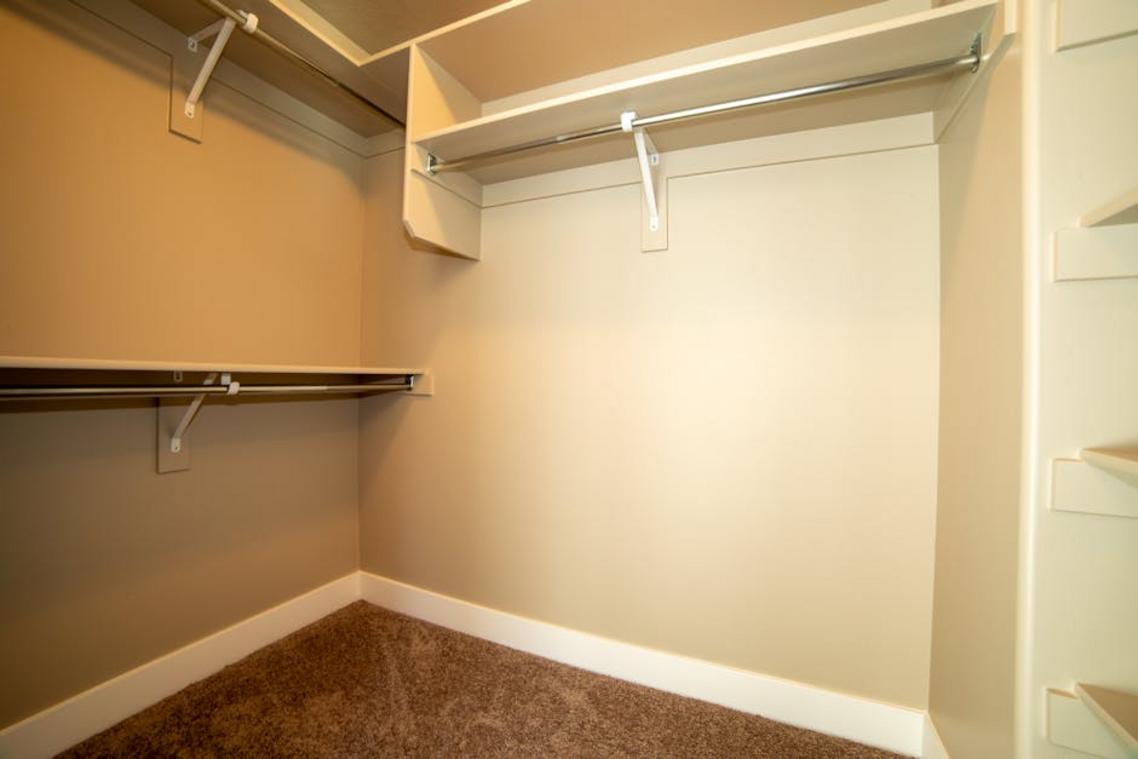
What Are Modular Systems?
Modular means built from interchangeable parts that can be rearranged or expanded over time. In closets, this includes track-based systems (wall-mounted rails with adjustable components), cube storage, and freestanding units. The biggest benefit? Flexibility. Your wardrobe changes with seasons, trends, and life stages—your closet should too. Unlike fixed cabinetry, modular closet organization systems let you shift shelves, add drawers, or reconfigure sections without starting from scratch.
Essential Components to Consider
Focus on pieces that solve real storage frustrations:
- Adjustable Shelves: Move them up or down to fit boots in winter and sandals in summer.
- Pull-Out Drawers: Hide socks, undergarments, and activewear while keeping them accessible.
- Specialized Inserts: Valet rods for outfit planning, pull-out pant racks to prevent creasing, and drawer dividers to stop the “junk drawer effect.”
Planning Your Custom Layout
Start with a quick wardrobe audit, then map your layout using online planners or simple graph paper. Measure twice (seriously), and allocate space based on what you actually own—not what looks good on Pinterest. If you’ve tackled projects like digital declutter organizing your home office files, you already understand the power of intentional systems. Your closet deserves the same strategy.
The Smart Closet blends design and technology to remove friction. Automated illumination refers to integrated LED strip lighting that turns on when a door opens or motion is detected. Instead of a single ceiling bulb casting shadows, these low-profile lights line shelves and rods, eliminating dark corners and making every item visible (yes, even that black sweater hiding in the back). LEDs use less energy and last longer than bulbs, according to the U.S. Department of Energy.
Motorized and pull-down rods solve vertical storage confusion. A pull-down rod is a hinged bar that lowers with a tug, bringing high-hung clothes within reach. This is helpful for shorter users or anyone with mobility concerns.
Digital wardrobe management sounds complex, but it means cataloging clothes in an app. You can:
- Plan outfits
- Track wear frequency
- Avoid duplicate purchases
Integrated into closet organization systems, these tools turn storage into strategy.
Your Organized Closet Awaits
Here’s the contrarian truth: a perfectly organized closet isn’t built on matching bins or the latest viral closet organization systems. It’s built on self-awareness. A truly optimized closet is a personalized system—meaning it reflects what you actually wear, how you get dressed, and what your mornings look like (be honest: are you a planner or a last-minute scrambler?).
Many people assume more containers equal more control. Not quite. Containers without clarity just hide chaos more neatly. The real shift happens when you audit your wardrobe, maximize vertical space, and choose modular pieces that adapt as your style evolves. That’s how you solve closet clutter permanently—not seasonally.
If you’re skeptical, consider this: professional organizers consistently emphasize customization over aesthetics (National Association of Productivity & Organizing Professionals). The goal isn’t a showroom; it’s a workflow.
- Audit what you own.
- Use vertical space intentionally.
- Invest in adaptable components.
That’s it.
Your next step is simple and decisive: schedule the 3-Step Closet Audit this weekend. Not someday. Not when life slows down. This single action creates momentum—and momentum is what turns an overstuffed closet into a space that works for you every day.
Create a Home That Finally Works for You
You came here looking for practical ways to bring order, calm, and smarter functionality into your home. Now you have the strategies to streamline your routines, reduce visual clutter, and design spaces that actually support your daily life.
Disorganization isn’t just frustrating — it drains your time, your energy, and your focus. When your home feels chaotic, everything feels harder than it needs to be. The right systems, especially well-designed closet organization systems, transform that stress into structure and simplicity.
The next step is simple: choose one high-impact area and take action today. Start with your most cluttered closet, implement a smart system, and build momentum from there.
If you’re ready to stop wasting time searching for things and start enjoying a home that feels calm and intentional, explore our top-rated organization guides and smart home solutions now. Thousands trust our proven strategies to simplify their spaces — and you can too. Take control of your home today.