
That moment you open your utility bill and see a higher-than-expected total is frustrating—and all too common. The answers are there, hidden in the details, but reading home energy reports can feel overwhelming with all the charts, rates, and technical terms. This guide is designed to change that. We’ll walk you step-by-step through your residential energy report in clear, practical language so you can understand exactly where your money is going. Drawing from years of hands-on home efficiency insights, we’ll help you pinpoint cost drivers and uncover simple, effective ways to lower your monthly bill.
First Look: Finding and Understanding Key Metrics
Your energy report is usually tucked inside your utility portal or monthly paper bill. Start by finding the “Usage Details” section. This is where the real story lives—and where reading home energy reports begins to pay off.
First up: Kilowatt-hour (kWh). A kilowatt-hour is the standard unit of electricity consumption—basically how much energy you use over time. Think of it like your home’s “miles per gallon.” The fewer kWh you use for the same comfort, the more efficient (and cost-effective) your home becomes. Lower kWh usage means lower bills. Simple, powerful win.
Next, check the Usage Comparison charts. These bar graphs show how this month stacks up against last month and the same time last year. In other words, you instantly see trends. If your usage spikes, you can connect the dots—seasonal heating, new appliances, or that unexpected heatwave (thanks, climate plot twist).
Finally, understand Tiered Rates. Many utilities increase the price per kWh after you pass a baseline amount. Once you cross that line, every extra unit costs more. Knowing this helps you stay below expensive tiers—and avoid bill shock.
Master these three metrics, and you gain control, clarity, and real savings.
Spotting the Patterns: What Your Home’s Energy Story Reveals
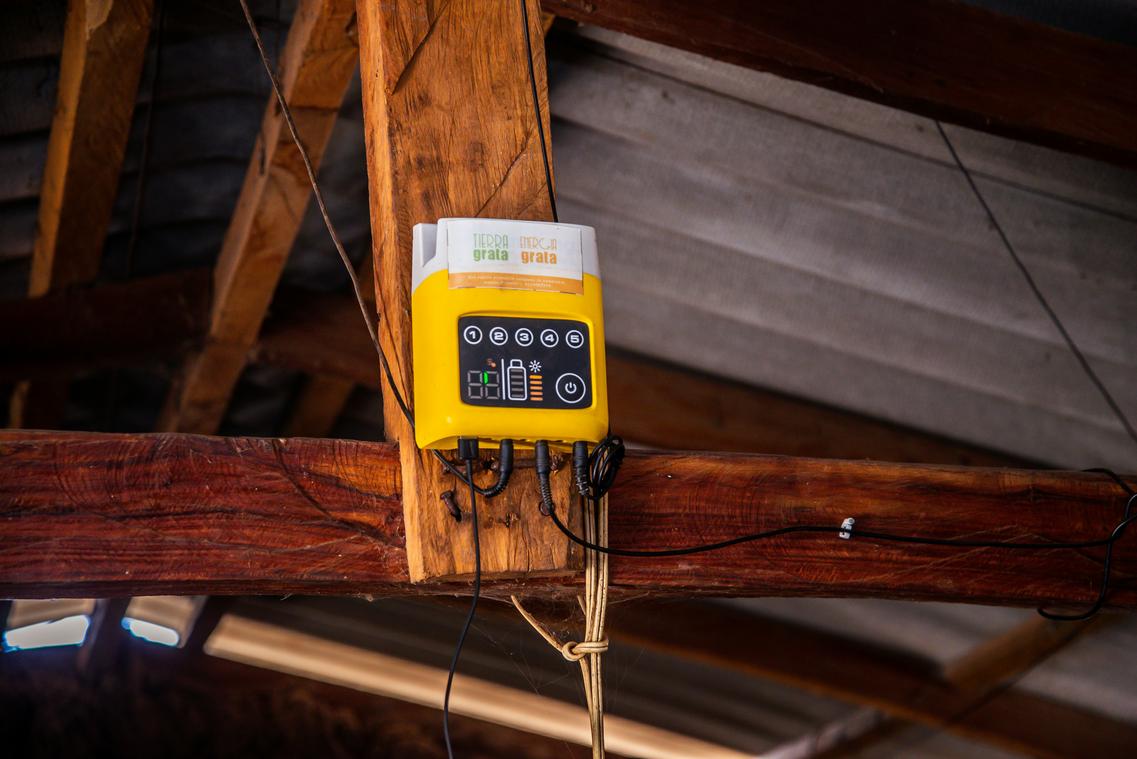
Your energy report isn’t just a bill—it’s behavioral data in disguise. In fact, the U.S. Energy Information Administration (EIA) notes that nearly 52% of a typical household’s annual energy consumption goes toward space heating and air conditioning. So when you see seasonal spikes, there’s usually a clear culprit.
Seasonal Spikes
For example, a sharp jump in July often signals heavy air conditioning use, while a January surge points to heating demand. If this year’s summer peak is noticeably higher than last year’s—without a major weather difference—it could indicate declining HVAC efficiency. According to ENERGY STAR, proper HVAC maintenance can reduce energy use by 5–15%. That’s not pocket change.
Daily Usage Breakdown
Next, examine daily or hourly trends. Are your highest peaks at 3 p.m., when the AC battles outdoor heat? Or around 8 p.m., when lights, TVs, and appliances compete for power (family movie night has a footprint)? Studies from the Department of Energy show peak-hour adjustments—like raising your thermostat by 7–10°F for eight hours—can save up to 10% annually.
The Overnight “Vampire” Load
Then there’s the 1 a.m. to 4 a.m. window. A steady baseline during these hours often reveals “vampire power”—devices drawing electricity while idle. The Natural Resources Defense Council estimates standby power costs U.S. households about $165 per year.
| Pattern Observed | Likely Cause | Potential Action |
|————————-|—————————|———————————–|
| Summer spike | Air conditioning | Service HVAC, adjust thermostat |
| Evening peak | Lighting & electronics | Use smart plugs, LED bulbs |
| High overnight baseline | Standby devices | Power strips, device shutdown |
By consistently reading home energy reports, you move from guessing to diagnosing. And once you connect the numbers to daily habits, targeted fixes become obvious (and surprisingly doable).
The Usual Suspects: Pinpointing Your Biggest Energy Hogs
Once you’ve spotted a pattern, the real question is: what’s actually causing it? When reading home energy reports, you’re not just scanning numbers—you’re playing detective. So, where should you look first?
In most homes, energy use typically comes down to five major culprits:
-
Heating and Cooling (HVAC)
This is the heavyweight champion, often responsible for 40–50% of total energy use (U.S. Department of Energy). Notice big spikes in summer or winter? That’s your HVAC waving for attention. Are you heating empty rooms? Cooling the house while windows leak air? Sound familiar? -
Water Heater
Accounting for about 15–20% of home energy use (energy.gov), your water heater works harder than you think. Long showers, frequent laundry, and dishwasher cycles all add up. Ever wondered how much that “just five more minutes” costs? -
Appliances (Washers, Dryers, Refrigerators)
Your fridge runs 24/7—no breaks, ever. Older models can use significantly more electricity than ENERGY STAR® versions. And dryers? They’re basically heat cannons (great for towels, tough on bills). -
Lighting
One incandescent bulb seems harmless. Ten across the house? Not so much. Switching to LEDs can cut lighting energy use by up to 75% (energy.gov). -
Electronics & ‘Vampire’ Power
Devices in standby mode quietly draw electricity. Check your overnight usage—does it dip as low as you’d expect?
Still unsure where to begin? Start with education before investment. Here’s a helpful guide on how to research before starting a major home upgrade.
Because once you know your usual suspects, the mystery gets a lot easier to solve.
Reading the report is only half the battle. The real savings begin when you turn insights into action. If you’re serious about cutting waste, start with the biggest red flag and work down.
Turn Insights Into Smart Upgrades
If your HVAC stands out, install a smart thermostat. Program it around when you’re actually home—not when you think you are. Even small schedule tweaks can reduce heating and cooling costs by up to 10% annually (U.S. Department of Energy). In other words, let automation do the remembering for you.
Next, if you notice evening peaks, designate a “laundry night” and run appliances during off-peak hours. Many utilities charge less at those times, so timing truly matters.
Meanwhile, tackle “vampire” loads by plugging entertainment systems into a smart power strip. One tap before bed, and everything powers down.
Finally, swap high-use bulbs for LEDs. They use at least 75% less energy and last 25 times longer (energy.gov). Reading home energy reports is helpful—but acting on them changes everything.
Your Path to a Smarter, More Mindful Home
You set out to eliminate the stress of unpredictable utility bills—and now you have the clarity to do it. By reading home energy reports with confidence, you’ve turned confusion into control and guesswork into strategy.
High energy costs don’t have to drain your budget or your peace of mind. Small, consistent adjustments add up quickly when guided by real data.
Ready to lower your bills for good? Start reviewing your latest report today and apply one efficiency upgrade this week. Join thousands of proactive homeowners who’ve already taken control—your smarter, more mindful home starts now.