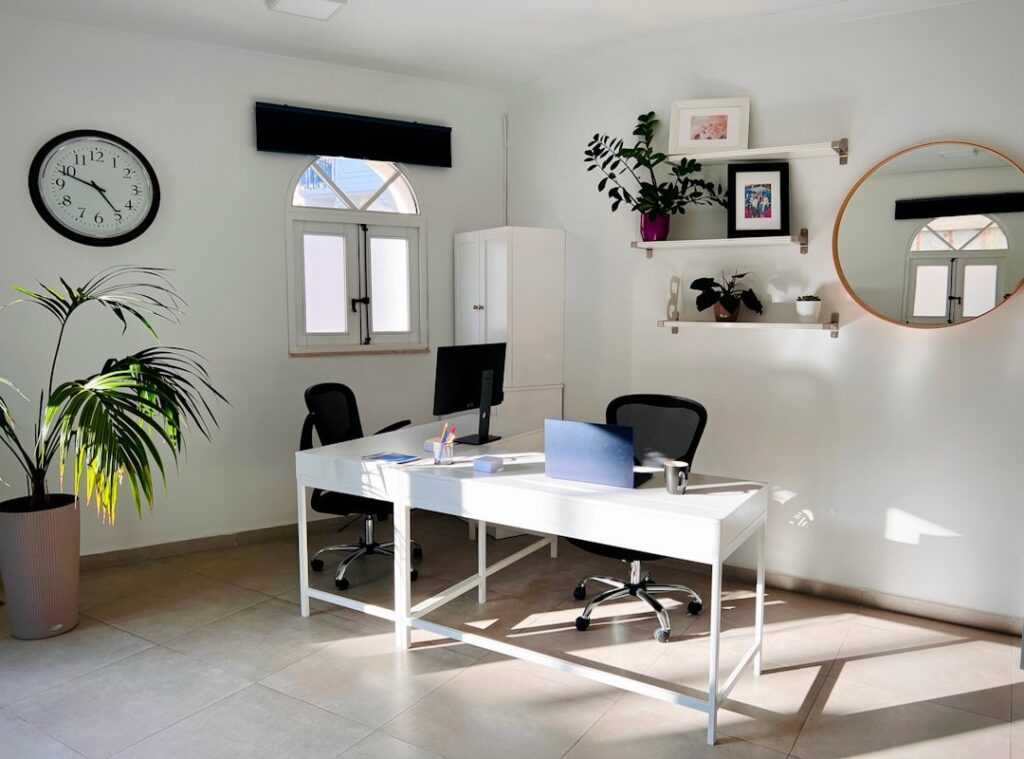
If you’ve ever found yourself searching for clear, practical definitions for everyday home concepts, you’re not alone. Creating a space that feels organized, functional, and aligned with your wellness goals starts with understanding the terminology behind design choices, smart integrations, and daily routines. This home and living glossary is designed to give you exactly that—straightforward explanations that make it easier to apply what you learn to your own space.
Whether you’re exploring smart home features, refining your organization systems, or building healthier routines, this guide breaks down essential terms in a way that’s simple and actionable. Our content is carefully researched and aligned with current home trends, practical living strategies, and wellness-focused design principles, so you can trust that the information is accurate and relevant.
Use this glossary as a reliable reference to make informed decisions and confidently improve the way you live at home.
Your Guide to Speaking the Language of Design Fluently
Ever feel lost flipping through design magazines, unsure what “wainscoting” or “biophilic” really mean?
This guide is your practical home and living glossary, built to decode the terms shaping how rooms look, flow, and function.
Not just definitions, but:
- Clear explanations of layouts, materials, and lighting layers—and how they affect mood and comfort.
- Practical examples so you can confidently brief a contractor or choose the right sofa depth.
By understanding the features and details behind each concept, you’ll articulate your vision, avoid costly mistakes, and design a home that supports wellness.
Decoding the Language of Style: From Minimalist to Maximalist
Understanding design styles isn’t just about aesthetics—it’s about creating a home that supports your daily life. When you can name a style, you can recreate it (and avoid costly trial and error).
Minimalism centers on simplicity, neutral palettes, and the idea that “less is more.” By reducing visual clutter, many people experience lower stress levels and improved focus—benefits supported by research linking organized spaces to better mental clarity (Princeton Neuroscience Institute).
Scandinavian (Scandi) design blends function with comfort through hygge (a Danish concept of cozy contentment), natural light, and muted tones. The payoff? Spaces that feel calm, practical, and inviting during long winters.
Mid-Century Modern (MCM) features clean lines, organic curves, and indoor-outdoor flow. It’s timeless—think “Mad Men,” but healthier.
Bohemian (Boho) embraces layered textures, global patterns, and plants galore. Perfect if creativity fuels you.
Industrial highlights brick, metal, and open layouts—raw, honest, and surprisingly low-maintenance.
Transitional merges classic details with modern simplicity, giving you flexibility as trends evolve.
Pro tip: Use a home and living glossary to decode unfamiliar terms before committing to big purchases.
The Building Blocks: Essential Furniture & Fixtures
Let’s clear up a few commonly confused pieces from the home and living glossary so you can choose with confidence.
Credenza vs. Sideboard vs. Buffet: These three are cousins, not twins. A credenza is typically lower and sleeker, often used in offices for hidden storage. A sideboard is broader and found in dining rooms for dishes and linens. A buffet is similar to a sideboard but slightly taller, designed for serving food (think holiday spreads). If you entertain often, choose a buffet for function; for multipurpose storage, go with a credenza.
Chaise Lounge: Essentially an elongated chair that supports your legs, it creates a built-in relaxation nook. Place one near a window for reading or unwinding (yes, main-character energy).
Sconce: A wall-mounted light fixture that provides ambient (overall glow) or task lighting (focused light for activities). Install sconces beside a bed to free up nightstand space.
Ottoman vs. Pouf: Ottomans are structured and often include storage; poufs are softer and more casual. For small spaces, pick an ottoman that doubles as storage.
Nesting Tables: These stackable tables tuck neatly together, then expand when needed—ideal for apartments or flexible living areas.
The Art of Touch: Materials, Patterns & Textures
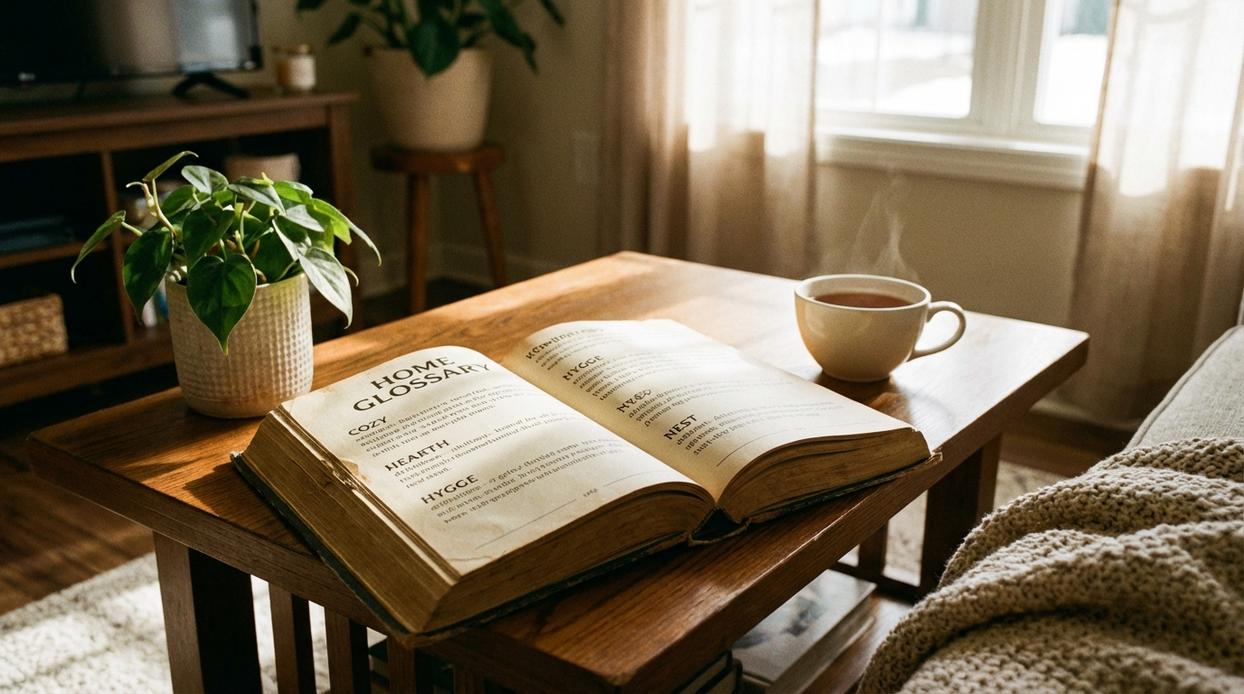
Design isn’t just what you see—it’s what you feel (literally, under your fingertips).
Bouclé is a looped, nubby fabric that feels like your favorite cozy sweater. Thanks to its plush texture, it’s become shorthand for quiet luxury—think sculptural cream chairs straight out of an Architectural Digest celebrity spread. It signals comfort, but elevated.
Meanwhile, terrazzo is a composite material made from chips of marble, quartz, or glass set into cement or resin. Once a mid-century staple, it’s back in a big way—playful yet polished, like something Barbie’s DreamHouse would proudly feature.
Then there’s patina—the soft sheen and subtle wear materials develop over time. Leather darkens, brass dulls, wood deepens. Some argue pristine is better; however, patina tells a story (and stories add soul).
When choosing patterns, note the difference: chevron forms a continuous zigzag with pointed seams, while herringbone staggers rectangles in a broken V pattern.
Finally, wainscoting is decorative paneling lining the lower wall, adding depth and architectural character.
For more foundational terms, explore this home and living glossary, including a beginners guide to understanding home improvement projects.
Shaping Your Space: Layout & Architectural Details
The way a room is structured affects how it feels and functions. Understanding a few core concepts from any good home and living glossary can help you design with purpose, not guesswork.
Open-Concept refers to a layout where walls are minimized, often combining the kitchen, dining, and living areas into one shared space. This design improves sightlines, encourages family interaction, and maximizes natural light (great for keeping energy bills lower, too). Some critics argue open layouts reduce privacy and increase noise. That’s fair. The fix? Use rugs, shelving, or sliding panels to create subtle zones without rebuilding walls.
Feng Shui is an ancient Chinese practice focused on arranging furniture and décor to promote balance and positive energy flow. While skeptics call it symbolic, many homeowners find that simply reducing clutter and improving layout boosts mental clarity and WELLNESS.
A Focal Point anchors a room—like a fireplace, bold artwork, or statement sofa. Without one, spaces can feel visually chaotic.
Crown Molding adds polish where walls meet ceilings, elevating even simple rooms.
Smart Home Integration blends hidden speakers, smart lighting, and automated climate control seamlessly into architecture for comfort and FUNCTION.
– CAPS
-
–
Mastering Mood with Color & Light
Color and light aren’t just decorative—they’re functional design tools (yes, even that “boring” beige has a job to do).
Hue is the pure color itself—blue, red, yellow. A tint is created when white is added, making a hue lighter. A shade adds black, deepening intensity. Tone mixes in gray, softening vibrancy. These four properties shape how a room feels, from airy pastels to dramatic charcoals.
A color palette is your curated mix of hues. The 60-30-10 rule keeps it balanced: 60% dominant color, 30% secondary, 10% accent. It’s a formula designers rely on because it works.
Lighting layers matter just as much. Ambient lighting provides overall illumination. Task lighting focuses on function—think under-cabinet LEDs for cooking. Accent lighting highlights features like artwork.
Finally, color temperature (measured in Kelvins) shifts mood. Warm light (2700K–3000K) feels cozy; cool light (4000K+) feels energizing. Check your home and living glossary for deeper definitions.
Now, you’re equipped with the language to design confidently. Instead of feeling intimidated by jargon, you can spot balance, scale, and contrast in your own rooms. So what’s next? Open your home and living glossary, walk through each space, and start planning your next project with clarity and purpose today.
Bring Clarity and Comfort Into Your Space
You came here looking for clear, practical guidance to make your space more functional, calming, and aligned with your lifestyle. Now you have the insights to simplify routines, integrate smarter solutions, and create a more intentional environment that truly supports your day-to-day life.
When your home feels disorganized or disconnected, it adds stress you simply don’t need. Small inefficiencies stack up. Clutter drains energy. Confusing design terms make upgrades feel overwhelming. That’s why having a reliable home and living glossary and actionable strategies matters — it turns uncertainty into confident action.
The next step is simple: start applying one improvement today. Optimize a routine. Reorganize one high-traffic area. Explore a smart integration that saves you time. Small, consistent changes create lasting transformation.
If you’re ready to eliminate chaos and design a home that works for you — not against you — explore more expert-backed insights and practical guides today. Thousands of readers trust our proven strategies to simplify their spaces and elevate daily living. Start now and turn your home into the organized, balanced sanctuary you deserve.
 Susan Andersonickova has opinions about current highlights. Informed ones, backed by real experience — but opinions nonetheless, and they doesn't try to disguise them as neutral observation. They thinks a lot of what gets written about Current Highlights, Core Home Concepts and Essentials, Home Organization Hacks is either too cautious to be useful or too confident to be credible, and they's work tends to sit deliberately in the space between those two failure modes.
Reading Susan's pieces, you get the sense of someone who has thought about this stuff seriously and arrived at actual conclusions — not just collected a range of perspectives and declined to pick one. That can be uncomfortable when they lands on something you disagree with. It's also why the writing is worth engaging with. Susan isn't interested in telling people what they want to hear. They is interested in telling them what they actually thinks, with enough reasoning behind it that you can push back if you want to. That kind of intellectual honesty is rarer than it should be.
What Susan is best at is the moment when a familiar topic reveals something unexpected — when the conventional wisdom turns out to be slightly off, or when a small shift in framing changes everything. They finds those moments consistently, which is why they's work tends to generate real discussion rather than just passive agreement.
Susan Andersonickova has opinions about current highlights. Informed ones, backed by real experience — but opinions nonetheless, and they doesn't try to disguise them as neutral observation. They thinks a lot of what gets written about Current Highlights, Core Home Concepts and Essentials, Home Organization Hacks is either too cautious to be useful or too confident to be credible, and they's work tends to sit deliberately in the space between those two failure modes.
Reading Susan's pieces, you get the sense of someone who has thought about this stuff seriously and arrived at actual conclusions — not just collected a range of perspectives and declined to pick one. That can be uncomfortable when they lands on something you disagree with. It's also why the writing is worth engaging with. Susan isn't interested in telling people what they want to hear. They is interested in telling them what they actually thinks, with enough reasoning behind it that you can push back if you want to. That kind of intellectual honesty is rarer than it should be.
What Susan is best at is the moment when a familiar topic reveals something unexpected — when the conventional wisdom turns out to be slightly off, or when a small shift in framing changes everything. They finds those moments consistently, which is why they's work tends to generate real discussion rather than just passive agreement.