

Do certain rooms in your house always feel stuffy? Are your energy bills climbing even though your usage hasn’t changed? The invisible culprit is often your home’s airflow. Understanding home ventilation basics can make the difference between a space that feels fresh and balanced and one that feels uncomfortable and inefficient. This guide breaks down how residential airflow really works, helping you create a healthier, more comfortable living environment. Built on years of hands-on experience optimizing home performance and wellness, you’ll gain clear, practical insight into spotting common airflow problems and improving the way your home “breathes.”
Think of your home’s airflow system as its respiratory system. In other words, without steady circulation, everything feels stale and sluggish (like a room after a long movie marathon). Understanding these home ventilation basics helps you see how each part works together rather than as isolated hardware.
First, the furnace or air handler acts as the lungs—and arguably the heart—of the system. It pushes conditioned air through the house, powering every cycle. Without that force, nothing moves.
Next comes ductwork, the arteries. Supply ducts deliver fresh, heated or cooled air into rooms. Meanwhile, return ducts pull stale air back for reconditioning. Many competitors skip this distinction, yet balancing supply and return airflow is what prevents pressure imbalances and uneven temperatures.
Then there are vents, registers, and grilles—the pathways. Registers typically include adjustable dampers to direct airflow. Grilles usually cover return openings. Vents is the catch-all term homeowners use for both. Small adjustments here can noticeably improve comfort.
Finally, the thermostat is the brain. It senses temperature and signals when the system turns on or off.
All of this ties directly into the foundational principles of practical interior layouts: https://lwtc148.com/foundational-principles-of-practical-interior-layouts/.
The Science of Air Pressure: A Delicate Balancing Act
Proper home ventilation systems are essential for maintaining air quality, which complements effective carpet maintenance practices highlighted in our article on Carpet Maintenance Livpristhome to create a healthier living environment.
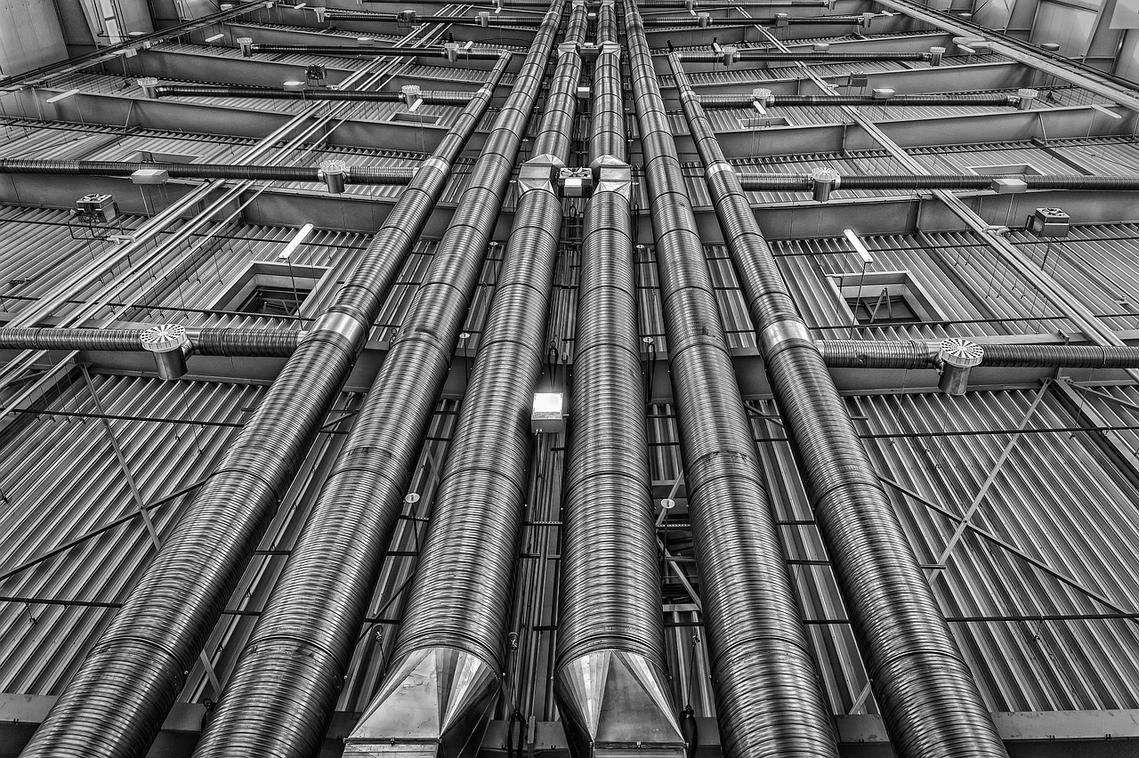
Every home operates like a living, breathing system. Even if you can’t see it, air is constantly moving in and out. In my opinion, understanding this invisible flow is one of the most overlooked home ventilation basics—and yet it affects everything from comfort to health.
First, let’s talk about negative pressure. This happens when more air leaves your house than enters it. Exhaust fans, dryers, and fireplaces often cause it. As a result, your home starts pulling air in from anywhere it can—tiny cracks, gaps around windows, even the foundation. That means allergens, cold drafts, and in some regions, radon gas can sneak inside (not exactly the kind of surprise you want).
On the flip side, positive pressure means more air is pushed in than allowed out. While that might sound protective, it can force conditioned air out through hidden gaps. Consequently, you’re paying to heat or cool the outdoors. Worse, trapped moisture can build up inside walls, which I think is an underestimated risk.
So what’s the sweet spot? Balanced pressure. Air in equals air out. In this state, your home feels steadier, energy bills stay manageable, and indoor air quality improves. Honestly, balance isn’t just ideal—it’s essential.
5 Telltale Symptoms of a Poorly Performing Airflow System
“Why is my bedroom freezing while the living room feels like a greenhouse?” a homeowner asked me recently. That single question captures the first red flag: drastic temperature differences between rooms. When one space is an icebox and another is a sauna, airflow is uneven—often due to blocked vents, leaking ducts, or poor system balancing.
Next, consider your utility bill. If it keeps climbing and you’re saying, “But we barely changed the thermostat,” your system may be overworking to overcome leaks or restrictions. According to the U.S. Department of Energy, duct losses can account for up to 30% of energy consumption in a typical home (energy.gov). In other words, your HVAC could be fighting a battle it can’t win.
Then there’s the dust. If you’re constantly wiping surfaces or noticing worsening allergies, that’s another clue. A poorly sealed system can pull in unfiltered air from attics or crawlspaces. As one technician put it, “If your ducts aren’t tight, your house is breathing in all the wrong places.”
Meanwhile, stuffy, stale air or lingering odors suggest poor air exchange. You shouldn’t feel like yesterday’s dinner is still hanging around for an encore. This is where understanding home ventilation basics becomes essential.
Finally, listen closely.
- Whistling vents may signal pressure imbalances
- Banging ducts could mean improper sizing or loose fittings
Strange noises aren’t just annoying—they’re your system asking for help.
Breathe Easier: Quick Wins for Better Home Airflow
Improving airflow doesn’t require a contractor—just a little attention to home ventilation basics and a few smart comparisons.
Task 1: Check and Replace Your Air Filter
Clean filter vs. clogged filter: one lets air glide through; the other forces your system to strain (and spike energy bills). A clogged filter restricts airflow, reduces efficiency, and can overheat components. The U.S. Department of Energy notes that replacing a dirty filter can lower energy consumption by up to 15%. Pro tip: check monthly, especially during peak heating or cooling seasons.
Task 2: Keep Vents and Registers Unblocked
Open airflow vs. blocked vents: which would you rather breathe through—an open straw or a pinched one? Move rugs, curtains, and furniture away.
- Walk room to room and confirm every vent is clear.
Task 3: Clean Return Air Grilles
Dust-clogged returns limit the air your system pulls in. Vacuum and wipe them regularly.
Task 4: Visual Ductwork Inspection
Sealed ducts vs. disconnected ducts: one delivers comfort; the other wastes it. Check basements or attics for visible gaps or damage.
From Airflow Awareness to a Healthier Home Environment
Understanding home ventilation basics is the first step toward taking control of your home’s comfort and health. When you know how air should move through your space, it becomes easier to spot the warning signs of poor circulation—stale rooms, uneven temperatures, rising energy bills, or lingering odors.
By recognizing these symptoms and handling simple maintenance tasks, you can dramatically improve your system’s performance and create a fresher, healthier environment.
Now it’s your move. Use this guide to perform a quick home airflow audit today. If issues persist, don’t ignore them—get a professional diagnosis and restore lasting comfort before small problems turn into costly repairs.
 John Powellorins writes the kind of smart home integrations content that people actually send to each other. Not because it's flashy or controversial, but because it's the sort of thing where you read it and immediately think of three people who need to see it. John has a talent for identifying the questions that a lot of people have but haven't quite figured out how to articulate yet — and then answering them properly.
They covers a lot of ground: Smart Home Integrations, Browse and Learn, Home Organization Hacks, and plenty of adjacent territory that doesn't always get treated with the same seriousness. The consistency across all of it is a certain kind of respect for the reader. John doesn't assume people are stupid, and they doesn't assume they know everything either. They writes for someone who is genuinely trying to figure something out — because that's usually who's actually reading. That assumption shapes everything from how they structures an explanation to how much background they includes before getting to the point.
Beyond the practical stuff, there's something in John's writing that reflects a real investment in the subject — not performed enthusiasm, but the kind of sustained interest that produces insight over time. They has been paying attention to smart home integrations long enough that they notices things a more casual observer would miss. That depth shows up in the work in ways that are hard to fake.
John Powellorins writes the kind of smart home integrations content that people actually send to each other. Not because it's flashy or controversial, but because it's the sort of thing where you read it and immediately think of three people who need to see it. John has a talent for identifying the questions that a lot of people have but haven't quite figured out how to articulate yet — and then answering them properly.
They covers a lot of ground: Smart Home Integrations, Browse and Learn, Home Organization Hacks, and plenty of adjacent territory that doesn't always get treated with the same seriousness. The consistency across all of it is a certain kind of respect for the reader. John doesn't assume people are stupid, and they doesn't assume they know everything either. They writes for someone who is genuinely trying to figure something out — because that's usually who's actually reading. That assumption shapes everything from how they structures an explanation to how much background they includes before getting to the point.
Beyond the practical stuff, there's something in John's writing that reflects a real investment in the subject — not performed enthusiasm, but the kind of sustained interest that produces insight over time. They has been paying attention to smart home integrations long enough that they notices things a more casual observer would miss. That depth shows up in the work in ways that are hard to fake.