

Thinking about upgrading your home but unsure where to start? You’re not alone. With so many design trends, wellness upgrades, and smart technologies competing for attention, it’s easy to feel overwhelmed before you even begin. That’s exactly why this guide exists.
If you’re researching major home upgrades, you’re likely looking for improvements that add comfort, functionality, and long-term value—not just cosmetic changes. This article breaks down the most impactful upgrades across core home design, wellness-focused routines, smart home integrations, and practical organization strategies so you can make informed decisions with confidence.
Our recommendations are grounded in extensive research, real-world case studies, and analysis of evolving home innovation trends. We focus on solutions that are practical, sustainable, and proven to enhance everyday living.
By the end, you’ll have a clear understanding of which upgrades are worth your investment—and how to prioritize changes that truly elevate your home and lifestyle.
Rethinking Your Space: A Guide to Transformative Renovations
Most renovation guides obsess over finishes. We focus on friction. If your kitchen workflow feels like a reality show challenge, or your bedroom doubles as an office and sleep suffers, aesthetics won’t fix that. True transformation starts with mapping daily routines and identifying stress points before researching major home upgrades.
Upgrade for alignment, not applause. Prioritize air quality systems, circadian lighting (lighting that follows natural daylight rhythms), and smart storage that reduces decision fatigue. Competitors rarely connect layout changes to wellness metrics like sleep quality or cortisol levels—yet studies link environment and stress reduction (Harvard Health).
Pro tip: redesign pathways before walls.
The Heart of the Home: The High-Function Kitchen
A high-function kitchen isn’t about marble countertops or trendy backsplashes. It’s about how smoothly you can move through daily tasks without friction. The key concept here is the kitchen work triangle—the imaginary line connecting the sink, stove, and refrigerator. Think of it as your kitchen’s GPS. When these three points are spaced efficiently, you take fewer steps, save time, and avoid traffic jams (no one likes bumping hips while sautéing onions).
Some argue open-concept kitchens make workflow irrelevant. But even the most Instagram-worthy space fails if cooking feels like running laps. Function quietly beats form every time.
Smart integration can sound complicated, but it simply means appliances that connect to Wi-Fi and automate tasks. For example:
- Refrigerators that track inventory
- Ovens you preheat from your phone
- Voice-activated faucets for hands-free cleanup
When researching major home upgrades, plan electrical layouts early. Add more outlets than you think you need (pro tip: include one inside a drawer for charging devices).
Finally, build an organizational core. Deep drawers for pots, pull-out pantries, and clearly defined prep, cooking, and cleaning zones reduce clutter. It’s less chaos, more choreography—like your own culinary command center.
The Bathroom Reimagined: Your Personal Wellness Retreat
Let’s be honest: most bathrooms feel purely functional. Harsh lighting. Cold tile. Zero personality. It’s the one room meant for unwinding that somehow manages to raise your stress levels (why is the light always so aggressive at 6 a.m.?).
A major renovation is your chance to fix that. Think spa-inspired elements: a curbless, walk-in shower with a rainfall showerhead, a freestanding soaking tub, even heated floors that take the sting out of winter mornings. These upgrades aren’t just luxuries—they transform routine into ritual. Comfort should not feel like an afterthought.
Lighting is where most bathrooms go wrong. You need layered lighting: bright, clear illumination at the vanity for shaving or makeup, and dimmable ambient lighting elsewhere for a calming glow. (No one looks good under a single overhead bulb.)
Material choices matter, too. Large-format tiles reduce grout lines—meaning less scrubbing. Natural stone or warm wood accents add serenity. High-quality fixtures feel solid and last longer. Pro tip: matte finishes hide water spots better than polished chrome.
If you’re already researching major home upgrades, don’t overlook this space. A well-designed bathroom doesn’t just look better—it makes daily life feel intentionally restored.
Creating Flexible Living and Work Spaces
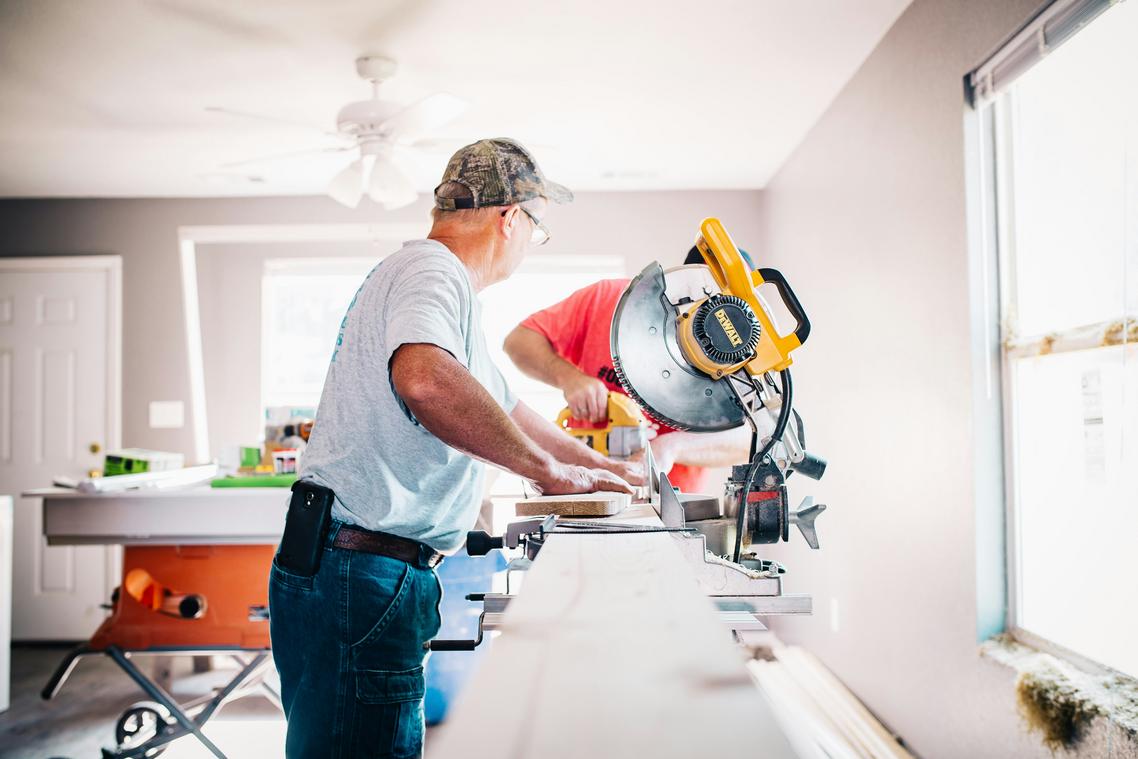
Modern homes need to flex (because life rarely stays still). Here’s how to make yours adapt without a full-scale renovation.
Break Down Walls—Carefully
Open-concept layouts improve sightlines, boost natural light, and make gatherings feel more connected. Start by confirming a wall is non-load-bearing—meaning it doesn’t support structural weight. Hire a structural engineer or contractor to verify before demolition. Once removed, unify flooring and paint colors to create flow.
Pro tip: Add ceiling beams or partial dividers if you want openness without losing subtle room definition.
Create a Dedicated Home Office
Remote work demands more than a laptop at the dining table. Convert a spare bedroom or even a large closet (a “cloffice”) into a focused workspace. Install built-in shelving, task lighting, and acoustic panels to reduce echo. Smart wiring for high-speed internet and hidden cable management keeps things tidy. If you’re researching major home upgrades, prioritize soundproofing—it directly impacts productivity.
Design Multi-Functional Zones
Use rugs, lighting, and furniture placement to define zones within one room. A sectional can separate a play area from a reading nook. A fold-out desk transforms a living room corner into an evening workstation. Think of it like a movie set—one space, multiple scenes.
For deeper vetting strategies before renovations, review how to evaluate home improvement advice online to avoid costly missteps.
Building a Connected Home: The Smart Technology Overhaul
A truly smart home starts with an invisible hero: the network backbone. If you’re renovating, run Ethernet cables to high-traffic areas like offices, living rooms, and media centers. Ethernet (a wired internet connection) is faster and more reliable than Wi-Fi—especially for bandwidth-hungry devices like 4K cameras or streaming boxes. Upgrade to a mesh Wi-Fi system to eliminate dead zones. (Yes, buffering in 2026 still hurts.)
Step-by-step foundation plan:
- Install Cat6 or Cat6a Ethernet during open-wall renovations.
- Place a central networking cabinet for your modem, router, and switch.
- Label every cable for future sanity.
Next, unify your devices with a centralized control system. A smart hub (a device or app that connects multiple smart products) lets you automate lighting, thermostats, locks, and speakers in one place. For example, create a “Goodnight” routine that locks doors, dims lights, and lowers the thermostat simultaneously.
Some argue apps for each device work fine. True—but juggling five apps gets old fast (like flipping between streaming services mid-movie).
Finally, think long term. While researching major home upgrades, plan conduit runs to TVs, doorbells, and ceilings for future wiring. Choose platforms compatible with Apple HomeKit, Google Home, or Amazon Alexa to avoid ecosystem lock-in.
Pro tip: Always check firmware update support before buying.
Your Blueprint for a More Intentional Home
You now have a vision for renovations that enhance wellness, organization, and technology. But what does that actually mean? Simply put, an intentional home reduces friction—those small, daily annoyances like cluttered counters or weak Wi‑Fi. In other words, workflow is how easily you move through tasks; wellness is how your space supports physical and mental health; connectivity is how devices and rooms communicate. As you begin researching major home upgrades, start by auditing one problem area. Then, map a renovation that directly solves it—step by step. Ultimately, clarity leads to lasting improvement everywhere.
Create a Home That Truly Works for You
You came here looking for practical ways to improve your home, simplify your routines, and make smarter decisions about your space. Now you have a clearer path forward — from wellness-focused habits to smarter integrations and better organization systems that actually make daily life easier.
The real pain point isn’t just clutter or outdated tech. It’s the constant friction — wasted time, scattered routines, and spaces that don’t support the life you’re trying to build. When your home works against you, everything feels harder.
That’s why taking intentional steps — whether it’s reorganizing a high-traffic area, upgrading your smart systems, or researching major home upgrades — makes such a powerful difference. Small, strategic improvements compound into calmer mornings, smoother evenings, and a home that supports your goals instead of slowing you down.
Now it’s time to act. Choose one area that’s causing the most daily frustration and improve it this week. If you’re ready for trusted, proven strategies that homeowners rely on every day, explore our top-rated guides and start transforming your space now. The right upgrades don’t just change your home — they change how you live in it.
 Valyssa Esthova writes the kind of wellness and home living routines content that people actually send to each other. Not because it's flashy or controversial, but because it's the sort of thing where you read it and immediately think of three people who need to see it. Valyssa has a talent for identifying the questions that a lot of people have but haven't quite figured out how to articulate yet — and then answering them properly.
They covers a lot of ground: Wellness and Home Living Routines, Home Organization Hacks, Current Highlights, and plenty of adjacent territory that doesn't always get treated with the same seriousness. The consistency across all of it is a certain kind of respect for the reader. Valyssa doesn't assume people are stupid, and they doesn't assume they know everything either. They writes for someone who is genuinely trying to figure something out — because that's usually who's actually reading. That assumption shapes everything from how they structures an explanation to how much background they includes before getting to the point.
Beyond the practical stuff, there's something in Valyssa's writing that reflects a real investment in the subject — not performed enthusiasm, but the kind of sustained interest that produces insight over time. They has been paying attention to wellness and home living routines long enough that they notices things a more casual observer would miss. That depth shows up in the work in ways that are hard to fake.
Valyssa Esthova writes the kind of wellness and home living routines content that people actually send to each other. Not because it's flashy or controversial, but because it's the sort of thing where you read it and immediately think of three people who need to see it. Valyssa has a talent for identifying the questions that a lot of people have but haven't quite figured out how to articulate yet — and then answering them properly.
They covers a lot of ground: Wellness and Home Living Routines, Home Organization Hacks, Current Highlights, and plenty of adjacent territory that doesn't always get treated with the same seriousness. The consistency across all of it is a certain kind of respect for the reader. Valyssa doesn't assume people are stupid, and they doesn't assume they know everything either. They writes for someone who is genuinely trying to figure something out — because that's usually who's actually reading. That assumption shapes everything from how they structures an explanation to how much background they includes before getting to the point.
Beyond the practical stuff, there's something in Valyssa's writing that reflects a real investment in the subject — not performed enthusiasm, but the kind of sustained interest that produces insight over time. They has been paying attention to wellness and home living routines long enough that they notices things a more casual observer would miss. That depth shows up in the work in ways that are hard to fake.