
Creating a home that feels calm, functional, and future-ready isn’t just a trend—it’s a priority for anyone looking to simplify daily life and improve overall well-being. If you’re searching for practical ways to upgrade your space, build better routines, and make smarter use of technology, you’re in the right place. This article explores core home concepts, sustainable organization strategies, wellness-focused habits, smart home integrations, and energy-efficient living solutions that make everyday living easier and more intentional.
We’ve analyzed proven home optimization methods, reviewed emerging smart technologies, and studied wellness-driven design principles to bring you insights that are both practical and realistic. Instead of overwhelming you with theory, we focus on actionable steps you can implement right away.
Whether you want a more organized kitchen, a healthier morning routine, or a smarter, more efficient home setup, you’ll find clear guidance here—designed to help you create a space that truly supports the way you live.
Your Blueprint for a Smarter, Greener Home
High energy bills feel relentless. You want to cut costs and carbon, but the advice online is scattered and vague. This guide simplifies energy-efficient living solutions into clear tiers. Tier One: behavior shifts like sealing drafts and adjusting thermostats (the boring fixes that quietly save hundreds). According to the U.S. Department of Energy, air leaks can waste up to 30% of heating and cooling energy (energy.gov). Tier Two: smart integrations competitors rarely test together—load-balancing plugs, room-level sensors, and appliance timing for real-time feedback. Start small; stack savings. Pro tip: track kilowatt-hours weekly. Consistently.
Quick Wins: No-Cost and Low-Cost Energy Savers
Seal the Leaks: DIY vs. Do-Nothing
Leaving small air gaps untreated might not seem dramatic, but tiny cracks add up to major heat loss (think of them as invisible open windows). A $10 roll of weatherstripping vs. months of higher utility bills? Easy math. Use caulk for stationary gaps and weatherstripping for moving parts like doors. If you’re unsure where leaks hide, hold a lit incense stick near frames and watch for smoke movement. Pro tip: Electrical outlets on exterior walls are common culprits.
The LED Revolution: Incandescent vs. LED
Incandescent bulbs convert most energy into heat; LEDs convert it into light. That’s efficiency in action. LEDs use up to 75% less energy and last 25 times longer (U.S. Department of Energy). Compare 800 lumens: one 60W incandescent vs. a 9–10W LED. Same brightness, fraction of the cost. Choose 2700K for warm light, 5000K for daylight clarity (your kitchen selfies will thank you).
Appliance Awareness: Default vs. Optimized
Hot wash vs. cold wash? Cold saves energy and works for most loads. Heated dry vs. air-dry? Air wins. Cleaning refrigerator coils twice yearly improves efficiency (Energy Star).
Vampire Power Explained: Plugged-In vs. Powered-Down
Idle electronics quietly draw “phantom load.” Smart power strips cut power automatically. Simple unplugging routines cost nothing and support broader energy-efficient living solutions.
Automate Your Savings: Smart Home Solutions for Peak Efficiency
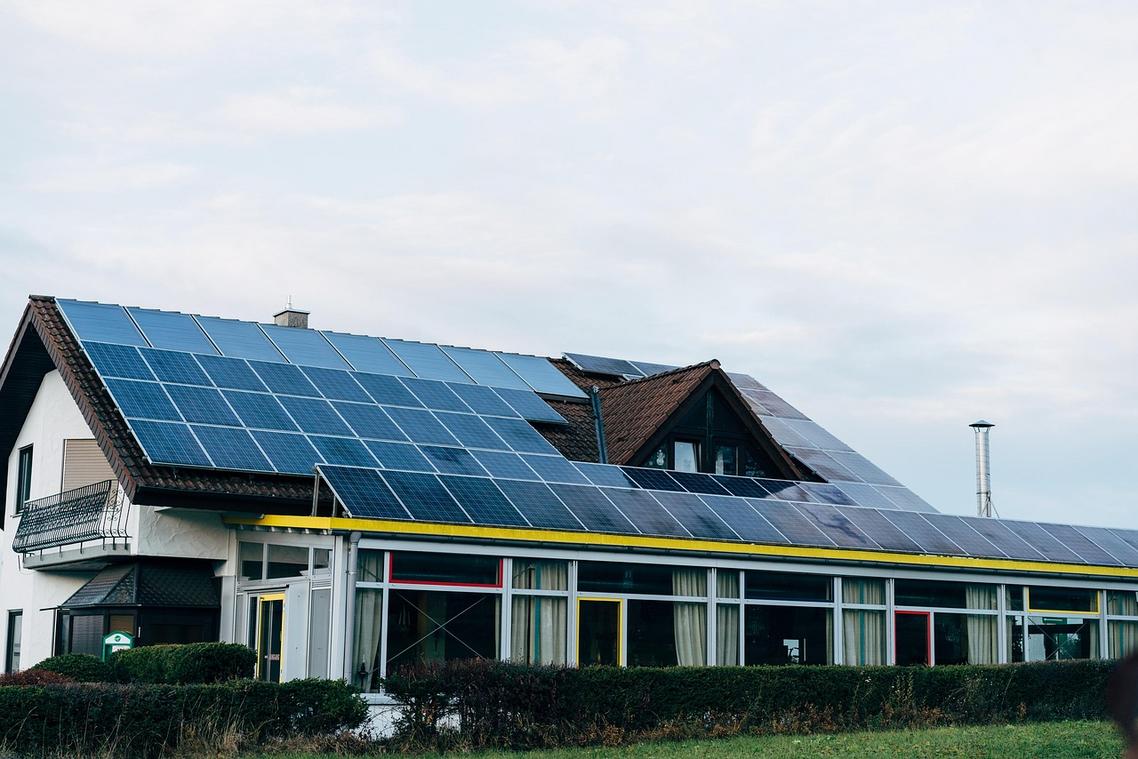
If you want lower utility bills without constantly adjusting switches and thermostats (because who has time for that?), smart automation can do the heavy lifting.
Smart Thermostats
Modern smart thermostats go far beyond basic scheduling. They use learning algorithms—software that studies your behavior patterns—to adjust heating and cooling automatically. For example, if you lower the temperature every night at 10 p.m., the system starts doing it for you. Add geofencing (a location-based trigger using your phone’s GPS), and your HVAC system powers down when you leave home and restarts before you return. Many models also integrate with utility demand-response programs, briefly reducing energy use during peak grid hours in exchange for rebates (U.S. Department of Energy). Pro tip: Check with your local utility for enrollment credits before buying.
Intelligent Lighting Systems
Smart bulbs, dimmers, and motion sensors let you create lighting “scenes” that balance comfort and efficiency. For instance:
- Motion sensors in hallways prevent lights from staying on all night
- Dimmers reduce wattage while maintaining ambiance
- Scheduled scenes adjust brightness based on time of day
According to the U.S. DOE, LED lighting uses at least 75% less energy than incandescent bulbs.
Energy Monitoring Devices
Whole-home monitors like Sense or Span provide real-time energy tracking, identifying which appliances draw the most power. This data helps you pinpoint “energy hogs” (often old HVAC units or dryers) so upgrades are strategic, not guesswork.
Smart Blinds and Window Treatments
Automated blinds track sunlight throughout the day, lowering during hot afternoons to reduce cooling loads and opening in winter to capture passive heat. Combined, these tools create practical, energy-efficient living solutions that quietly cut costs year-round.
High-Impact Investments: Upgrades That Pay for Themselves
Not all home upgrades are created equal. Some look impressive on Instagram. Others quietly cut your utility bills for decades (the real MVP move). Let’s compare the options side by side so you can invest wisely.
The Insulation Imperative
Spray Foam vs. Fiberglass vs. Cellulose
- Spray foam: Highest air-sealing performance, higher upfront cost, excellent for attics and crawlspaces.
- Fiberglass: Budget-friendly, widely available, but less effective at stopping air leaks.
- Cellulose: Eco-friendly, solid thermal performance, great for retrofits.
According to the U.S. Department of Energy, proper insulation can reduce heating and cooling costs by up to 15%. The attic is usually priority #1 because heat rises. Crawlspaces come next, especially in humid climates.
Windows to a Greener World
When comparing windows, focus on U-factor (how well a window prevents heat loss) and SHGC—Solar Heat Gain Coefficient (how much solar heat it lets in). Lower U-factor = better insulation. Lower SHGC = less unwanted heat.
Double-pane vs. triple-pane? Triple offers better efficiency, but in mild climates, double-pane often delivers the best cost-to-benefit ratio.
ENERGY STAR Appliances
Look for ENERGY STAR certification, which indicates products meet strict efficiency guidelines set by the EPA. Efficient refrigerators, washers, and HVAC systems typically use 10–50% less energy (EPA).
To calculate payback: divide the price difference by annual energy savings. If the upgrade costs $600 more and saves $150/year, payback is four years.
Heat Pump Water Heaters
Traditional tanks generate heat. Heat pump water heaters move heat—making them up to 2–3 times more efficient (DOE). Higher upfront cost, yes. Lower long-term operating cost? Absolutely.
If you’re exploring broader energy-efficient living solutions, check out these expert insights on modern lifestyle upgrades for homes.
Some argue upgrades take too long to pay off. Fair. But rising energy costs shorten that timeline (and comfort improvements start immediately). Pro tip: prioritize upgrades with the fastest payback first.
Efficiency as a lifestyle means turning small actions into automatic habits. The “Off” routine is simply a shared checklist—lights off, screens unplugged, power strips switched—completed whenever you leave a room. (Think of it as brushing your teeth, but for electricity.)
Mindful consumption sounds abstract, but it just means seeing what you have. An organized fridge reduces door-open time and food waste, lowering hidden energy costs.
Seasonal adjustments are minor setting changes:
- Reverse ceiling fans in winter.
- Raise thermostats before vacations.
These steps support energy-efficient living solutions without complicated upgrades. Small routines create measurable savings over time each year.
Building Your Efficient Future, One Step at a Time
You now have a complete toolkit of sustainable solutions, from free habit changes to high-impact smart home upgrades.
Still worried about rising bills and your environmental footprint?
They do not have to define your future.
By layering strategies, you create a compounding effect of savings and efficiency.
Start small:
- Switch to LED bulbs.
- Seal drafty windows.
These energy-efficient living solutions stack up over time.
Have you ever wondered what one quick win could change this week?
Choose one and act today.
Momentum starts with a single step.
Ready?
Begin.
Right now.
Create a Home That Works for You
You came here looking for practical ways to simplify your space, improve your routines, and make your home feel more aligned with your lifestyle. Now you have the tools to declutter with intention, build wellness habits into your day, integrate smart technology seamlessly, and adopt energy-efficient living solutions that lower costs while increasing comfort.
The real frustration isn’t a messy drawer or a forgotten routine — it’s the constant feeling that your home is working against you instead of for you. When your space feels chaotic or inefficient, your energy, focus, and peace of mind suffer.
The good news? You don’t need a full renovation to fix it. Start small. Choose one system to organize, one routine to refine, or one smart upgrade to implement this week. Consistent, intentional changes create lasting transformation.
If you’re ready to stop feeling overwhelmed and start living in a home that supports your goals, explore more proven tips and step-by-step strategies designed to make modern living simpler. Join thousands who are already upgrading their spaces with practical, results-driven ideas — and take the first step today.
 Valyssa Esthova writes the kind of wellness and home living routines content that people actually send to each other. Not because it's flashy or controversial, but because it's the sort of thing where you read it and immediately think of three people who need to see it. Valyssa has a talent for identifying the questions that a lot of people have but haven't quite figured out how to articulate yet — and then answering them properly.
They covers a lot of ground: Wellness and Home Living Routines, Home Organization Hacks, Current Highlights, and plenty of adjacent territory that doesn't always get treated with the same seriousness. The consistency across all of it is a certain kind of respect for the reader. Valyssa doesn't assume people are stupid, and they doesn't assume they know everything either. They writes for someone who is genuinely trying to figure something out — because that's usually who's actually reading. That assumption shapes everything from how they structures an explanation to how much background they includes before getting to the point.
Beyond the practical stuff, there's something in Valyssa's writing that reflects a real investment in the subject — not performed enthusiasm, but the kind of sustained interest that produces insight over time. They has been paying attention to wellness and home living routines long enough that they notices things a more casual observer would miss. That depth shows up in the work in ways that are hard to fake.
Valyssa Esthova writes the kind of wellness and home living routines content that people actually send to each other. Not because it's flashy or controversial, but because it's the sort of thing where you read it and immediately think of three people who need to see it. Valyssa has a talent for identifying the questions that a lot of people have but haven't quite figured out how to articulate yet — and then answering them properly.
They covers a lot of ground: Wellness and Home Living Routines, Home Organization Hacks, Current Highlights, and plenty of adjacent territory that doesn't always get treated with the same seriousness. The consistency across all of it is a certain kind of respect for the reader. Valyssa doesn't assume people are stupid, and they doesn't assume they know everything either. They writes for someone who is genuinely trying to figure something out — because that's usually who's actually reading. That assumption shapes everything from how they structures an explanation to how much background they includes before getting to the point.
Beyond the practical stuff, there's something in Valyssa's writing that reflects a real investment in the subject — not performed enthusiasm, but the kind of sustained interest that produces insight over time. They has been paying attention to wellness and home living routines long enough that they notices things a more casual observer would miss. That depth shows up in the work in ways that are hard to fake.