
Keeping your home running smoothly isn’t just about aesthetics — it’s about protecting your investment, improving daily comfort, and preventing costly repairs before they happen. If you’re searching for clear, practical guidance on home maintenance essentials, you’re likely looking for straightforward steps that actually make a difference. This article is designed to give you exactly that: actionable strategies, smart upkeep routines, and modern solutions that simplify maintenance without overwhelming your schedule.
We’ve drawn on established industry best practices, insights from home improvement professionals, and proven organization methods to ensure the information you’re reading is reliable and effective. Instead of vague advice, you’ll find focused recommendations that help you stay proactive, extend the life of your home systems, and create a healthier living environment.
Whether you’re maintaining a new property or refreshing a long‑lived space, this guide will help you prioritize what matters most and take confident, practical action.
Your home isn’t just walls and wiring; it’s your biggest investment (and your daily sanctuary). In my opinion, treating upkeep as a last-minute scramble is like ignoring oil changes on your car—eventually, it catches up. Instead, think proactive.
However, many homeowners wait for leaks or breakdowns. As a result, costs spike and stress follows.
Here’s a simple framework to stay ahead:
- Schedule seasonal inspections
- Budget monthly for repairs
- Track small issues before they grow
By focusing on home maintenance essentials, you protect value and peace of mind. Ultimately, prevention beats panic every time. It truly pays off.
The Core Systems: HVAC & Plumbing Health
Your HVAC system is the lungs of your home. It pulls air in, filters it, and circulates it back to you. That’s why changing air filters every 1–3 months isn’t optional—it’s foundational. A clogged filter restricts airflow, forcing the system to work harder and use more energy. According to the U.S. Department of Energy, replacing a dirty filter can lower an air conditioner’s energy consumption by 5–15%. Cleaner air also reduces dust, allergens, and respiratory irritants (your sinuses will notice).
However, some homeowners argue filters “still look fine.” The problem? Particles build up before they’re visible. In other words, waiting for obvious dirt is like waiting for your car to break down before changing the oil.
Equally important is an annual professional check-up before peak heating or cooling seasons. A technician should inspect refrigerant levels, electrical connections, burners, heat exchangers, thermostat calibration, and condensate drains. Think of it as preventive care for your home maintenance essentials.
Meanwhile, plumbing vigilance prevents costly water damage. Check under sinks for slow leaks, locate your main water shut-off valve, and test your sump pump regularly. (Future-you will be grateful during the next heavy storm.)
Looking ahead—speculation, but informed—smart leak detectors and smart thermostats will likely become standard in homes. As adoption grows, automated monitoring may shift from luxury to baseline expectation, much like Wi-Fi did a decade ago. Pro tip: early adoption often means insurance discounts and long-term savings.
Your Home’s First Line of Defense: The Exterior
Your home’s exterior isn’t just about curb appeal—it’s your shield against water, wind, and costly surprises. I learned that the hard way after ignoring a small gutter clog that turned into a basement seepage issue (a mistake my wallet still remembers).
Gutters and Downspouts
Gutters direct rainwater away from your foundation. When clogged, water spills over and pools near the base of your home. Clean them twice a year—late spring and late fall:
- Use a sturdy ladder on level ground.
- Wear gloves and remove debris by hand.
- Flush with a garden hose to check flow.
- Ensure downspouts discharge at least 3–5 feet from the house.
Pro tip: Install gutter guards if nearby trees shed heavily.
Roof and Siding Inspection
You don’t need to climb up—inspect from the ground with binoculars. Look for missing shingles, cracked or warped siding, and damaged flashing (the thin metal sealing roof joints). I once dismissed a single loose shingle. Weeks later, WIND-driven rain proved me wrong.
Foundation and Drainage
The soil should slope away from your house. If water pools, regrade promptly. Check for small foundation cracks and seal them with masonry caulk. Tiny gaps become BIG problems.
Windows and Doors
Check for drafts using your hand or a lit incense stick. Seal leaks with weatherstripping or caulk to improve comfort and efficiency.
These simple checks are home maintenance essentials that prevent expensive lessons later.
Interior Safety and Appliance Longevity
Essential Safety Devices: Test vs. Assume
Smoke and carbon monoxide detectors fall into the “install and forget” category—at least in theory. In reality, that mindset is risky. Testing alarms monthly vs. assuming they work is the difference between prevention and panic. The National Fire Protection Association reports that working smoke alarms cut the risk of dying in a home fire by about 55% (NFPA). Set a calendar reminder to test monthly and replace batteries annually (pick a memorable date, like New Year’s Day). Hardwired system? Test it anyway. Electronics fail quietly.
Pro tip: Write the battery replacement date inside the cover with a marker.
Appliance Care: Quick Clean vs. Costly Repair
Refrigerator coils: Clean every 6–12 months. Dirty coils force the compressor to work harder, shortening its lifespan.
Dryer vent line: Clean it yearly. The U.S. Fire Administration links thousands of house fires annually to clogged dryer vents. Lint trap cleaning alone isn’t enough.
Coffee maker and dishwasher: Descale quarterly if you have hard water. Mineral buildup (limescale) reduces efficiency and heating performance.
Quick maintenance vs. early replacement? The math usually favors maintenance (your wallet will agree).
For guidance on the must have tools every household should own, keep a basic kit ready for these tasks.
Pest Prevention: Seal vs. Spray
Instead of chemical sprays, seal gaps around pipes and vents with steel wool and caulk. Block entry points first; repel second.
Organization Hack: Memory vs. System
Create a “Home Binder” or digital folder with manuals, warranties, and repair contacts. Organized records turn home maintenance essentials into a streamlined system—not a guessing game.
Creating a Smart Maintenance Routine
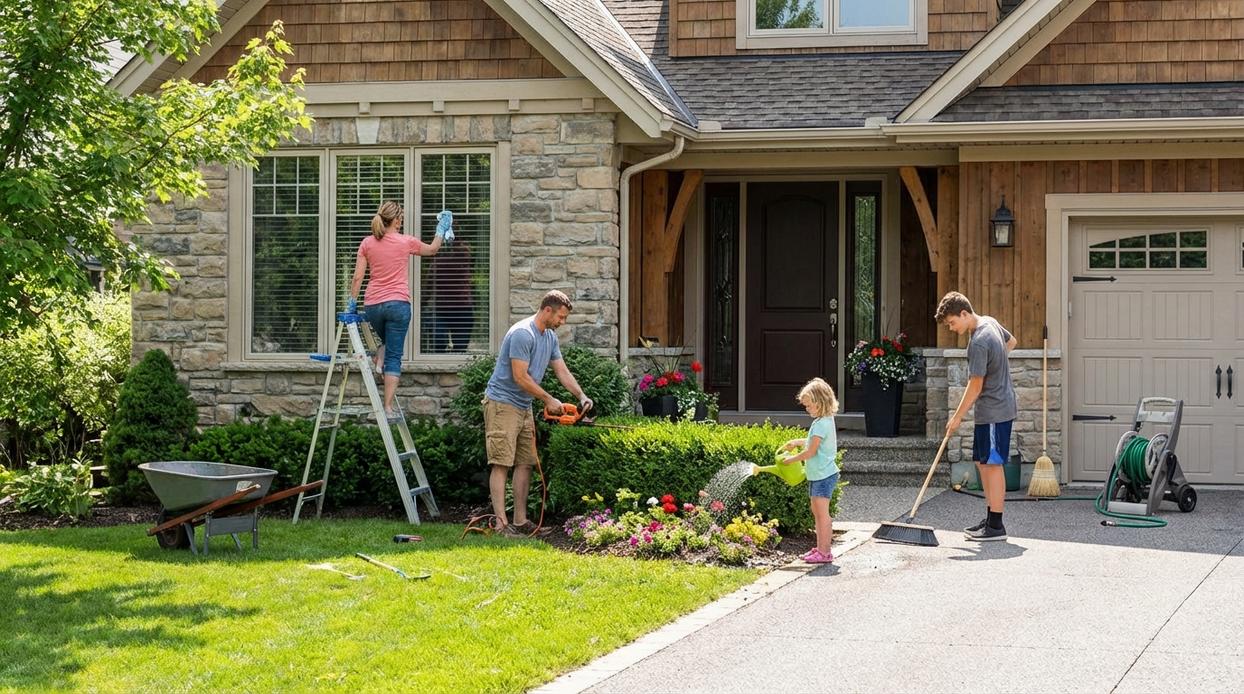
A smart routine starts with structure. Break tasks down by season: Spring Cleaning & Exterior Prep (gutters, siding, lawn tools) vs. Fall Winterization (seal drafts, service heating, drain hoses). Season-based planning vs. random to-do lists? The first keeps you proactive; the second leaves you reacting when something breaks.
Next, go digital. Calendar reminders work, but dedicated home maintenance apps track recurring jobs and send alerts automatically. Pen-and-paper vs. app notifications? Convenience usually wins (and fewer “I forgot” moments).
Try the One-Hour Weekend Rule: one small task every weekend. Sixty focused minutes beats a chaotic full-day overhaul—think of it as meal prep, but for your house.
DIY vs. Call a Pro Checklist:
- Requires permits?
- Involves electrical, gas, or structural work?
- Lacks tools or clear tutorials?
If yes, hire out. Some home maintenance essentials are simple; others demand expertise.
A well-maintained home is a peaceful home. I learned this the hard way after ignoring a tiny leak that turned into a ceiling repair. At first, I told myself it could wait; however, small delays grow into big, expensive problems. That mistake pushed me to build a proactive plan around core systems and the exterior—my nonnegotiable home maintenance essentials. As a result, the stress of surprise breakdowns gave way to calm confidence. More importantly, the house feels healthier, safer, and nicer to live in. So, start small: check your smoke detectors or clean a faucet aerator today, and build momentum.
To ensure your home remains not only well-maintained but also secure, consider how Integrating Security Cameras Into a Connected Home can complement your maintenance efforts and enhance your peace of mind.
Bring Your Home Back to Balance
You came here looking for practical ways to simplify your space, improve your routines, and make your home work for you—not against you. Now you have a clearer path forward.
When clutter builds up, systems fail, and small issues go unchecked, stress follows. That lingering to-do list in the back of your mind? It usually starts with the basics. Mastering home maintenance essentials and aligning them with smart organization and simple wellness habits is what turns chaos into calm.
The key is action. Start small. Create a weekly reset routine. Automate what you can with smart integrations. Tackle one high-impact area at a time so your progress compounds instead of overwhelms you.
If you’re ready to stop feeling behind in your own home, now’s the time to commit. Join thousands of homeowners who rely on our proven tips and practical systems to simplify their spaces. Explore more guides, implement one strategy today, and take control of your home for good.
 Susan Andersonickova has opinions about current highlights. Informed ones, backed by real experience — but opinions nonetheless, and they doesn't try to disguise them as neutral observation. They thinks a lot of what gets written about Current Highlights, Core Home Concepts and Essentials, Home Organization Hacks is either too cautious to be useful or too confident to be credible, and they's work tends to sit deliberately in the space between those two failure modes.
Reading Susan's pieces, you get the sense of someone who has thought about this stuff seriously and arrived at actual conclusions — not just collected a range of perspectives and declined to pick one. That can be uncomfortable when they lands on something you disagree with. It's also why the writing is worth engaging with. Susan isn't interested in telling people what they want to hear. They is interested in telling them what they actually thinks, with enough reasoning behind it that you can push back if you want to. That kind of intellectual honesty is rarer than it should be.
What Susan is best at is the moment when a familiar topic reveals something unexpected — when the conventional wisdom turns out to be slightly off, or when a small shift in framing changes everything. They finds those moments consistently, which is why they's work tends to generate real discussion rather than just passive agreement.
Susan Andersonickova has opinions about current highlights. Informed ones, backed by real experience — but opinions nonetheless, and they doesn't try to disguise them as neutral observation. They thinks a lot of what gets written about Current Highlights, Core Home Concepts and Essentials, Home Organization Hacks is either too cautious to be useful or too confident to be credible, and they's work tends to sit deliberately in the space between those two failure modes.
Reading Susan's pieces, you get the sense of someone who has thought about this stuff seriously and arrived at actual conclusions — not just collected a range of perspectives and declined to pick one. That can be uncomfortable when they lands on something you disagree with. It's also why the writing is worth engaging with. Susan isn't interested in telling people what they want to hear. They is interested in telling them what they actually thinks, with enough reasoning behind it that you can push back if you want to. That kind of intellectual honesty is rarer than it should be.
What Susan is best at is the moment when a familiar topic reveals something unexpected — when the conventional wisdom turns out to be slightly off, or when a small shift in framing changes everything. They finds those moments consistently, which is why they's work tends to generate real discussion rather than just passive agreement.