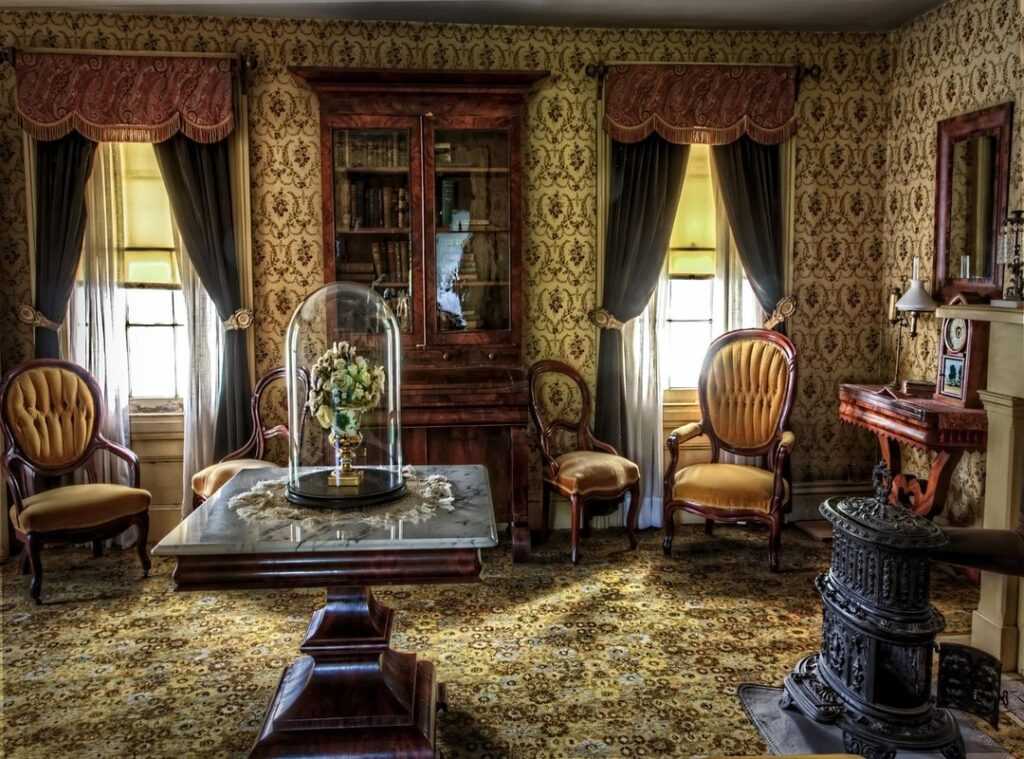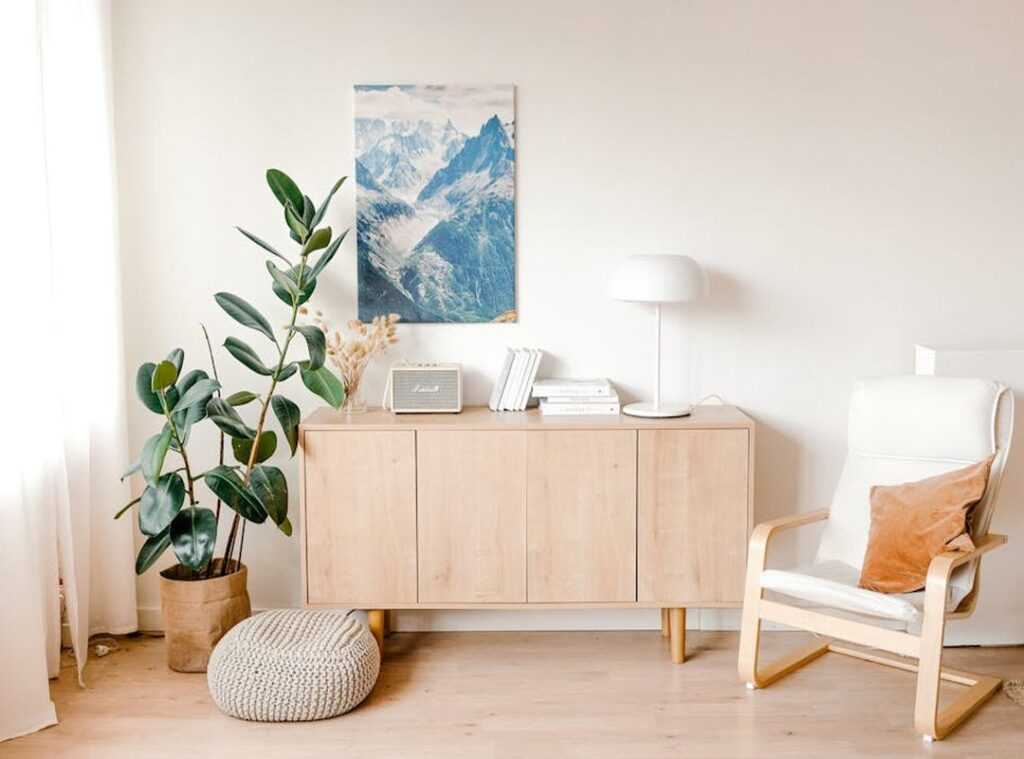

Minimalism is often mistaken for stark white walls, empty rooms, and a life stripped of personality. But in reality, it was never meant to feel cold or restrictive. Without understanding its roots, minimalism can seem like just another passing trend—one that demands sacrifice instead of offering freedom. This article explores the rich history behind the movement, from its artistic foundations to its modern minimalism evolution into serene, functional, wellness-focused homes. By understanding the ‘why’ behind minimalist principles, you’ll be able to apply them with intention, creating spaces that feel both purposeful and deeply personal.
The Philosophical Roots: Where “Less is More” Began
German Influence – The Bauhaus School
As minimalism continues to reshape our living spaces this year, it’s interesting to consider how these design shifts also influence our approach to technology, making it the perfect time to explore a Beginner’s Guide to Setting Up a Smart Home System that complements a clean, uncluttered aesthetic.
The Bauhaus School in early 20th-century Germany championed “form follows function,” the idea that an object’s shape should reflect its purpose, not decorative trends. In practical terms, a chair should first support the body comfortably—ornamentation was secondary (or unnecessary). This rejection of excess responded to industrialization and mass production. Some critics argue Bauhaus minimalism feels cold or impersonal. That’s fair. Not every space thrives on steel and straight lines. Still, stripping design to its structural truth laid groundwork for modern minimalism evolution.
Japanese Influence – Zen and Ma
In Japan, the concept of Ma—the meaningful pause or negative space—approaches emptiness differently. Rather than fearing blank walls, Ma treats space as active and alive. Western design has often equated fullness with value (more furniture, more art, more proof of life). But Ma suggests restraint creates clarity. I’ll admit scholars debate how directly Zen shaped modern interiors—but its spatial awareness is undeniable.
Wabi-Sabi
Wabi-sabi embraces imperfection and natural aging—think raw wood or hand-thrown pottery. It softens minimalism’s sterility (because life isn’t showroom-perfect).
The Synthesis
Function met space. Bauhaus efficiency merged with Japanese spatial consciousness, forming the backbone of today’s minimal homes—and even influencing ideas behind energy efficiency breakthroughs transforming residential living. Sometimes, less truly does more.
Mid-Century Modern: Minimalism for Everyday Life

After World War II, optimism wasn’t just cultural—it was architectural. Advances in mass production and new materials like molded plywood and fiberglass made good design affordable. Minimalism, once associated with avant-garde spaces, moved into suburban living rooms. Clean forms and practical layouts reflected a belief that the future would be brighter (and better organized).
Key Characteristics
Mid-Century Modern is defined by clean lines, gentle organic curves, and an honest use of materials—meaning wood looks like wood, leather looks like leather, and nothing pretends to be something else. Large windows invited nature in, while low-slung furniture kept rooms feeling open rather than crowded.
Some critics argue minimalism can feel cold or impersonal. Fair point. But this era softened the edges. Warm teak, walnut finishes, and textured upholstery proved simplicity didn’t mean sterility.
Function Meets Family
Designers embraced practicality: open floor plans for gathering, modular storage for clutter control, durable fabrics for real life. It was style without the “don’t touch that” energy.
Iconic pieces like the Eames Lounge Chair embody this balance—sculptural yet comfortable, refined yet inviting.
If you’re wondering what’s next, consider how this foundation influences modern minimalism evolution today: smart layouts, multifunctional furniture, and spaces that support both wellness and daily living.
The 21st Century Shift: Wellness, Sustainability, and Smart Homes
The era of cold, gallery-white interiors is fading. In its place, warm minimalism wraps rooms in softness you can almost feel under your fingertips. Think nubby bouclé catching the light, linen curtains swaying in a quiet draft, and stone countertops cool against your palm on a slow morning. The palette stays neutral—but layered. Cream over sand over clay. The effect isn’t sparse; it’s restorative (like your home finally exhaling).
Some critics argue minimalism should stay stark and disciplined. They worry comfort dilutes its purity. But today’s modern minimalism evolution recognizes that a home isn’t a museum—it’s a nervous system reset.
Biophilic design deepens this shift. Essentialism now includes our bond with nature: sunlight spilling across wooden floors, the faint earthy scent of potting soil, the soft rustle of leaves from a fiddle-leaf fig in the corner. Sustainable materials—bamboo, reclaimed wood, low-VOC paints—aren’t trends; they’re tactile reminders that spaces can breathe.
Digital decluttering extends the philosophy. Smart lighting replaces banks of switches. One discreet hub replaces tangled cords. Fewer remotes means fewer coffee-table collisions.
- A well-programmed smart routine can dim lights, lower shades, and soften music in one quiet command.
Skeptics say smart homes add complexity. And they can—if poorly integrated. Used intentionally, though, they dissolve background noise.
Then there’s the KonMari effect. Keeping only what “sparks joy” shifts minimalism from deprivation to intention. Instead of empty shelves for the sake of aesthetics, you curate objects that glow—visually and emotionally—when the afternoon light hits just right.
How to Apply Evolved Minimalist Principles Today
Evolved minimalism isn’t about owning less just to say you do. It’s about owning better.
Focus on Quality, Not Quantity
Choose pieces built to last. Solid wood over particleboard. Linen over polyester. A well-made sofa can last 10–15 years (Architectural Digest), while cheaper versions sag within three. Yes, quality costs more upfront—but replacing “bargains” every two years costs MORE.
Pro tip: If it feels flimsy in the store, it won’t feel sturdier at home.
Master Negative Space
Negative space means intentionally empty areas that give your eyes a break. Keep 2–3 feet between major furniture pieces. Avoid filling every wall (this isn’t a gallery—unless it is). Calm comes from restraint.
Incorporate Natural Textures
Add warmth with:
- A wool throw
- A stone tray
- A wood coffee table
- One leafy plant
Texture prevents minimalism from feeling cold.
Build a Thoughtful Color Palette
Stick to 3–4 nature-inspired tones: warm white, soft taupe, sage green, muted clay. Repeat them consistently. Cohesion creates SERENITY—and your space will finally breathe.
Crafting a Home That Serves You
The journey of modern minimalism evolution has transformed a once rigid design movement into a flexible philosophy for intentional living. What began as stark simplicity has become a deeply personal approach—one that adapts to your lifestyle, values, and daily rhythms.
Today, minimalism isn’t about owning less for the sake of it. It’s about creating space for more peace, more clarity, and more of what truly matters. Your home should support your wellness, not compete for your attention.
Start small. Clear one surface. Simplify one routine. Let your home become a tool that works for you, not against you.
 John Powellorins writes the kind of smart home integrations content that people actually send to each other. Not because it's flashy or controversial, but because it's the sort of thing where you read it and immediately think of three people who need to see it. John has a talent for identifying the questions that a lot of people have but haven't quite figured out how to articulate yet — and then answering them properly.
They covers a lot of ground: Smart Home Integrations, Browse and Learn, Home Organization Hacks, and plenty of adjacent territory that doesn't always get treated with the same seriousness. The consistency across all of it is a certain kind of respect for the reader. John doesn't assume people are stupid, and they doesn't assume they know everything either. They writes for someone who is genuinely trying to figure something out — because that's usually who's actually reading. That assumption shapes everything from how they structures an explanation to how much background they includes before getting to the point.
Beyond the practical stuff, there's something in John's writing that reflects a real investment in the subject — not performed enthusiasm, but the kind of sustained interest that produces insight over time. They has been paying attention to smart home integrations long enough that they notices things a more casual observer would miss. That depth shows up in the work in ways that are hard to fake.
John Powellorins writes the kind of smart home integrations content that people actually send to each other. Not because it's flashy or controversial, but because it's the sort of thing where you read it and immediately think of three people who need to see it. John has a talent for identifying the questions that a lot of people have but haven't quite figured out how to articulate yet — and then answering them properly.
They covers a lot of ground: Smart Home Integrations, Browse and Learn, Home Organization Hacks, and plenty of adjacent territory that doesn't always get treated with the same seriousness. The consistency across all of it is a certain kind of respect for the reader. John doesn't assume people are stupid, and they doesn't assume they know everything either. They writes for someone who is genuinely trying to figure something out — because that's usually who's actually reading. That assumption shapes everything from how they structures an explanation to how much background they includes before getting to the point.
Beyond the practical stuff, there's something in John's writing that reflects a real investment in the subject — not performed enthusiasm, but the kind of sustained interest that produces insight over time. They has been paying attention to smart home integrations long enough that they notices things a more casual observer would miss. That depth shows up in the work in ways that are hard to fake.