
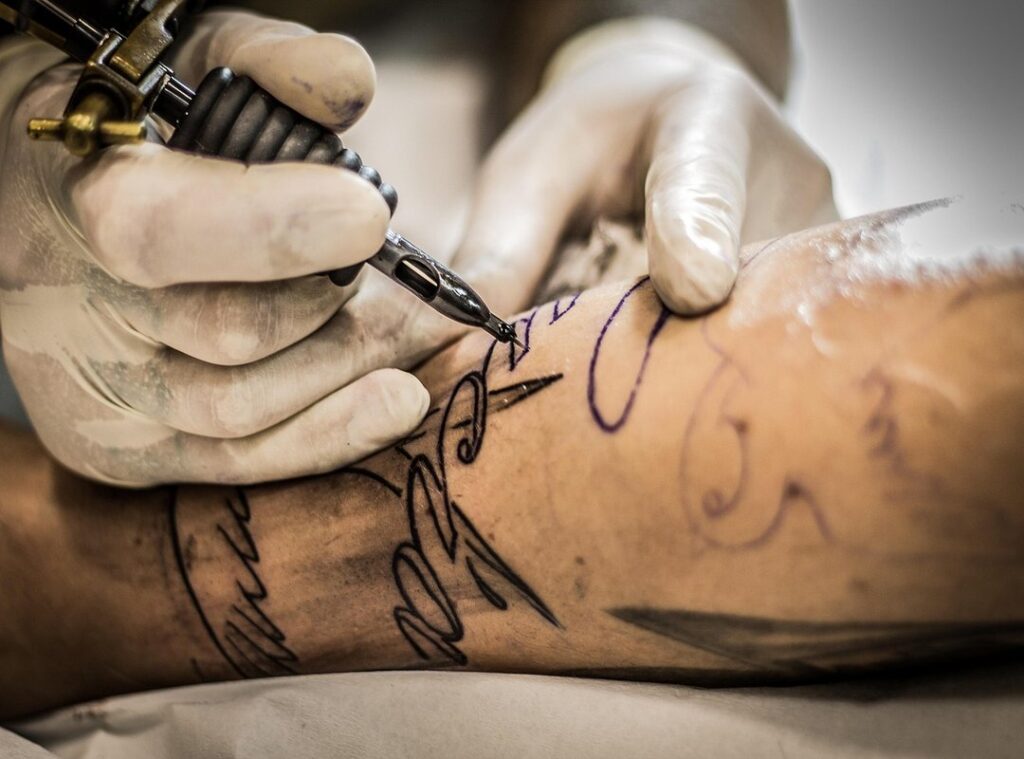
When you see a polynesische tattoo onderarm, it’s hard to look away. The intricate patterns and bold lines make a statement. They’re not just pretty; they tell a story.
This article is for anyone thinking about getting one. You’ll learn about the deep cultural meanings, common symbols, and how to design a piece that reflects your personal journey. A Polynesian tattoo is more than skin deep.
It’s a commitment to a rich tradition and a piece of art with a soul.
More Than Ink: The Cultural Heart of Polynesian Tattoos
In Polynesian culture, tattoos, or tatau, are not just for show. They’re a sacred practice that tells a person’s life story.
What Do These Tattoos Signify?
- Genealogy and family lineage
- Social status and rank
- Tribal affiliation and heritage
- Personal achievements and mana (spiritual power)
Each tattoo is a visual language, like a personal coat of arms worn on the skin. It’s a way to carry your history and identity with you.
Polynesian tattoos come in various regional styles, each with unique symbols and practices. For example, Samoan, Maori, and Marquesan tattoos all have distinct designs and meanings. A polynesische tattoo onderarm can be a beautiful and meaningful choice, but it’s crucial to understand its significance.
Respect and understanding are key. Don’t just pick a design from a catalog. Take the time to learn about the symbols and their meanings.
This way, you honor the tradition and make the tattoo truly personal and significant.
By embracing the cultural depth, you gain a deeper connection to the art and the people behind it.
Decoding the Symbols: Common Elements for a Forearm Design
When it comes to polynesische tattoo onderarm, choosing the right symbols can make all the difference. Here’s what you need to know.
Enata symbols, or human figures, are a great start. They represent relationships, family, and community. Perfect if you want to honor those close to you.
Nifo Mano, or shark teeth, is another powerful symbol. It stands for protection, strength, and guidance. If you’re looking for something that embodies resilience, this is it.
The Honu, or sea turtle, is a classic choice. It signifies family, longevity, wellness, and navigation. A meaningful option if you value these aspects in your life.
Spearheads and ocean waves are also popular. Spearheads symbolize courage and the warrior spirit. Ocean waves represent the journey of life, with its ups and downs.
Combining these symbols into a cohesive design is where the magic happens. An experienced artist can create a unique narrative around your arm. Each symbol tells a part of your story, making the tattoo deeply personal.
Pro Tip: Discuss your values and life experiences with your artist. This helps them craft a design that truly reflects who you are.
Designing Your Forearm Piece: Placement, Flow, and Layout

The forearm is a fantastic spot for a Polynesian tattoo. It’s visible and complements the body’s natural lines.
Why do I love this location? Simple. It’s a canvas that moves with you, making every design feel alive. polynesische tattoo onderarm
Visibility is key. People can see it, and you can show it off easily. Plus, it’s a great conversation starter.
Now, let’s talk about flow. A skilled artist will design the tattoo to wrap around the muscles of your forearm. This makes it look dynamic and natural, like it was meant to be there all along.
Think about how the design will move with your arm. You want it to look good from all angles, even when you’re flexing or reaching for something.
There are a few common layouts for the polynesische tattoo onderarm:
- Band: A single wrap-around design.
- Half-sleeve: From wrist to elbow.
- Inner or outer forearm focus: Depending on where you want the emphasis.
Each layout has its own charm. The band is classic and symmetrical. The half-sleeve gives you more space to tell a story.
And focusing on the inner or outer forearm can highlight specific muscles and movements.
Pro tip: Consider how the design will look in motion. Move your arm around and imagine the tattoo in place. Does it still look good?
Lastly, bring your personal stories and ideas to the artist. They can translate those into an authentic Polynesian-style design. This way, your tattoo isn’t just ink; it’s a part of you.
From Consultation to Aftercare: What to Expect
Finding a tattoo artist who specializes in and respects Polynesian tribal art is the first crucial step. You want someone who understands the cultural significance and can bring your vision to life.
During the consultation, you’ll discuss your story and the meanings you want to convey. This is where the magic happens. It’s not just about getting inked; it’s about creating a piece that resonates with your personal journey.
The polynesische tattoo onderarm process itself can be intense. The pain level for the forearm area is generally considered moderate. Everyone’s pain tolerance is different, so it’s good to go in with an open mind.
Aftercare is key. Keep the area clean and moisturized. Use a gentle, fragrance-free soap and apply a thin layer of ointment.
This ensures the tattoo heals properly and the lines stay crisp and bold for years.
By following these steps, you’ll end up with a stunning, meaningful tattoo that you can be proud of.
Wearing Your Story with Pride
A polynesische tattoo onderarm is a deeply personal and meaningful piece of art that connects you to a powerful tradition. Understanding the symbols and respecting the culture behind this art form is crucial.
Take your time in the design process. This ensures that your tattoo is not only visually stunning but also a true representation of your life’s journey.
Wearing such a story on your skin is an honor.
 Susan Andersonickova has opinions about current highlights. Informed ones, backed by real experience — but opinions nonetheless, and they doesn't try to disguise them as neutral observation. They thinks a lot of what gets written about Current Highlights, Core Home Concepts and Essentials, Home Organization Hacks is either too cautious to be useful or too confident to be credible, and they's work tends to sit deliberately in the space between those two failure modes.
Reading Susan's pieces, you get the sense of someone who has thought about this stuff seriously and arrived at actual conclusions — not just collected a range of perspectives and declined to pick one. That can be uncomfortable when they lands on something you disagree with. It's also why the writing is worth engaging with. Susan isn't interested in telling people what they want to hear. They is interested in telling them what they actually thinks, with enough reasoning behind it that you can push back if you want to. That kind of intellectual honesty is rarer than it should be.
What Susan is best at is the moment when a familiar topic reveals something unexpected — when the conventional wisdom turns out to be slightly off, or when a small shift in framing changes everything. They finds those moments consistently, which is why they's work tends to generate real discussion rather than just passive agreement.
Susan Andersonickova has opinions about current highlights. Informed ones, backed by real experience — but opinions nonetheless, and they doesn't try to disguise them as neutral observation. They thinks a lot of what gets written about Current Highlights, Core Home Concepts and Essentials, Home Organization Hacks is either too cautious to be useful or too confident to be credible, and they's work tends to sit deliberately in the space between those two failure modes.
Reading Susan's pieces, you get the sense of someone who has thought about this stuff seriously and arrived at actual conclusions — not just collected a range of perspectives and declined to pick one. That can be uncomfortable when they lands on something you disagree with. It's also why the writing is worth engaging with. Susan isn't interested in telling people what they want to hear. They is interested in telling them what they actually thinks, with enough reasoning behind it that you can push back if you want to. That kind of intellectual honesty is rarer than it should be.
What Susan is best at is the moment when a familiar topic reveals something unexpected — when the conventional wisdom turns out to be slightly off, or when a small shift in framing changes everything. They finds those moments consistently, which is why they's work tends to generate real discussion rather than just passive agreement.